Author: Brian
-
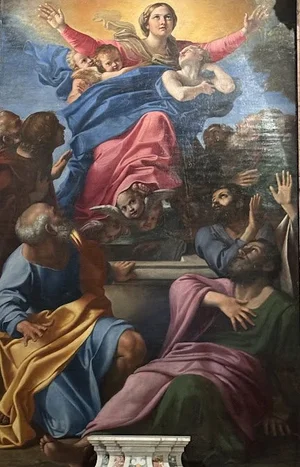
When Mary Started Rising: The Assumption in Baroque Art
Today the Catholic Church celebrates the Assumption of the Virgin Mary. One of the fascinating things about the Assumption of the Virgin Mary is that it became one of the most important subjects in Catholic art despite not being described in the Bible. The New Testament never recounts Mary’s final moments on earth or her…
-
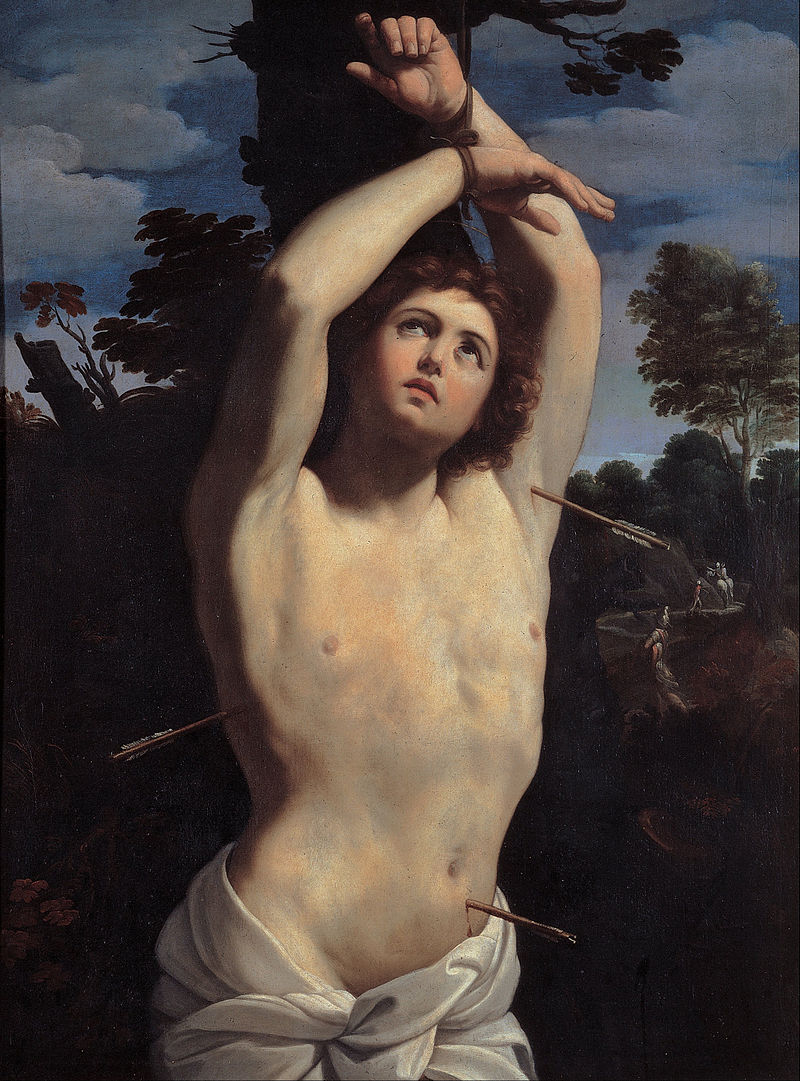
St. Sebastian
St. Sebastian (c.1615) Gudi Reni. Here we see one of Reni’s favorite subjects, St. Sebastian. It is thought that Cardinal Del Monte commissioned this painting. The extremely youthful saint is looking up to God knowingly, no hint of fear in his eyes despite the onslaught of arrows. This is just one of many Reni’s at…
-
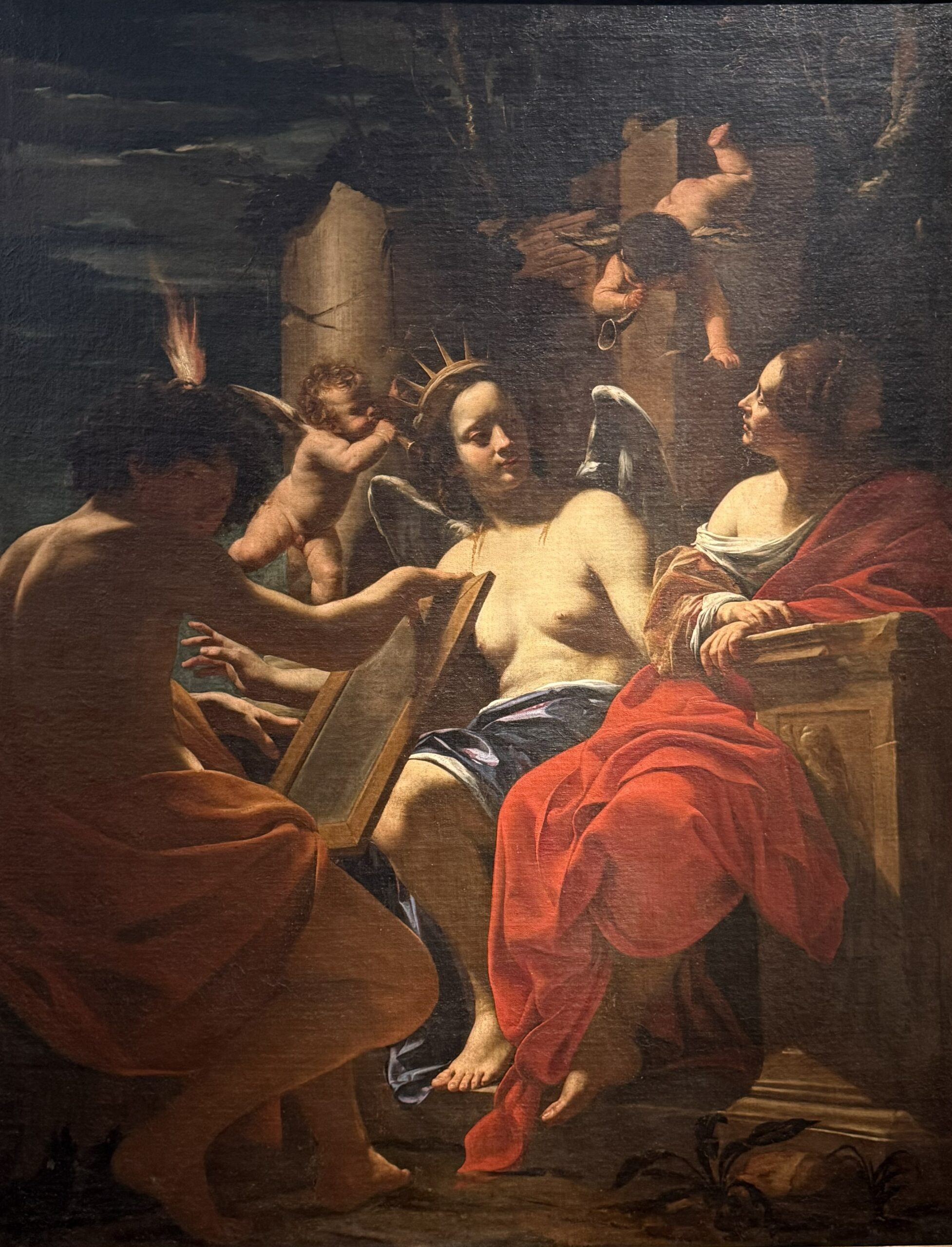
Allegory – Simone Vouet
“Allegory” Simone Vouet (c1640) In this rich allegory, Simon Vouet explores the power of artistic inspiration. Cherubs descend from above, a radiant winged figure embodies divine creativity, and the artist’s canvas reminds viewers that great art was believed to bridge the earthly and the celestial. Painted in the dramatic Baroque style Vouet brought from Rome…
-
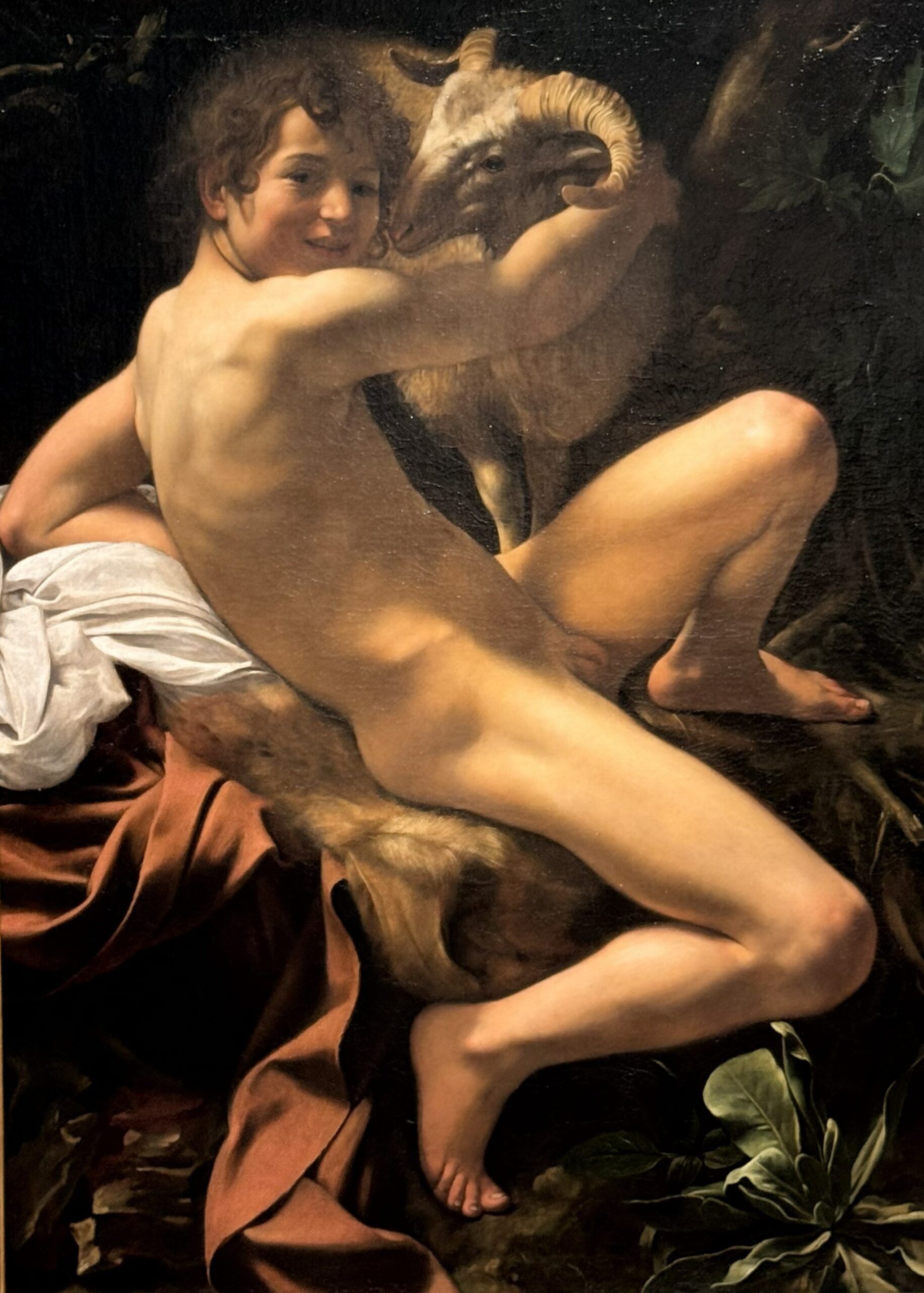
St. John the Baptist with a Ram
St. John the Baptist (1602) Caravaggio. In art, there have been many “interesting” depictions of St.JtB, but this is one of the most thought provoking. Why is he reclined like that? Where are is his clothes? Why is it a ram and not a lamb? Where are the other symbols we are used to seeing…
-
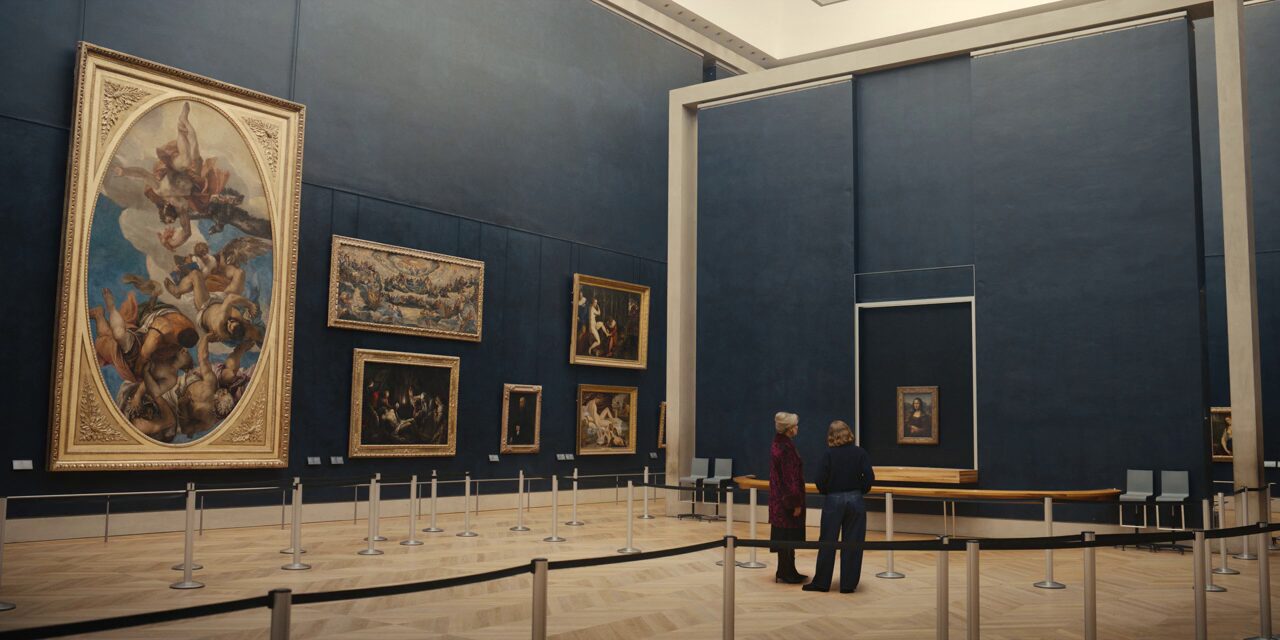
“Hacks” Takes on the Louvre
The HBOMAX series Hacks finale gave art lovers an unexpected gift: a visit to the Louvre that turns into a conversation about fame, legacy, and who gets remembered. As Deborah (Jean Smart) and Ava (Hannah Einbinder) make their way through the museum, Ava jokes that she doesn’t really get the obsession with the Mona Lisa;…
-
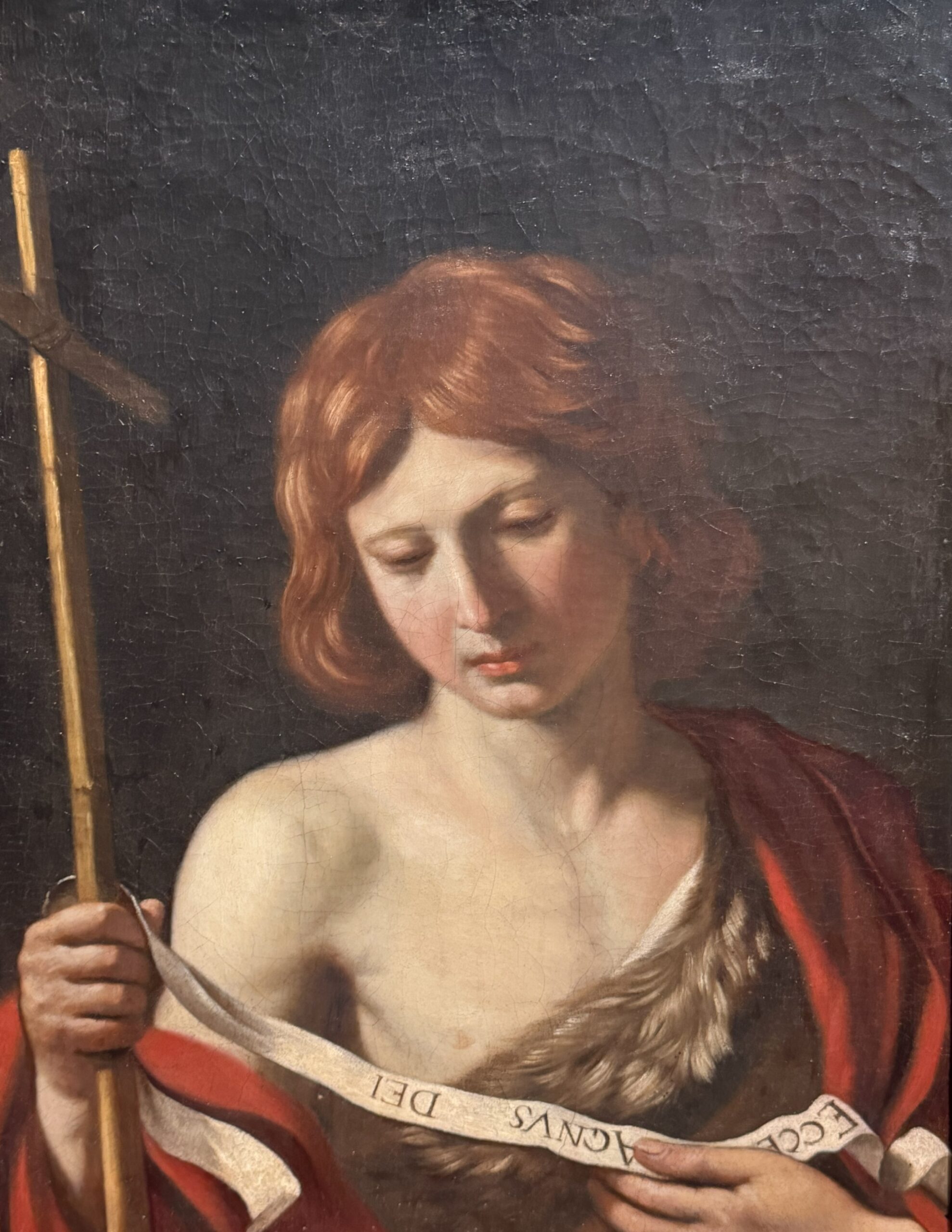
Saint John the Baptist
Guercino, (c.1645) Saint John the BaptistUnlike many Baroque depictions of Saint John the Baptist that emphasize the fiery prophet of the wilderness, Guercino presents a figure of striking quietness and introspection. The young saint lowers his gaze to the scroll inscribed Ecce Agnus Dei (“Behold the Lamb of God”), meditating on the very message he…
-
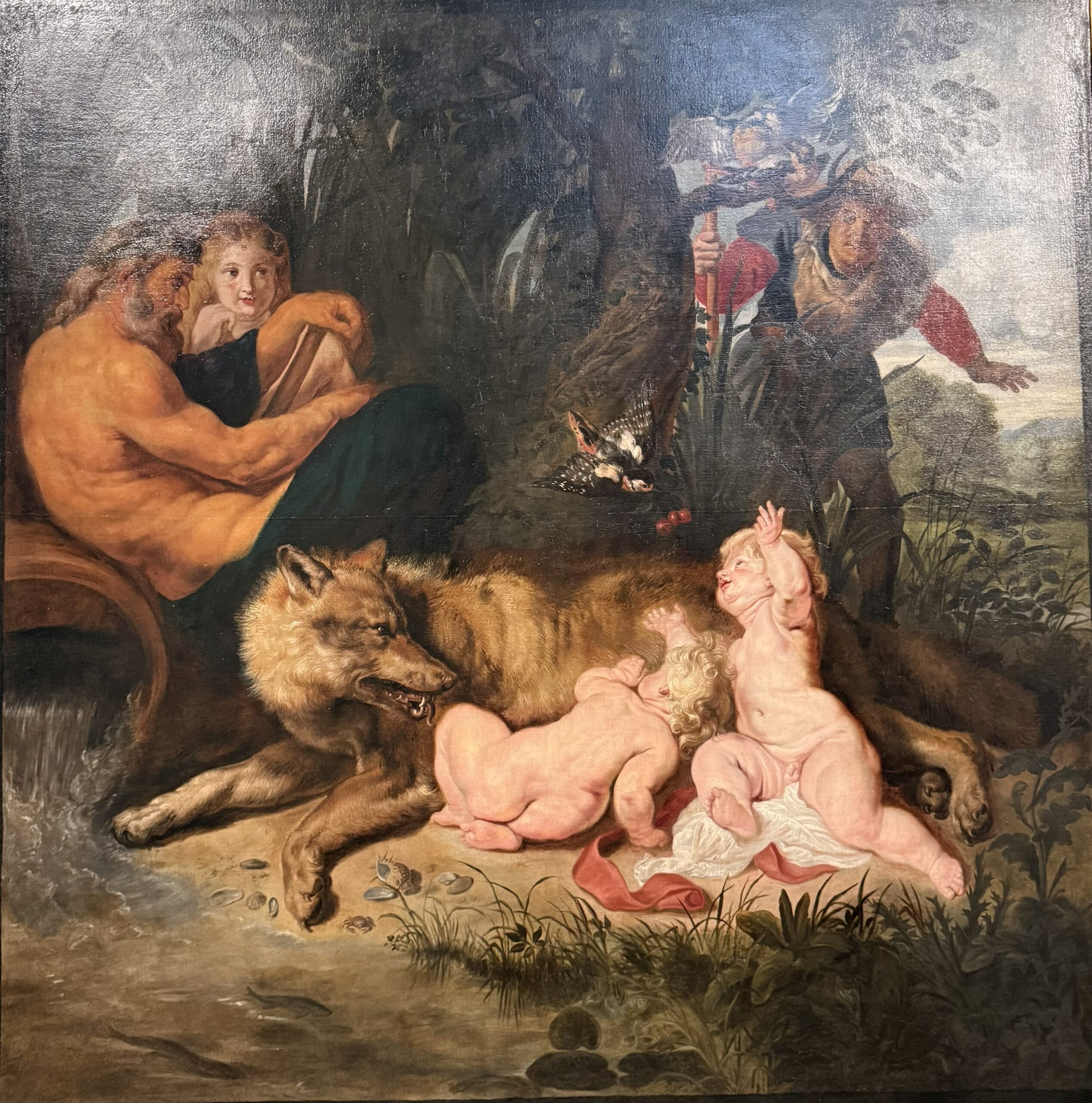
Finding of Romulus and Remus
Finding of Romulus and Remus (c.1612) Peter Paul Rubens.We always joke that there isn’t an art museum in the world that doesn’t have at least 1 Rubens and the Capitoline Museum is no exception. According to Roman legend, Rome was founded by the twin brothers Romulus and Remus in 753 BC. They were the sons…
-
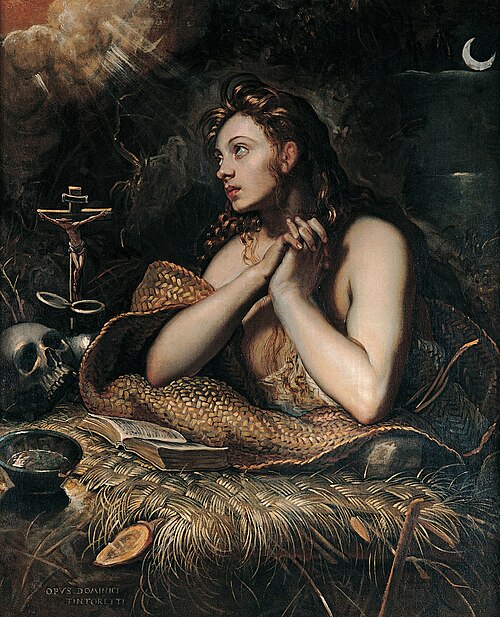
Penitent Magdalene
Penitent Magdalene (c. 1602) – Domenico TintorettoCreated by Domenico Tintoretto, the talented son of the renowned Venetian master Jacopo Tintoretto, the work presents a moving and deeply human interpretation of Mary Magdalene in penitence. Mary is shown alone in a cave, withdrawn from the distractions of the world and immersed in prayer, reflection, and repentance.…
-
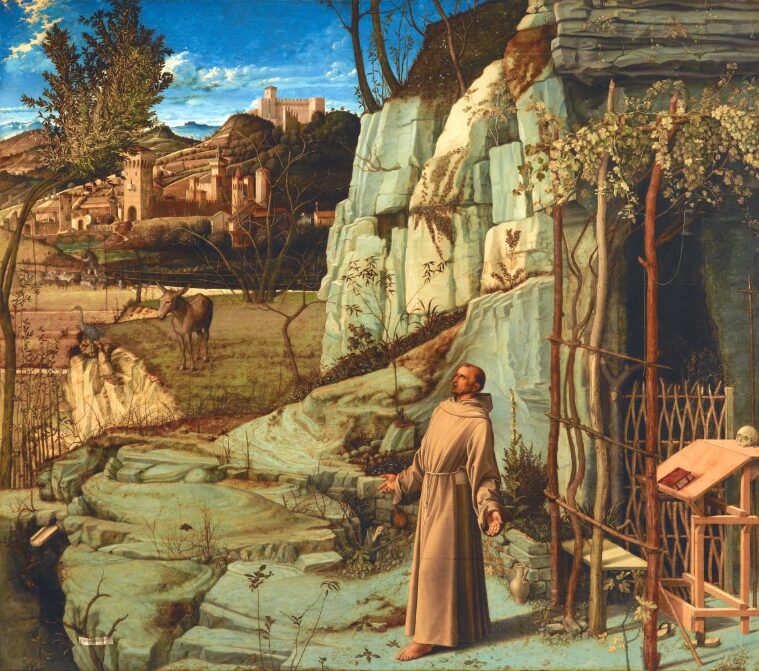
St. Francis in the Desert
Long before the drama and emotion of the Baroque, Giovanni Bellini’s St. Francis in the Desert laid the groundwork for a new way of seeing the sacred. Painted around 1480, Bellini fills the landscape with radiant light that seems to transform the entire natural world into a vehicle for divine revelation. St. Francis does not…