Category: Cleveland Museum of Art
-
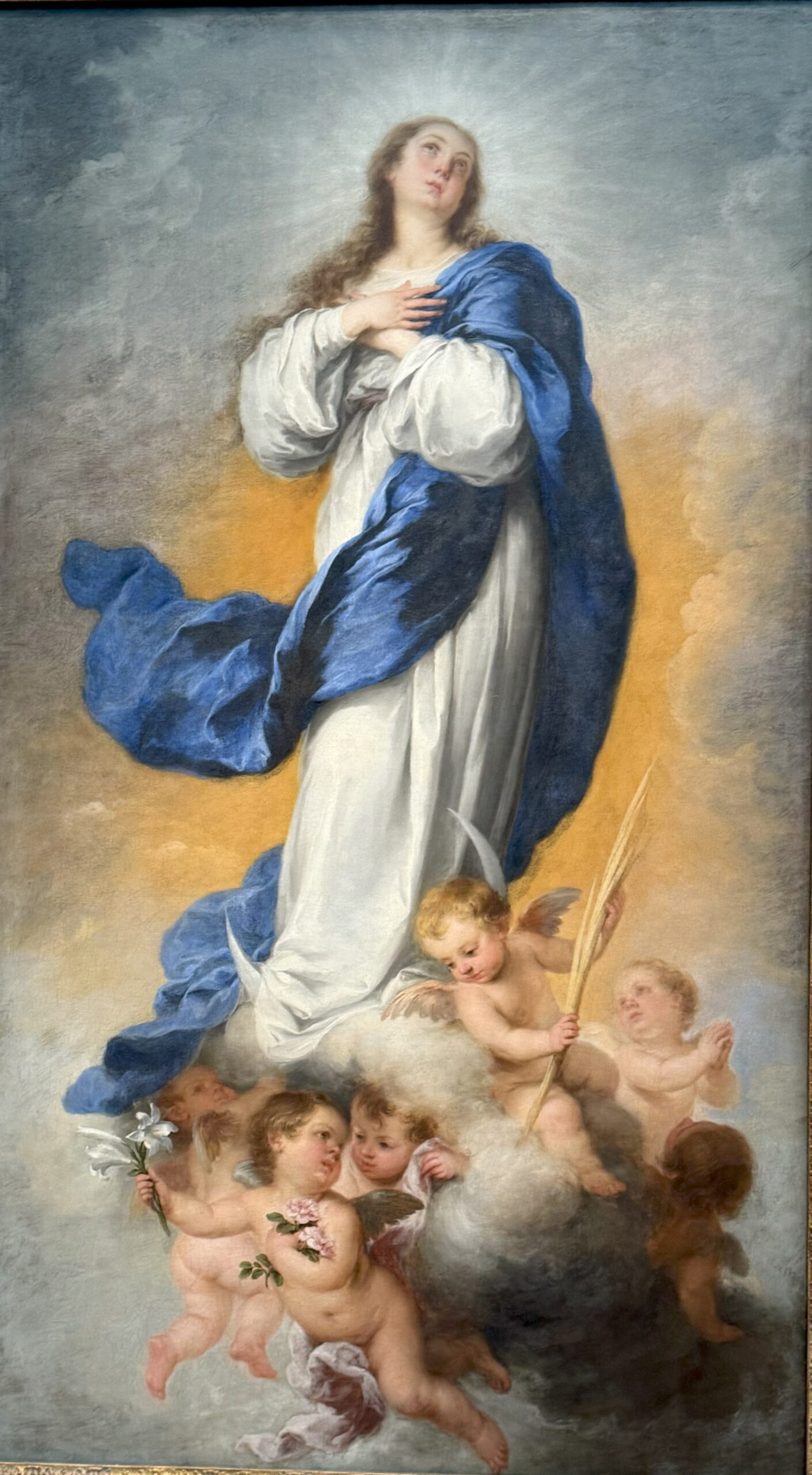
Immaculate Conception
On December 8th, the Catholic Church celebrates the Immaculate Conception of the Blessed Virgin Mary. Under her title of “Immaculate Conception”, Mary was named the Patroness of America in 1846 by the US Bishops. “Immaculate Conception” (c.1680) Murillo skillfully combines symbols from both the Immaculate Conception and the Assumption to convey Mary’s purity and heavenly…
-
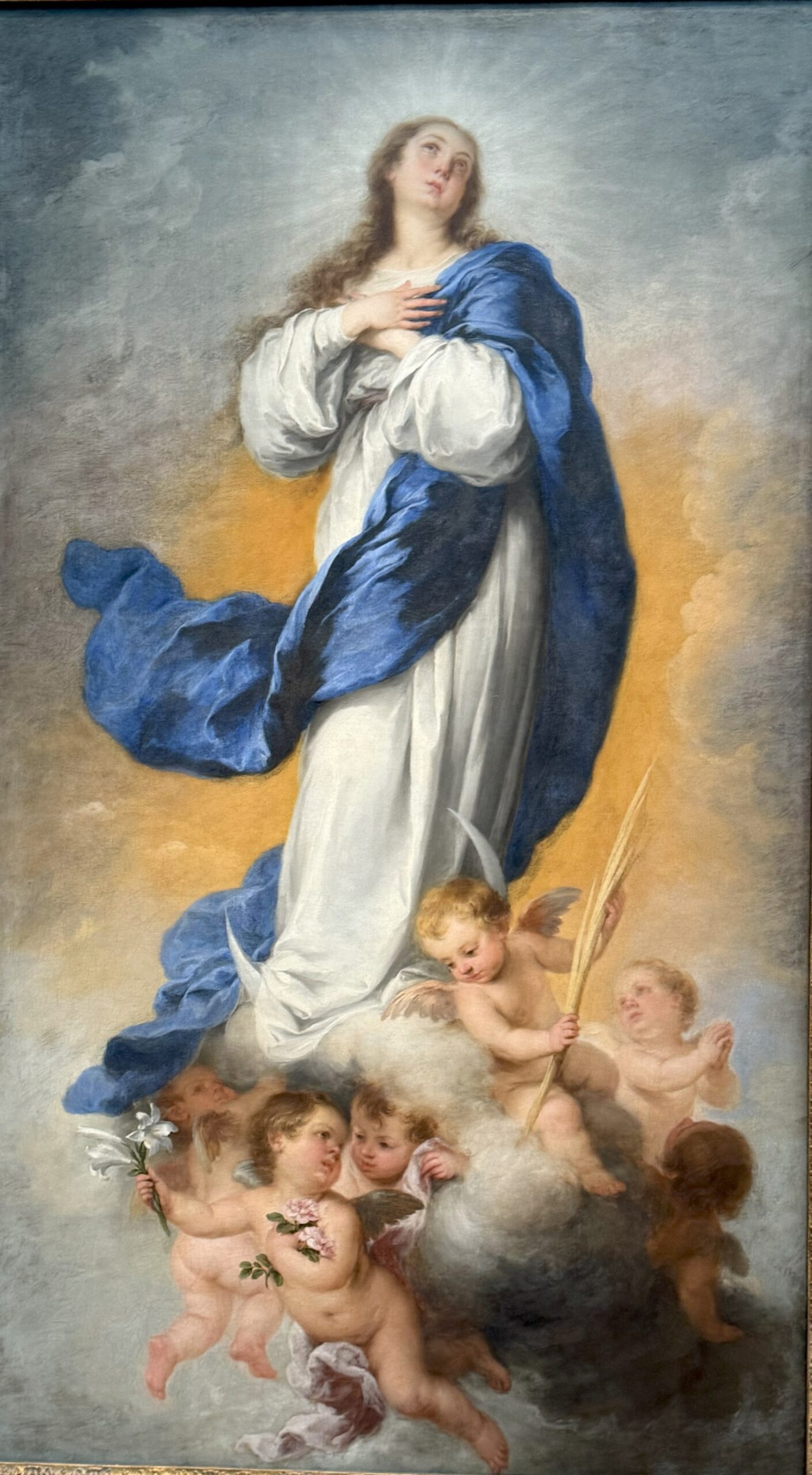
Immaculate Conception
“Immaculate Conception” (c.1680) Murillo skillfully combines symbols from both the Immaculate Conception and the Assumption to convey Mary’s purity and heavenly exaltation. Symbols of the Immaculate Conception include the crescent moon under her feet, referencing Revelation 12:1 and her triumph over sin; lilies, symbolizing her purity and perpetual virginity; and roses, representing her spiritual beauty…
-
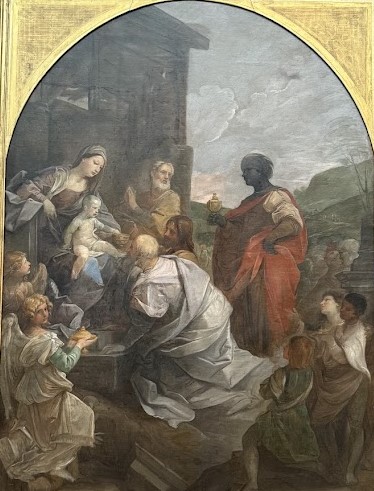
Adoration of the Magi
Adoration of the Magi (1642) by Guido Reni. The museum places this large altarpiece on the opposite wall from Caravaggio’s Crucifixion of St. Andrew. The Reni wall represents his version of idealism, where he draws from nature but enhances it to attempt to achieve an even more perfect representation of the subject. However, this was…
-
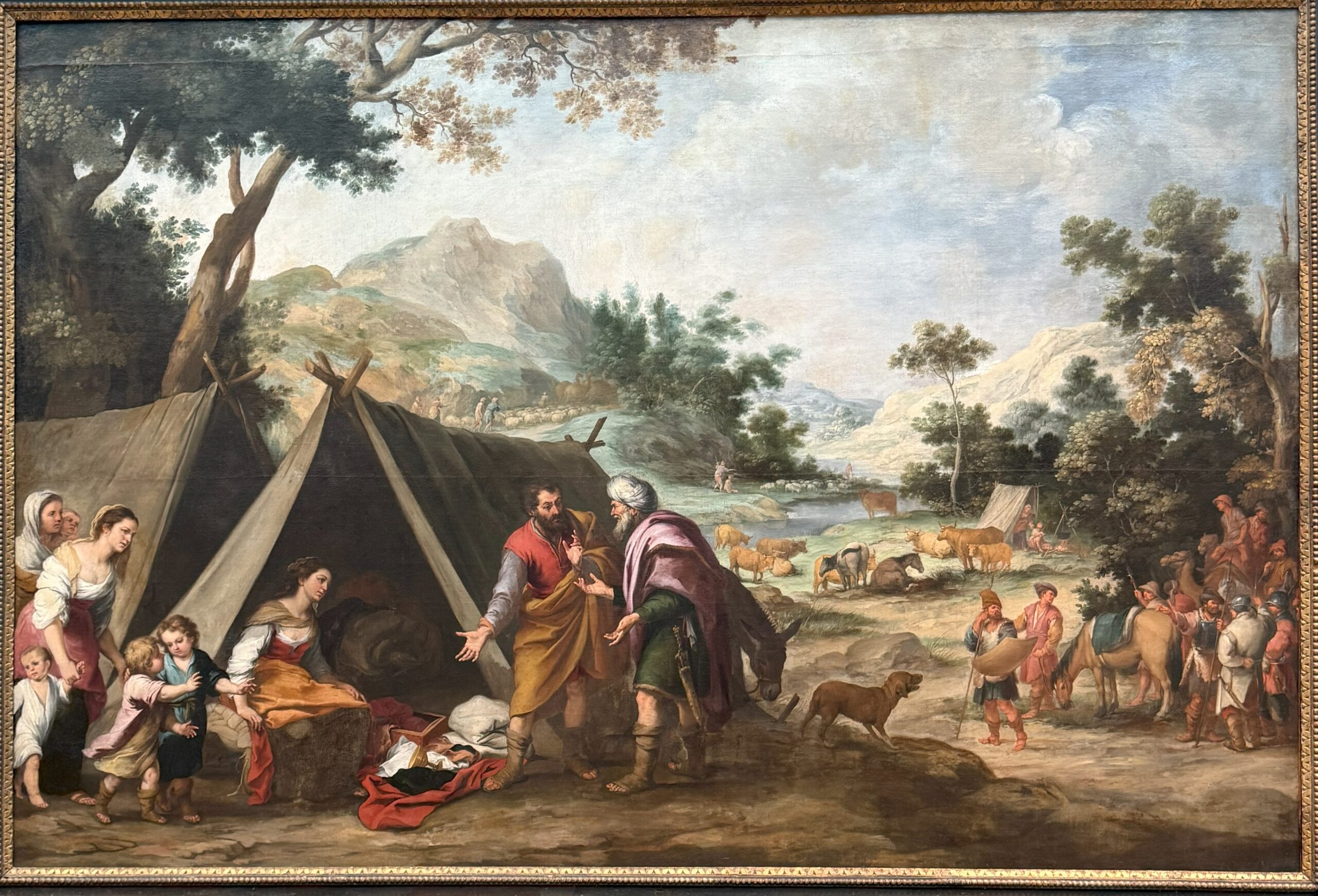
Laban Searching for his Stolen Household Gods
Laban Searching for his Stolen Household Gods (c.1665) Bartolomé Esteban Murillo. Murillo was commissioned with another painter to create 5 paintings depicting the life of Jacob from the Old Testament. The other painter was to paint the landscape and Murillo was to paint the foreground. However, there was a quarrel between the painters and Murillo…
-
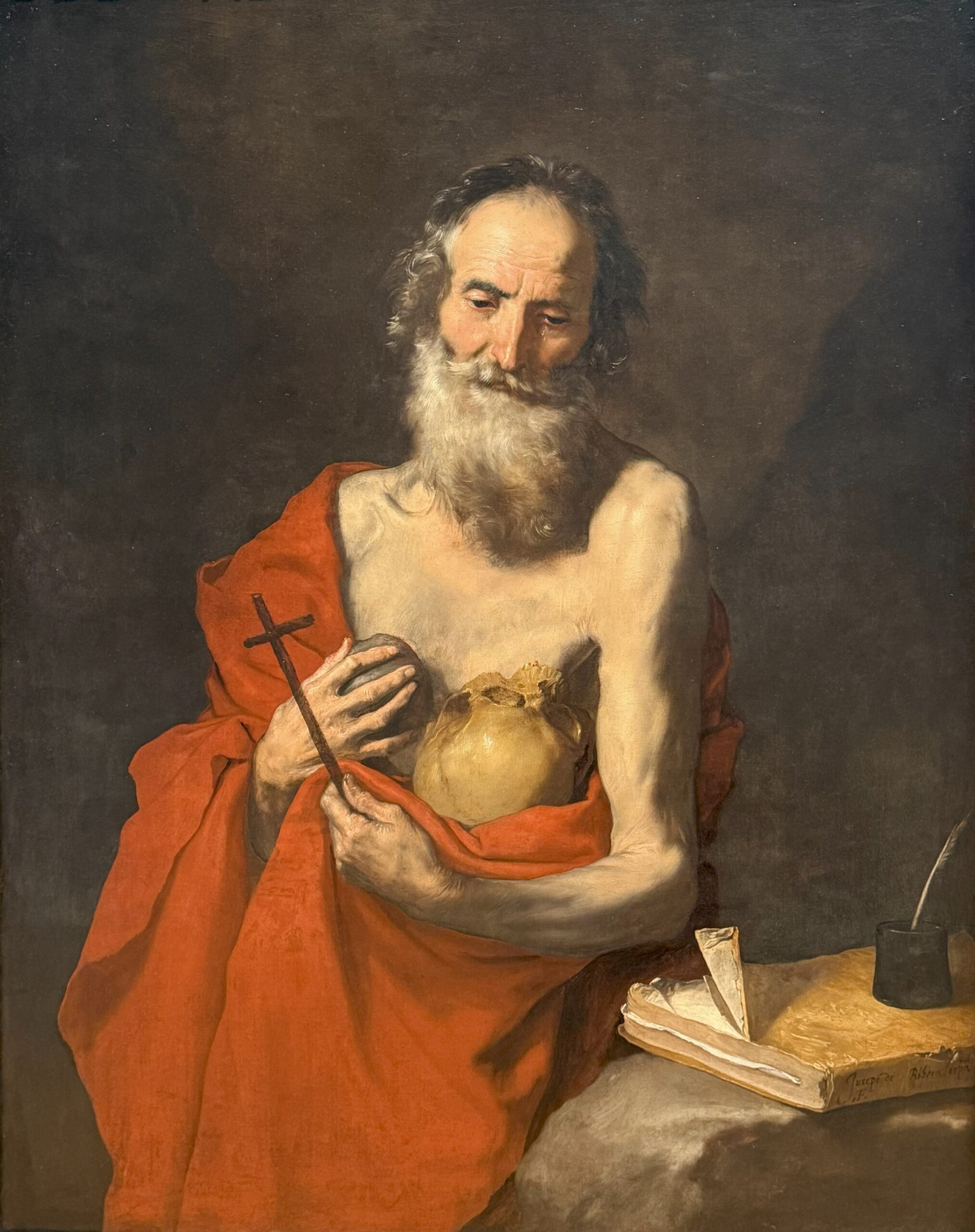
St. Jerome
Saint Jerome (c.1638) Jusepe de Ribera. Ribera appears to use the same model for St. Jerome as he did for the Penitent St. Peter that is found at the @artinstitutechi. Ribera painted many, many pictures of St. Jerome through his career. In this painting, Ribera expertly captures the emotions that the St. is feeling, as he…
-
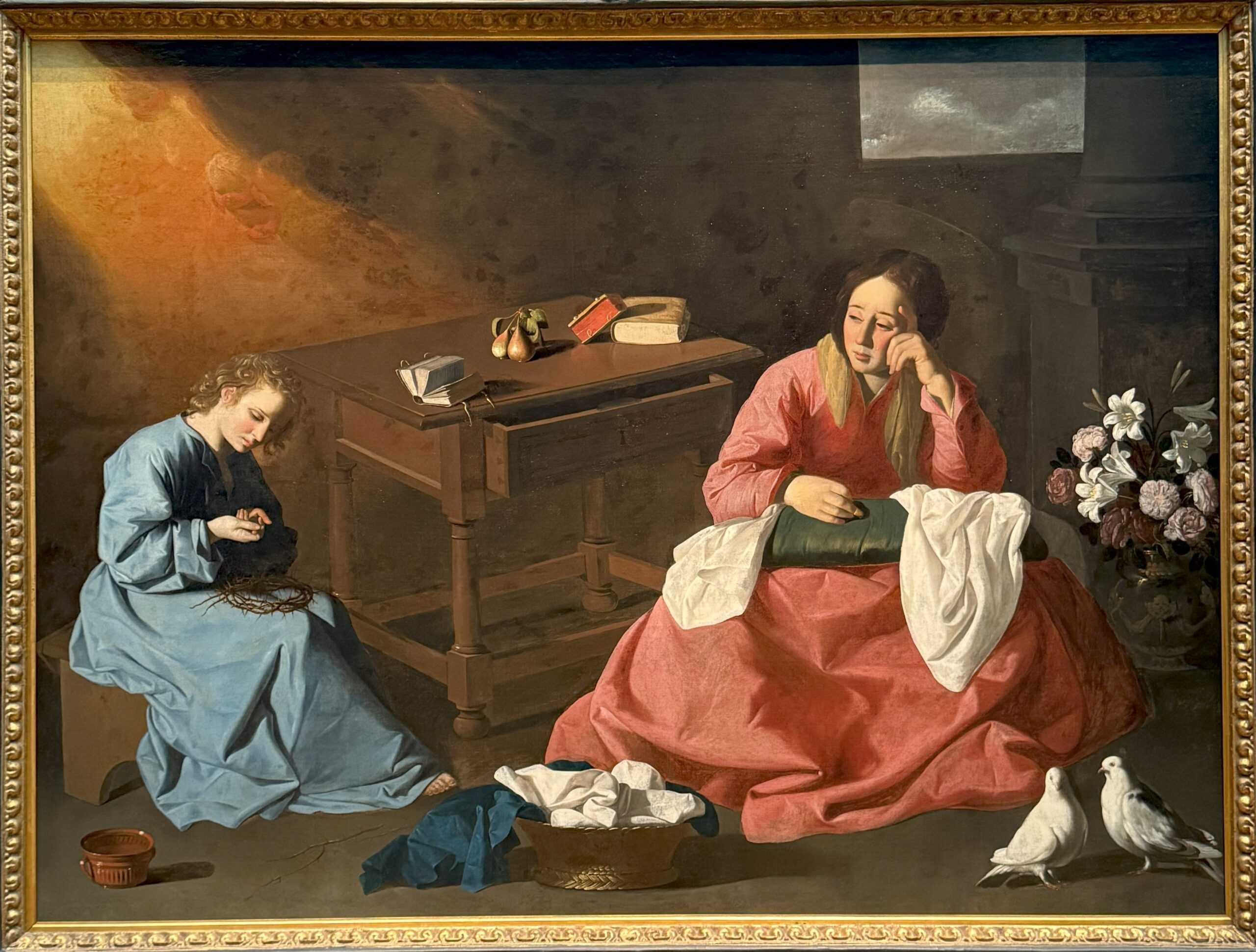
Christ and the Virgin in the House at Nazareth
Christ and the Virgin in the House at Nazareth (c.1640) Francisco de Zurbarán. We see an adolescent Jesus crafting a crown of thorns and pricking his finger as Mary sorrowfully observes him; in deep contemplation of his inevitable fate. Jesus is illuminated by a bright light from the top left of the painting, close observation…
-
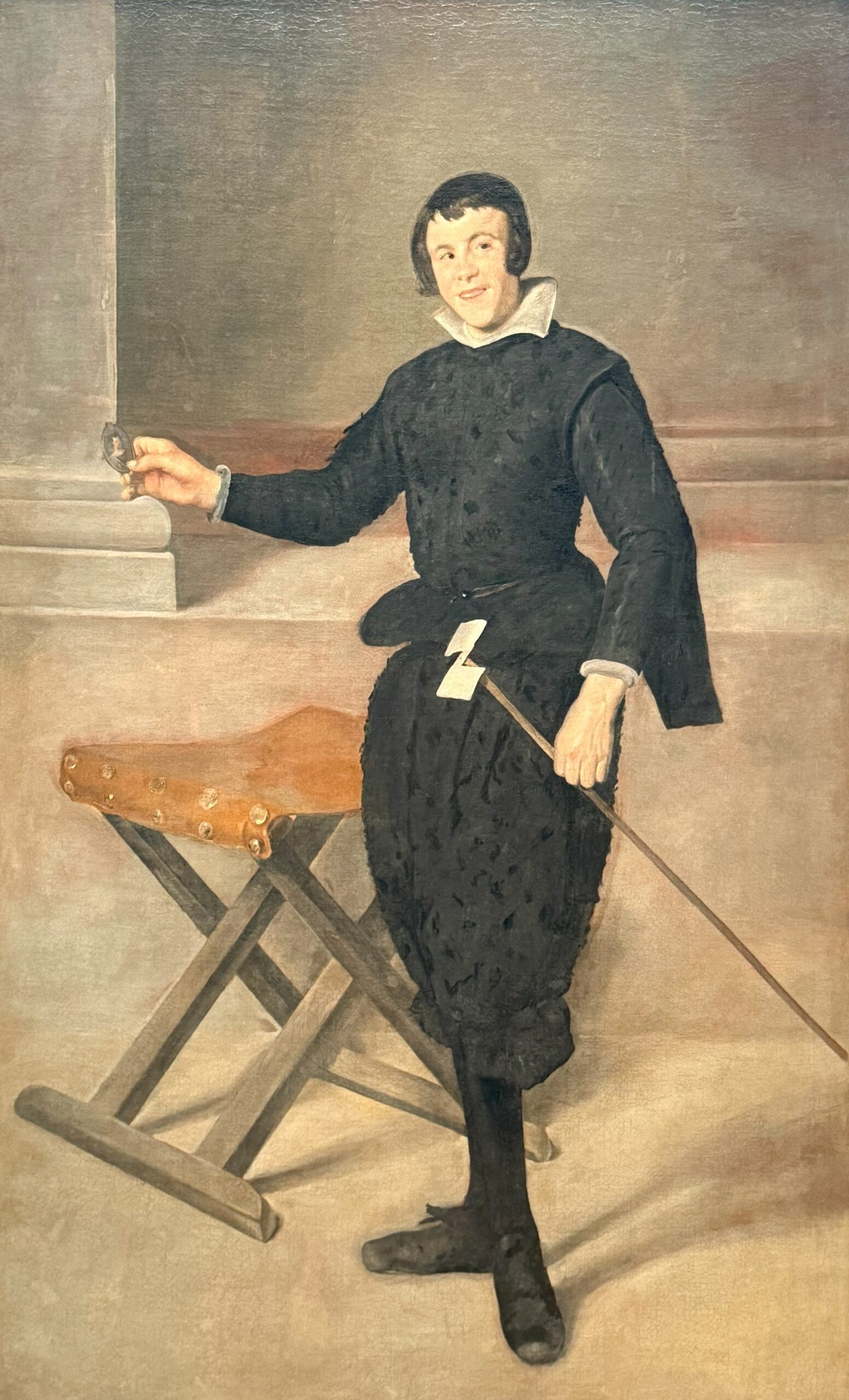
Portrait of the Jester Calabazas
“Portrait of the Jester Calabazas” (c.1631) Diego Velázquez. Velazquez breaks from normal court traditions and paints the court jester in full, formal court portraiture. He does not try to hide that jester has disabilities; rather, he plainly displays them. This dignified approach humanizes Calabazas and sets Velazquez apart from his peers.
-
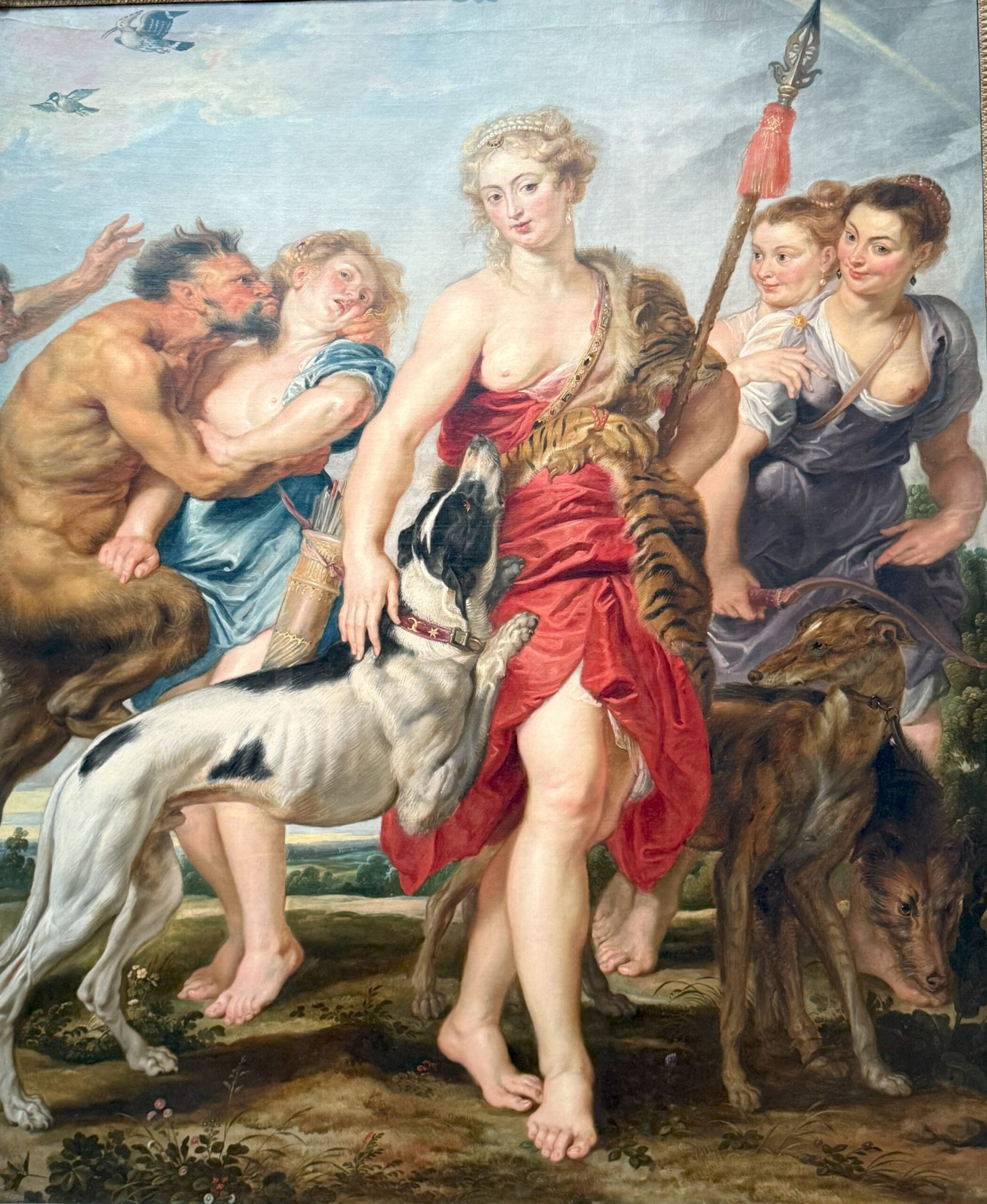
Diana and Her Nymphs Departing for the Hunt
“Diana and Her Nymphs Departing for the Hunt” (c.1615) Peter Paul Rubens. This painting captures Baroque drama through vivid color and expressive movement. Diana stands poised with divine symbols, surrounded by animated nymphs and mythic figures. The scene blends elegance and wildness, evoking anticipation and the harmony between humanity and nature. Can you spot Rubens’…
-
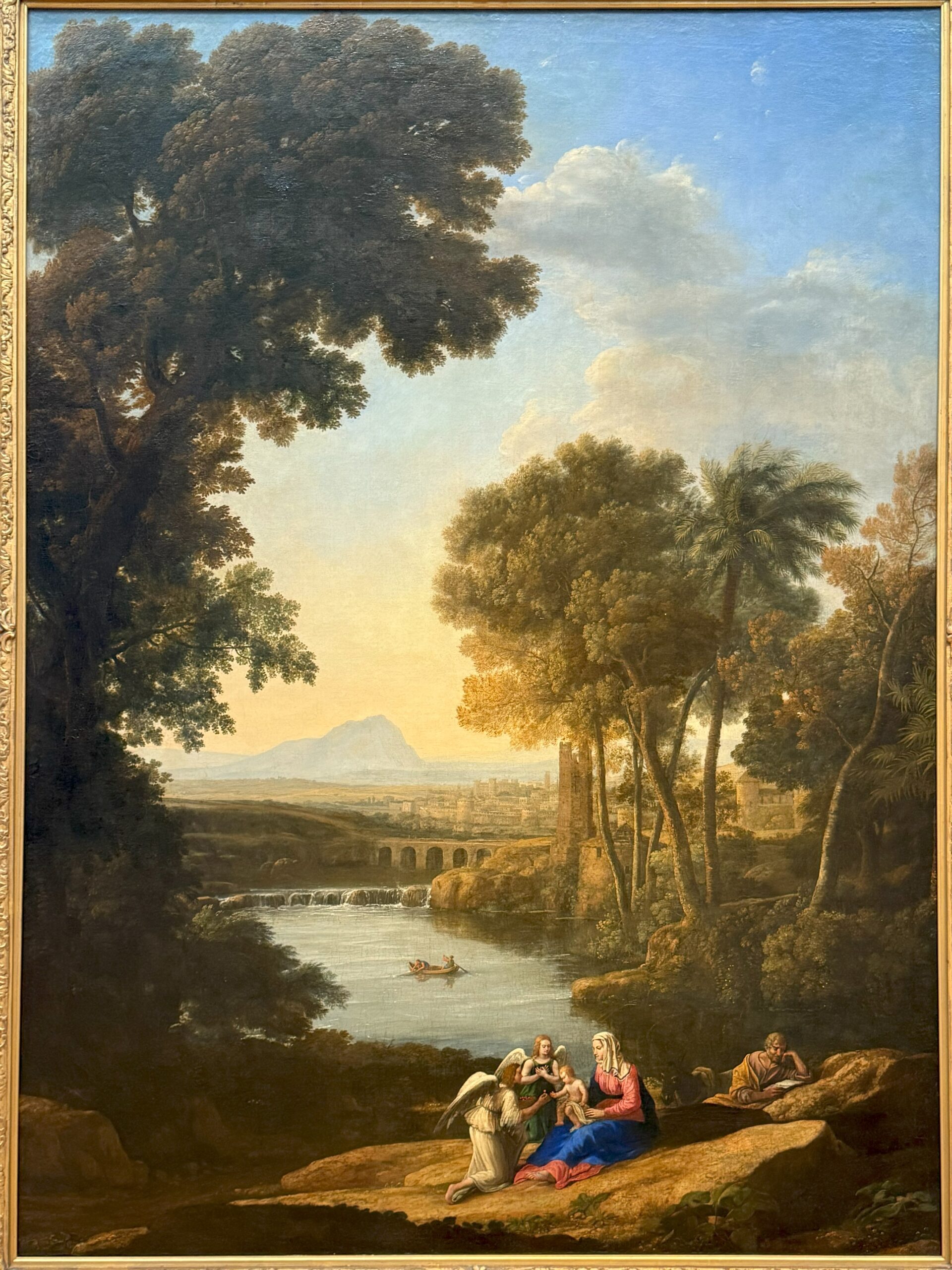
Rest on the Flight from Egypt
Rest on the Flight from Egypt (c.1640) Claude Lorrain. Lorrain is known as one of the first purely landscape painters of Baroque era. Lorrain wasn’t interested in painting things exactly as they exist in front of him, he preferred to improve upon what was naturally possible to create an idyllic scene. Like many Baroque artists,…