Category: Itinerary
-

Capitoline Museums Baroque Itinerary
Overview Founded in 1471 when Pope Sixtus IV donated a group of ancient bronze sculptures to the people of Rome, the Capitoline Museums are widely recognized as the world’s oldest public museum. Today, their collections span more than two millennia of artistic achievement, including an outstanding group of Baroque paintings produced during Rome’s seventeenth-century golden…
-
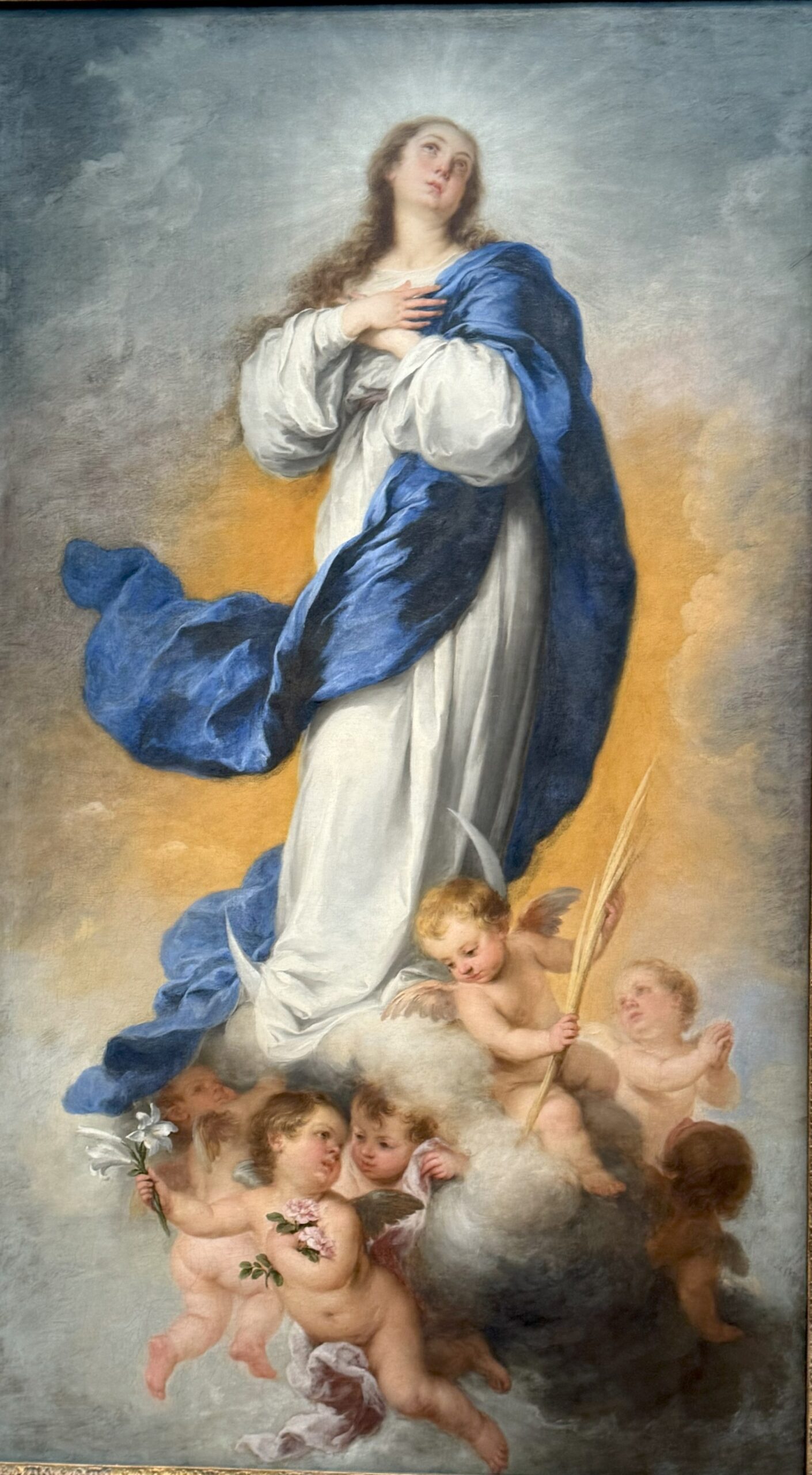
Immaculate Conception
On December 8th, the Catholic Church celebrates the Immaculate Conception of the Blessed Virgin Mary. Under her title of “Immaculate Conception”, Mary was named the Patroness of America in 1846 by the US Bishops. “Immaculate Conception” (c.1680) Murillo skillfully combines symbols from both the Immaculate Conception and the Assumption to convey Mary’s purity and heavenly…
-
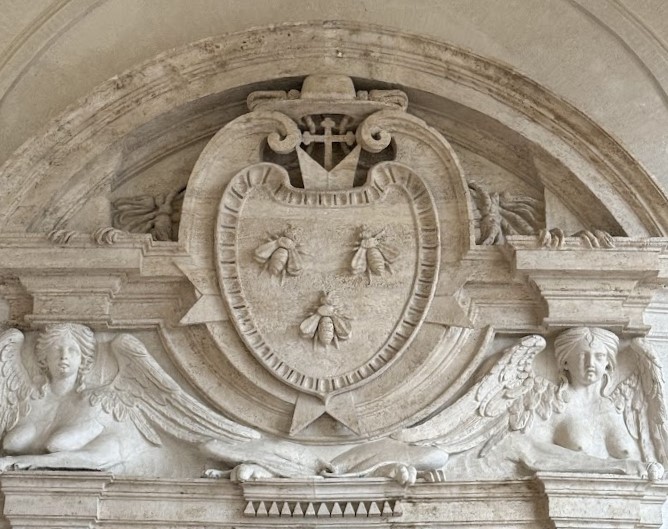
The Galleria Nazionale d’Arte Antica at Palazzo Barberini
Overview The Galleria Nazionale d’Arte Antica at Palazzo Barberini in Rome is a treasure trove of art from the 13th to the 18th centuries. Housed in a stunning Baroque palace designed by Carlo Maderno, Gian Lorenzo Bernini, and Francesco Borromini, the gallery showcases masterpieces by artists like Caravaggio, Raphael, and Titian. Originally the Barberini family’s…
-
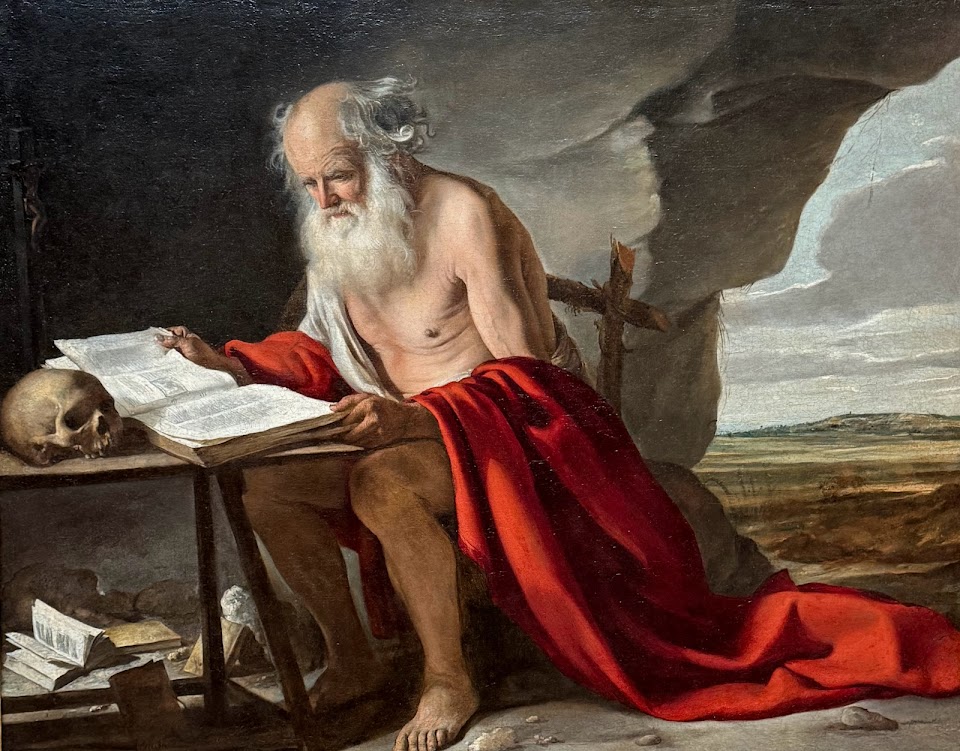
Feast of St. Jerome
St.Jerome (c.1642) LeNain Brothers. The Catholic church celebrates September 30th as the feast day of St. Jerome, priest and Doctor of the Church. St. Jerome was a 4th-century priest, theologian, and Doctor of the Church, best known for his translation of the Bible into Latin, known as the Vulgate. Born around 347 in Stridon (in…
-
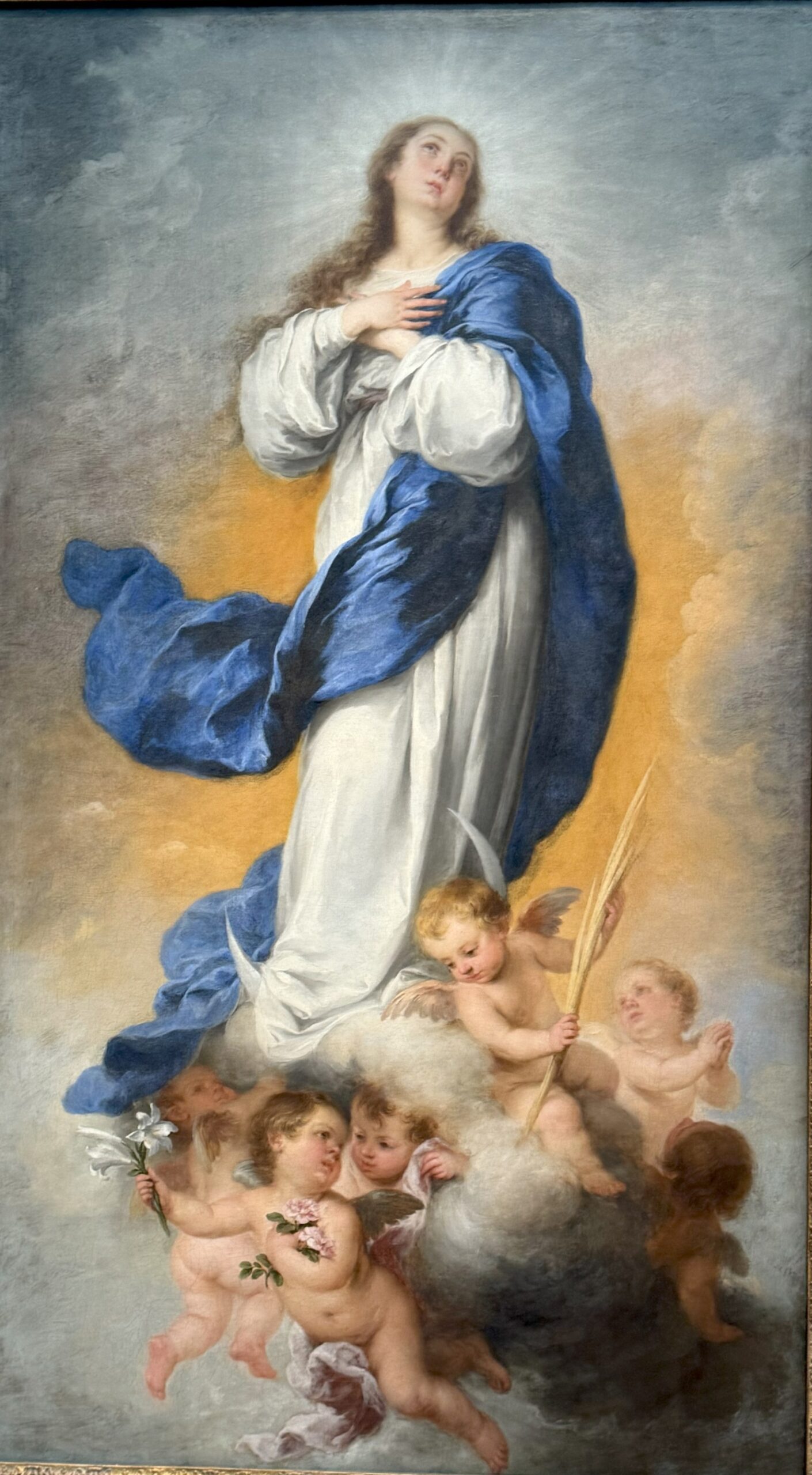
Immaculate Conception
“Immaculate Conception” (c.1680) Murillo skillfully combines symbols from both the Immaculate Conception and the Assumption to convey Mary’s purity and heavenly exaltation. Symbols of the Immaculate Conception include the crescent moon under her feet, referencing Revelation 12:1 and her triumph over sin; lilies, symbolizing her purity and perpetual virginity; and roses, representing her spiritual beauty…
-
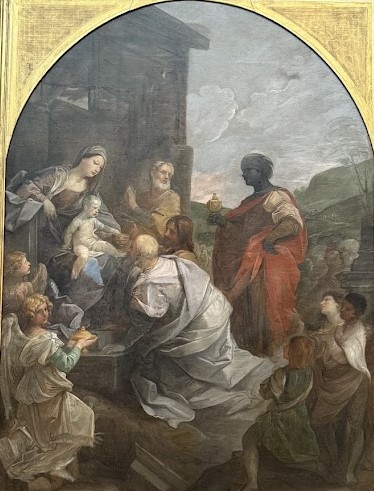
Adoration of the Magi
Adoration of the Magi (1642) by Guido Reni. The museum places this large altarpiece on the opposite wall from Caravaggio’s Crucifixion of St. Andrew. The Reni wall represents his version of idealism, where he draws from nature but enhances it to attempt to achieve an even more perfect representation of the subject. However, this was…
-
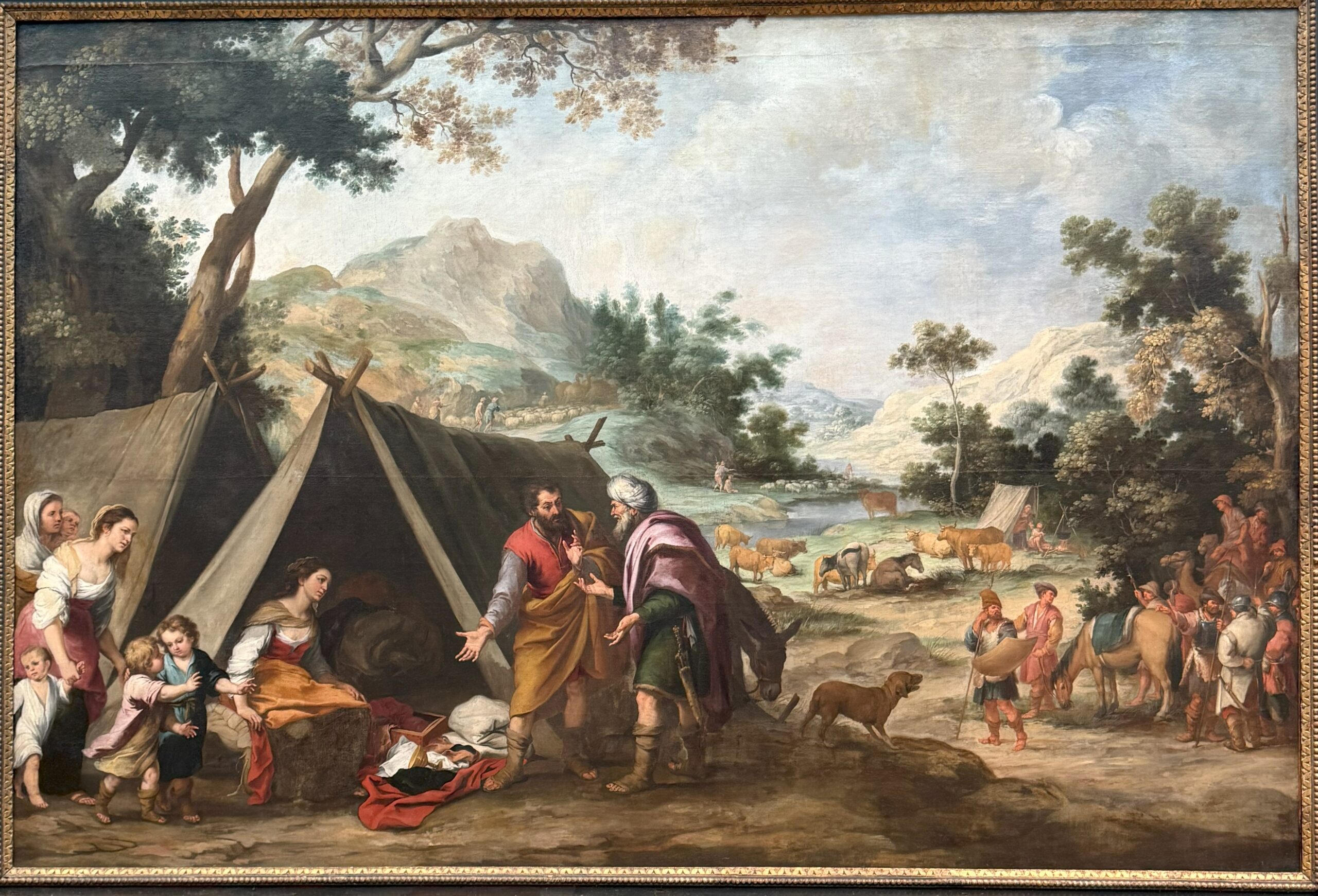
Laban Searching for his Stolen Household Gods
Laban Searching for his Stolen Household Gods (c.1665) Bartolomé Esteban Murillo. Murillo was commissioned with another painter to create 5 paintings depicting the life of Jacob from the Old Testament. The other painter was to paint the landscape and Murillo was to paint the foreground. However, there was a quarrel between the painters and Murillo…
-
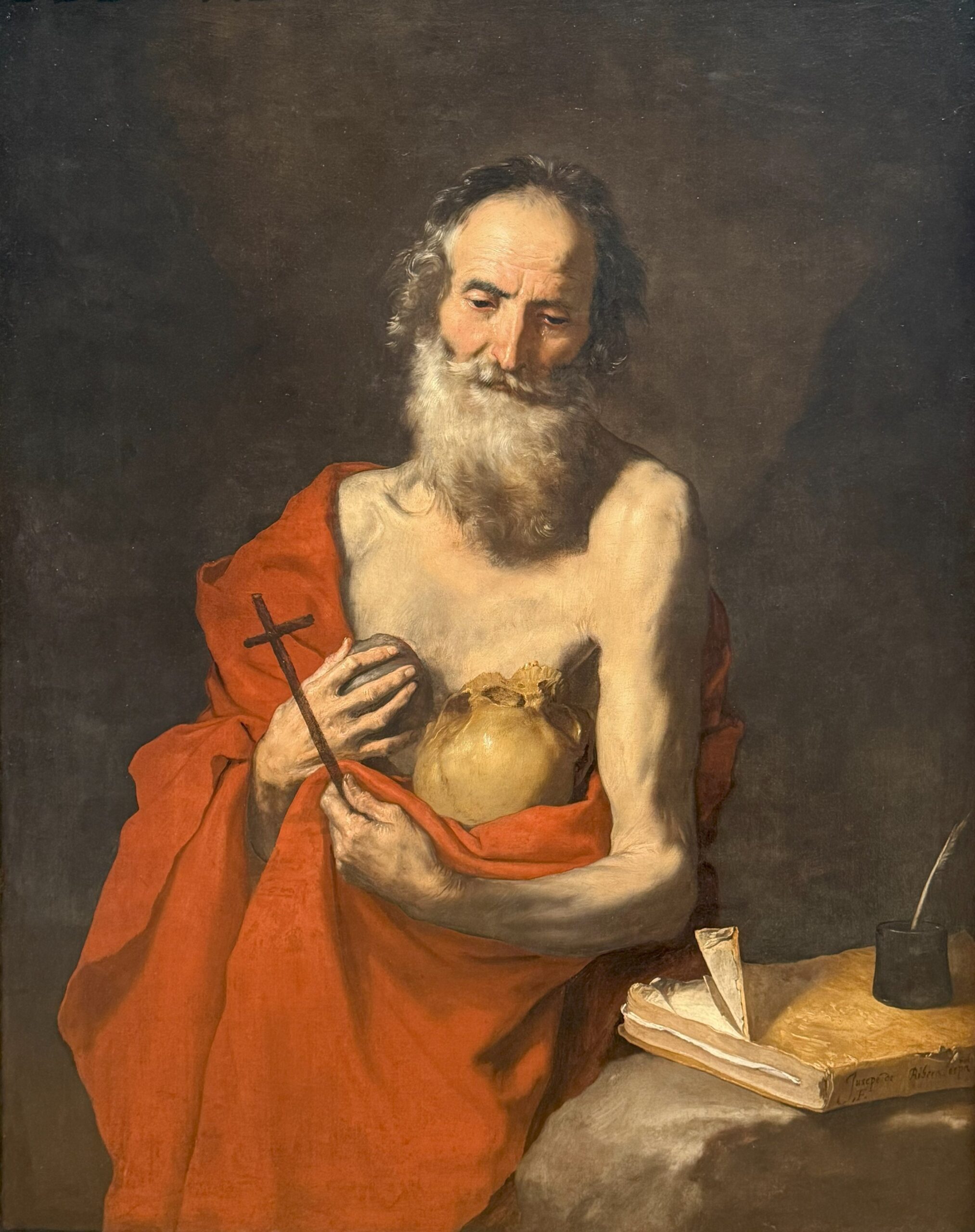
St. Jerome
Saint Jerome (c.1638) Jusepe de Ribera. Ribera appears to use the same model for St. Jerome as he did for the Penitent St. Peter that is found at the @artinstitutechi. Ribera painted many, many pictures of St. Jerome through his career. In this painting, Ribera expertly captures the emotions that the St. is feeling, as he…
-
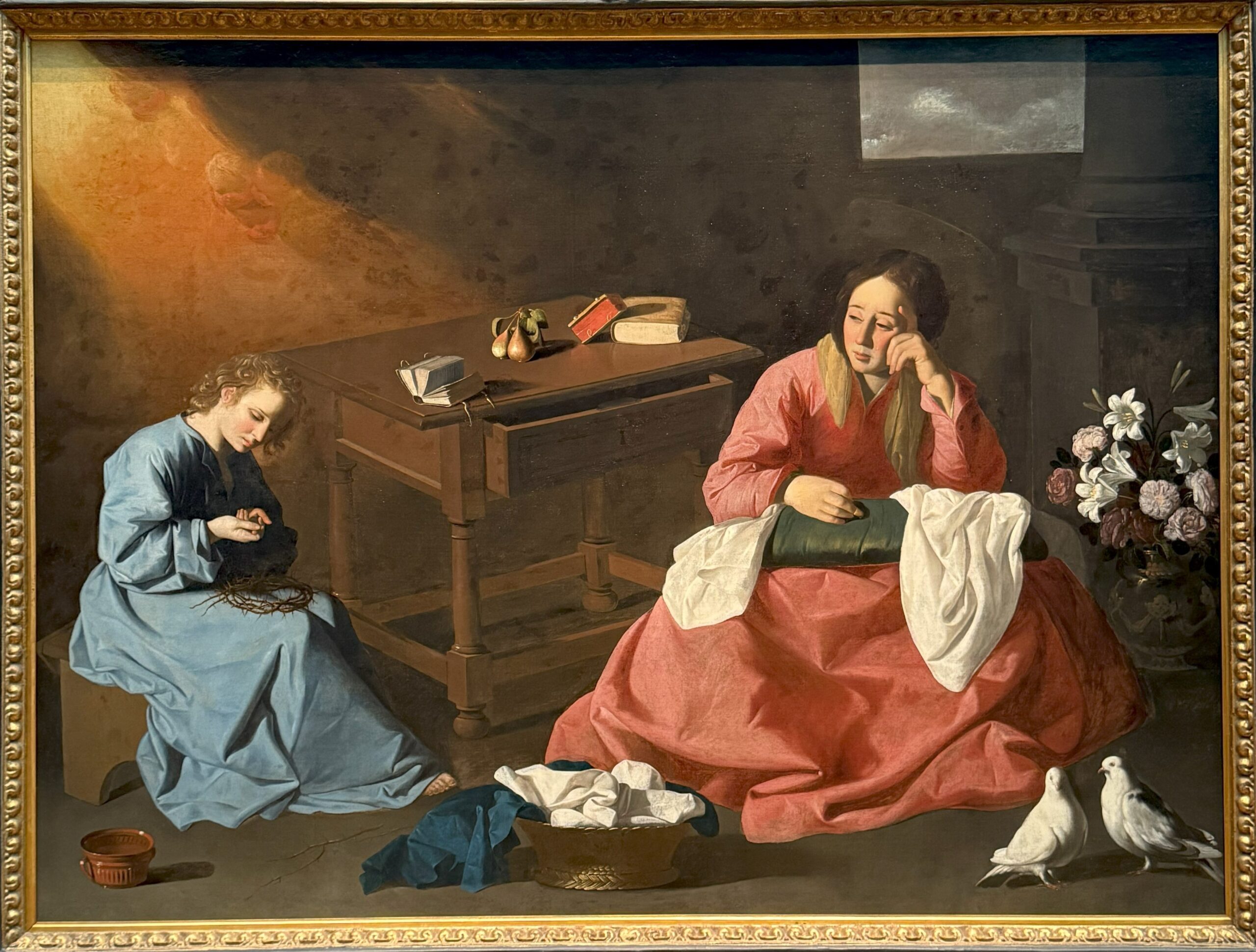
Christ and the Virgin in the House at Nazareth
Christ and the Virgin in the House at Nazareth (c.1640) Francisco de Zurbarán. We see an adolescent Jesus crafting a crown of thorns and pricking his finger as Mary sorrowfully observes him; in deep contemplation of his inevitable fate. Jesus is illuminated by a bright light from the top left of the painting, close observation…