Tag: SpanishBaroque
-
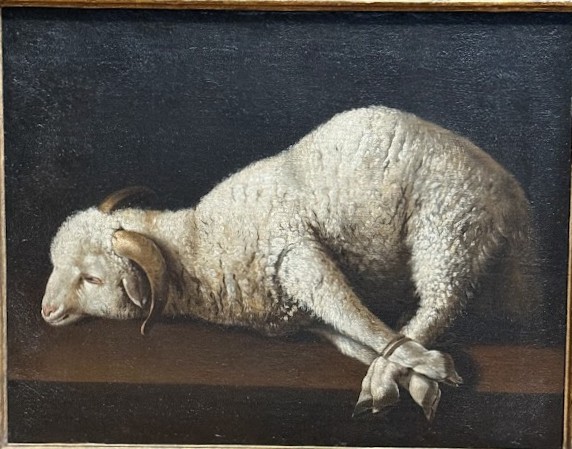
Lamb of God
Agnus Dei (c.1635) Francisco de Zurbarán. “Lamb of God” In a museum, among many other obviously devotional pieces, this one is easy to overlook or think that it might be out of place. But if you stop and reflect on it for a minute, it becomes extremely powerful. The innocent and helpless lamb, prepared for…
-
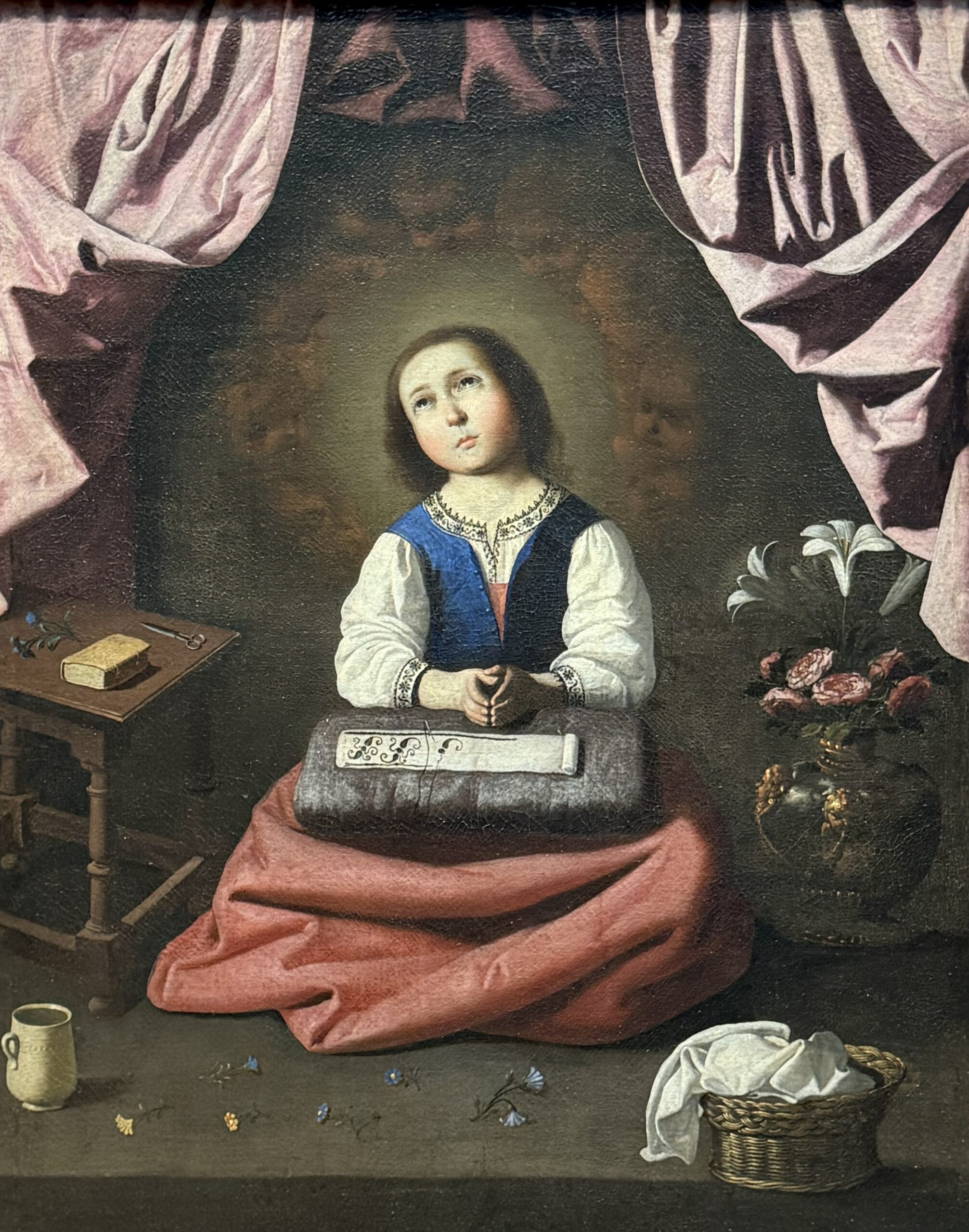
The Young Virgin
The Young Virgin (c.1632) Francisco de Zurbarán. There is so much going on in this painting, I notice something new every time I look at it. First to catch your eye of course is a very young and devout Virgin Mary, reverently turning her eyes up toward heaven. You might notice the light on her…
-
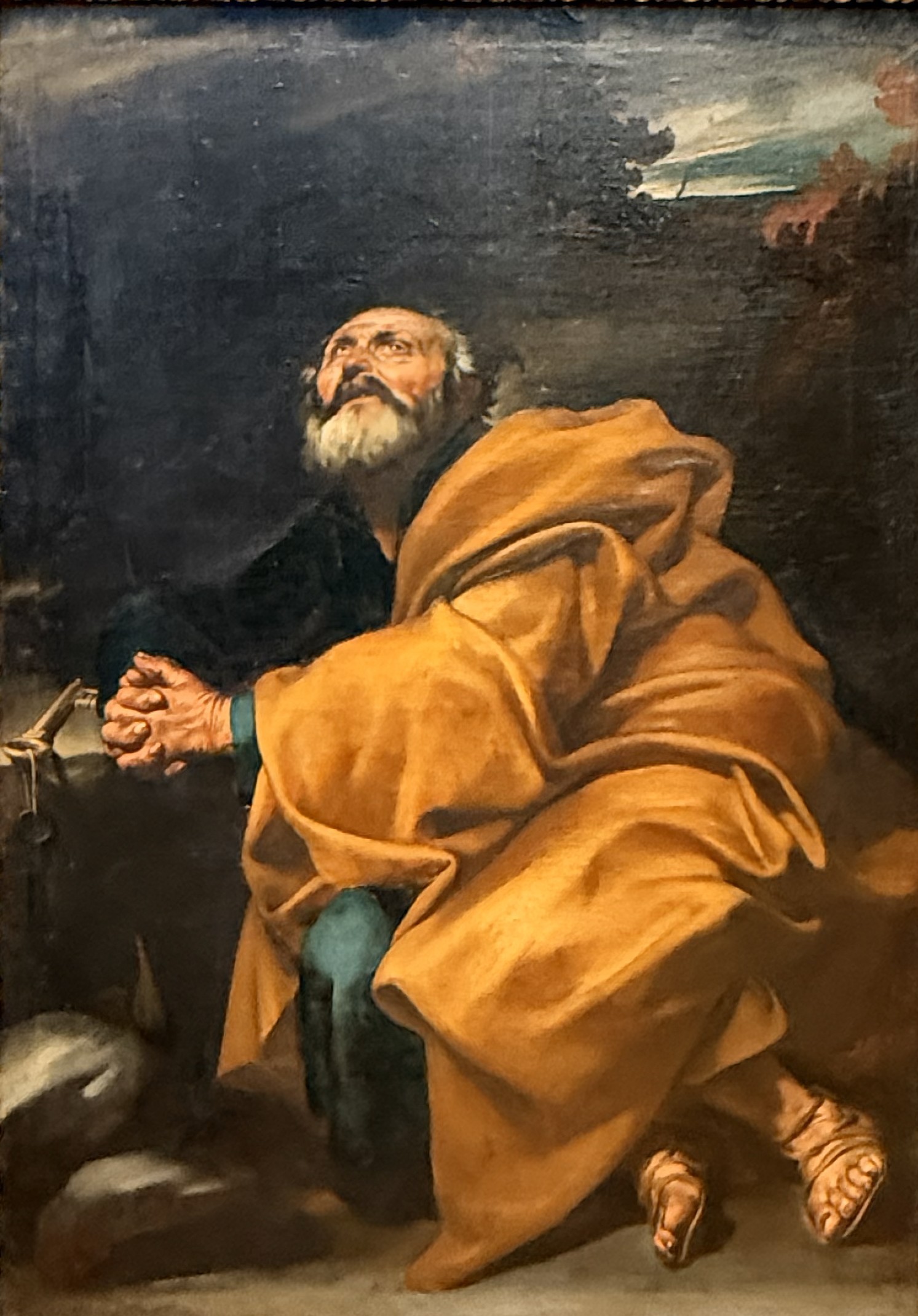
The Tears of Saint Peter
The Tears of Saint Peter (c1613) Jusepe de Ribera. Here is another treatment of the popular Counter-Reformation doctrine that penitence is a true sacrament and not simply a spiritual attitude as the Protestants argued. Emotion such as weeping is interpreted as repentance and this type of painting encouraged the viewer to reflect deeply on their…
-
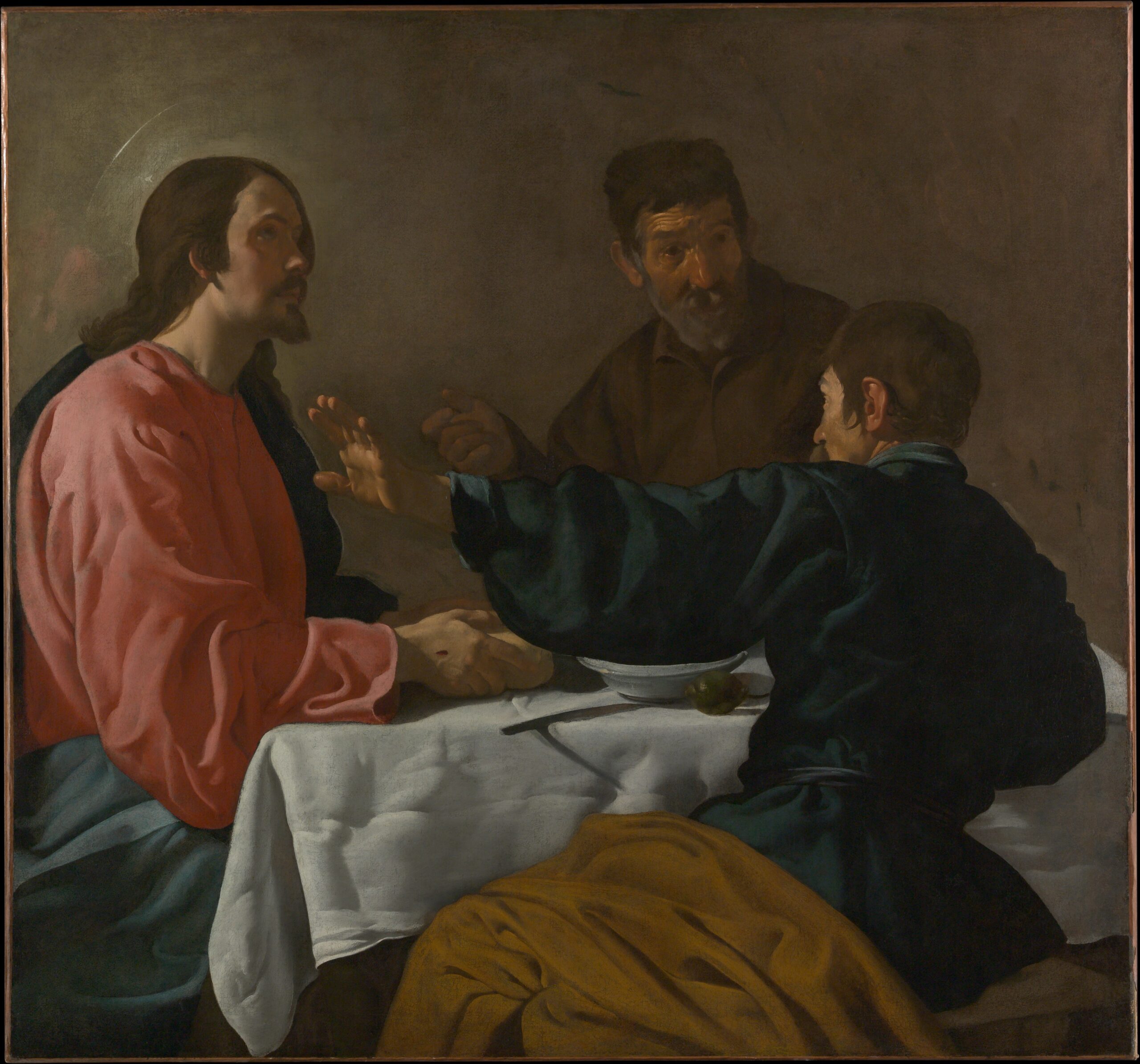
Supper at Emmaus
The Supper at Emmaus (c.1622) Velázquez. Velázquez was in his early 20s when he painted his interpretation of two men encountering the risen Christ. The overall tone of the painting is much more restrained when compared with Caravaggio’s version of the same subject. The gesturing man has his back completed turned away from us; we…
-
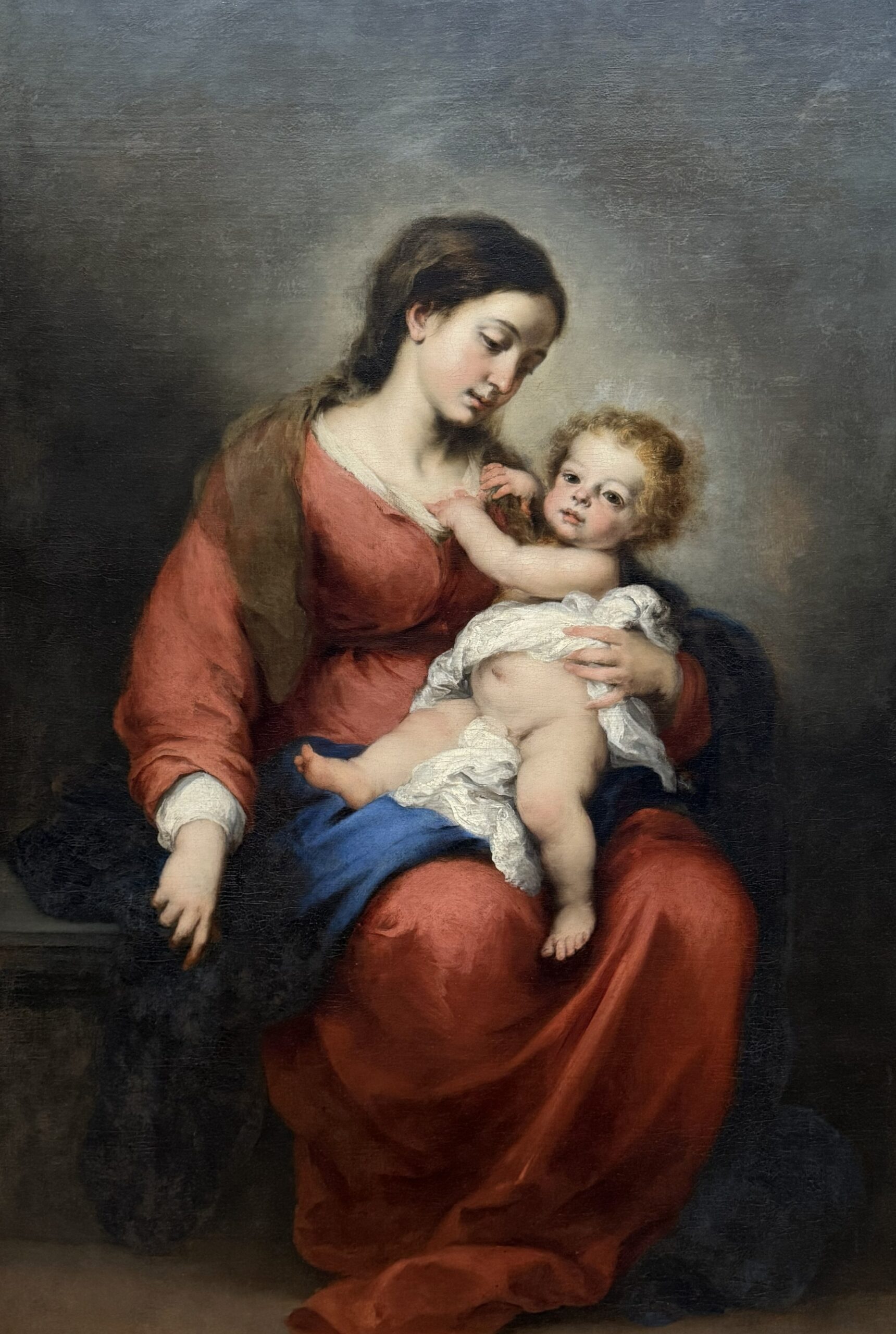
The Solemnity of Mary, The Holy Mother of God
Virgin and Child (c1670) Murillo. January 1st the Catholic church celebrates The Solemnity of Mary, The Holy Mother of God. In this painting, we see the baby Jesus at Mary’s breast and his focus is taken away from his mother for second, perhaps he notices our presence. Mary’s gaze has not left her son, she…
-
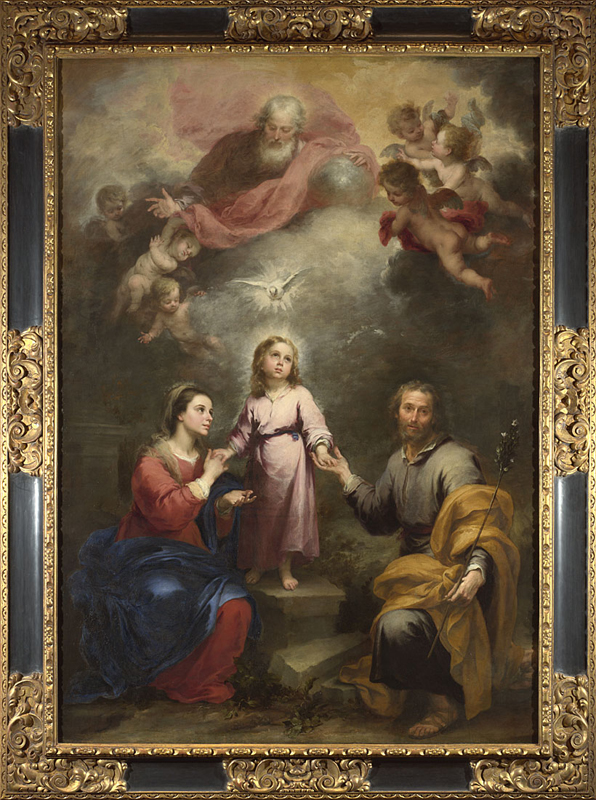
Holy Family
The Heavenly and Earthly Trinities (c.1675) Murillo. The first Sunday after Christmas, the Western Catholic Church celebrates the Holy Family of Jesus, Mary and Joseph. Today’s painting by Murillo shows the Holy Family earthly Trinity as well as the Heavenly Trinity. We don’t see adolescent Jesus often, so it is interesting to see him portrayed…
-
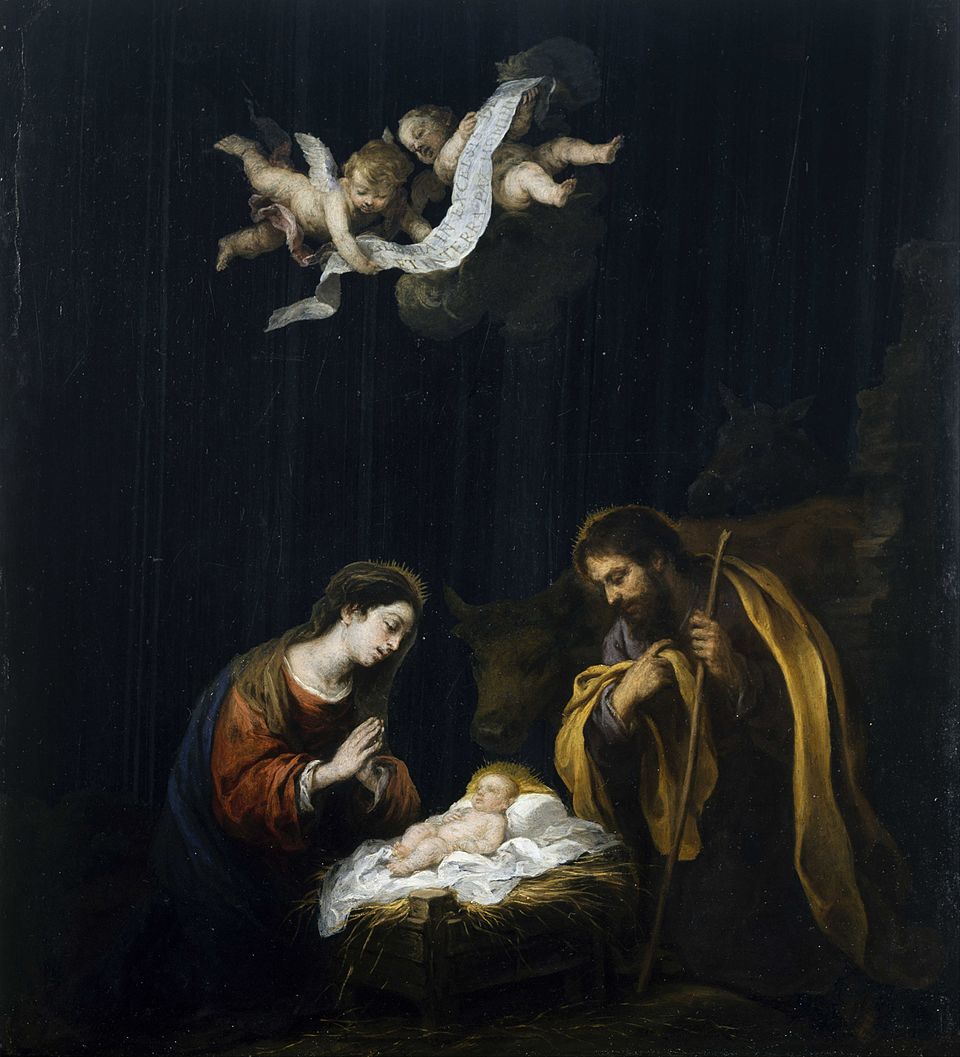
The Nativity
Merry Christmas from the Baroque Art Accessibility Consortium! The featured painting today is The Nativity (c.1655) Bartolomé Estebán Murillo. This painting is especially unique because it was painted on obsidian. As everyone (who plays Minecraft) knows, obsidian is formed by rapidly cooling lava. It is thought that this piece of obsidian was created by an…
-
Immaculate Conception
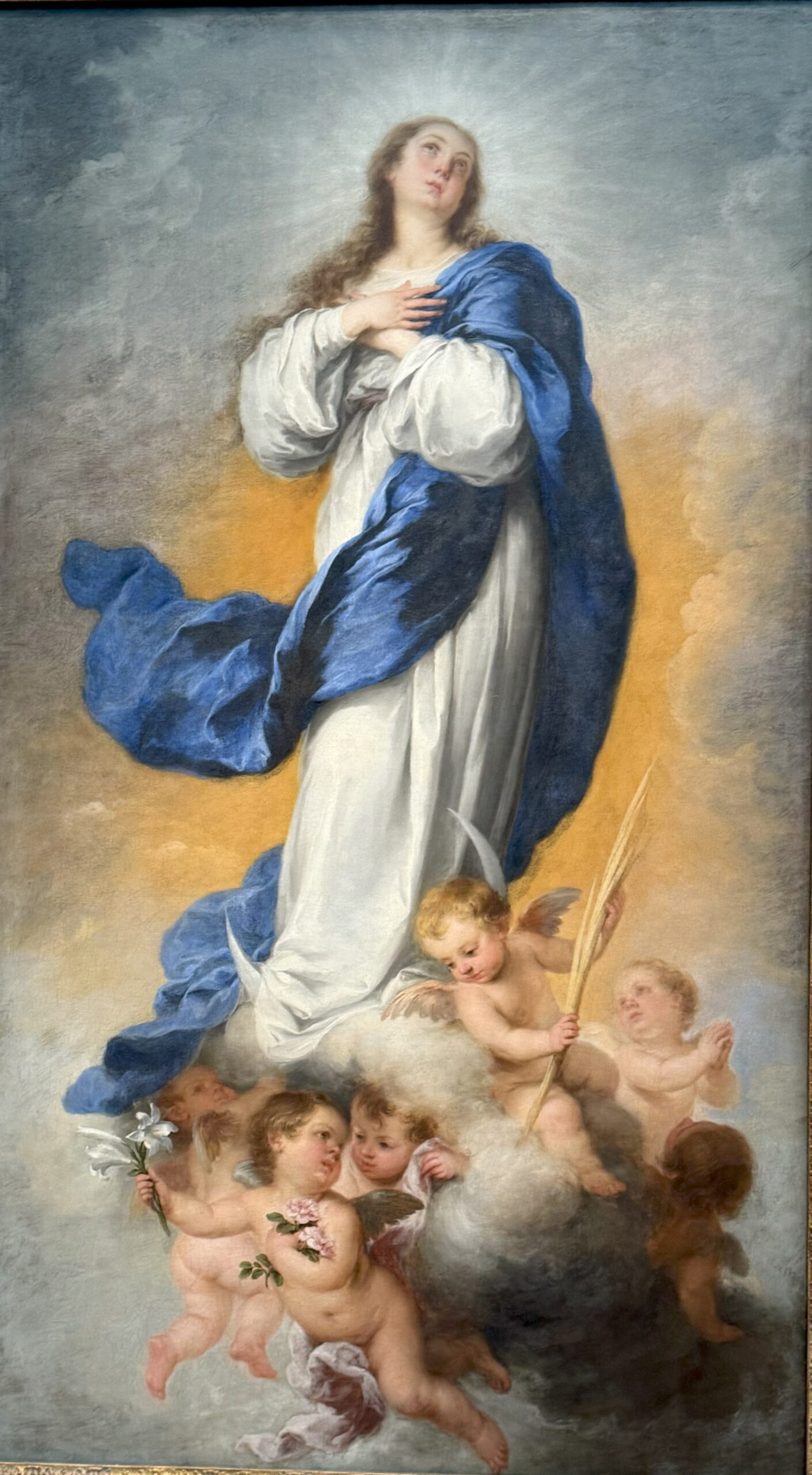
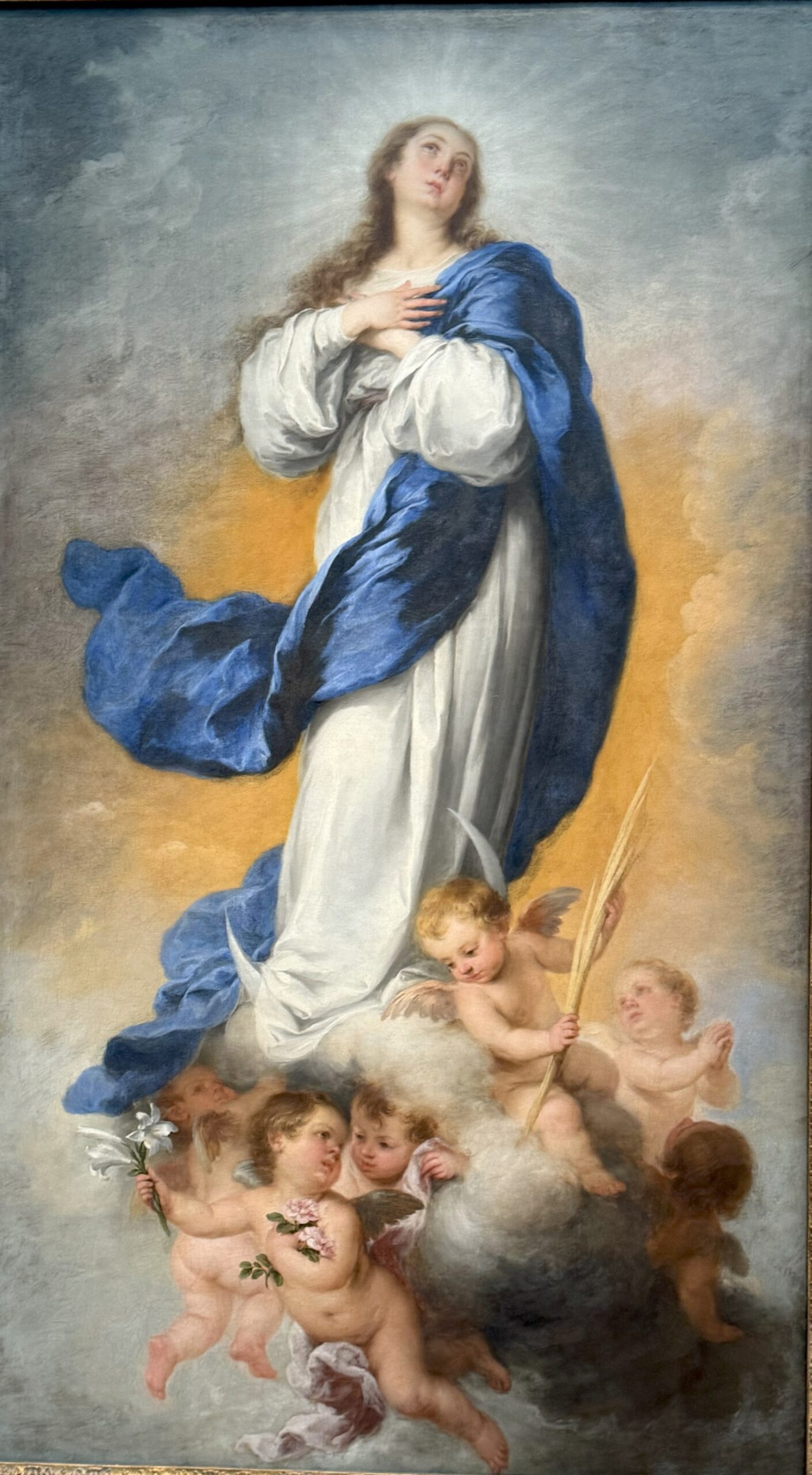
On December 8th, the Catholic Church celebrates the Immaculate Conception of the Blessed Virgin Mary. Under her title of “Immaculate Conception”, Mary was named the Patroness of America in 1846 by the US Bishops. “Immaculate Conception” (c.1680) Murillo skillfully combines symbols from both the Immaculate Conception and the Assumption to convey Mary’s purity and heavenly…
-
Immaculate Conception
“Immaculate Conception” (c.1680) Murillo skillfully combines symbols from both the Immaculate Conception and the Assumption to convey Mary’s purity and heavenly exaltation. Symbols of the Immaculate Conception include the crescent moon under her feet, referencing Revelation 12:1 and her triumph over sin; lilies, symbolizing her purity and perpetual virginity; and roses, representing her spiritual beauty…