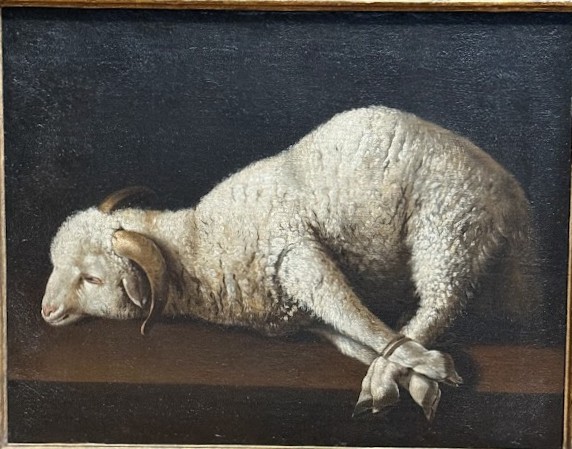
Agnus Dei (c.1635) Francisco de Zurbarán. “Lamb of God” In a museum, among many other obviously devotional pieces, this one is easy to overlook or think that it might be out of place. But if you stop and reflect on it for a minute, it becomes extremely powerful. The innocent and helpless lamb, prepared for the slaughter, has accepted its fate as Christ accepted his.


Comments

2 responses to “Lamb of God”

  1. What happend i dont know

  2. A thoughtful reflection on Zurbarán’s Agnus Dei—its quiet power really lies in its restraint. The simplicity of the lamb, combined with the symbolism of sacrifice and acceptance, creates a moment that invites deep contemplation rather than immediate reaction. It’s a reminder of how Baroque art often communicates emotion through silence, stillness, and symbolism rather than excess.

    For readers exploring themes of reflection, healing, and emotional depth in art and life, resources like a supportive rehab center in Islamabad can also provide spaces for personal restoration and inner clarity, helping individuals process their own journeys with care and understanding.

Leave a Reply

Your email address will not be published. Required fields are marked *