Tag: SpanishBaroque
-
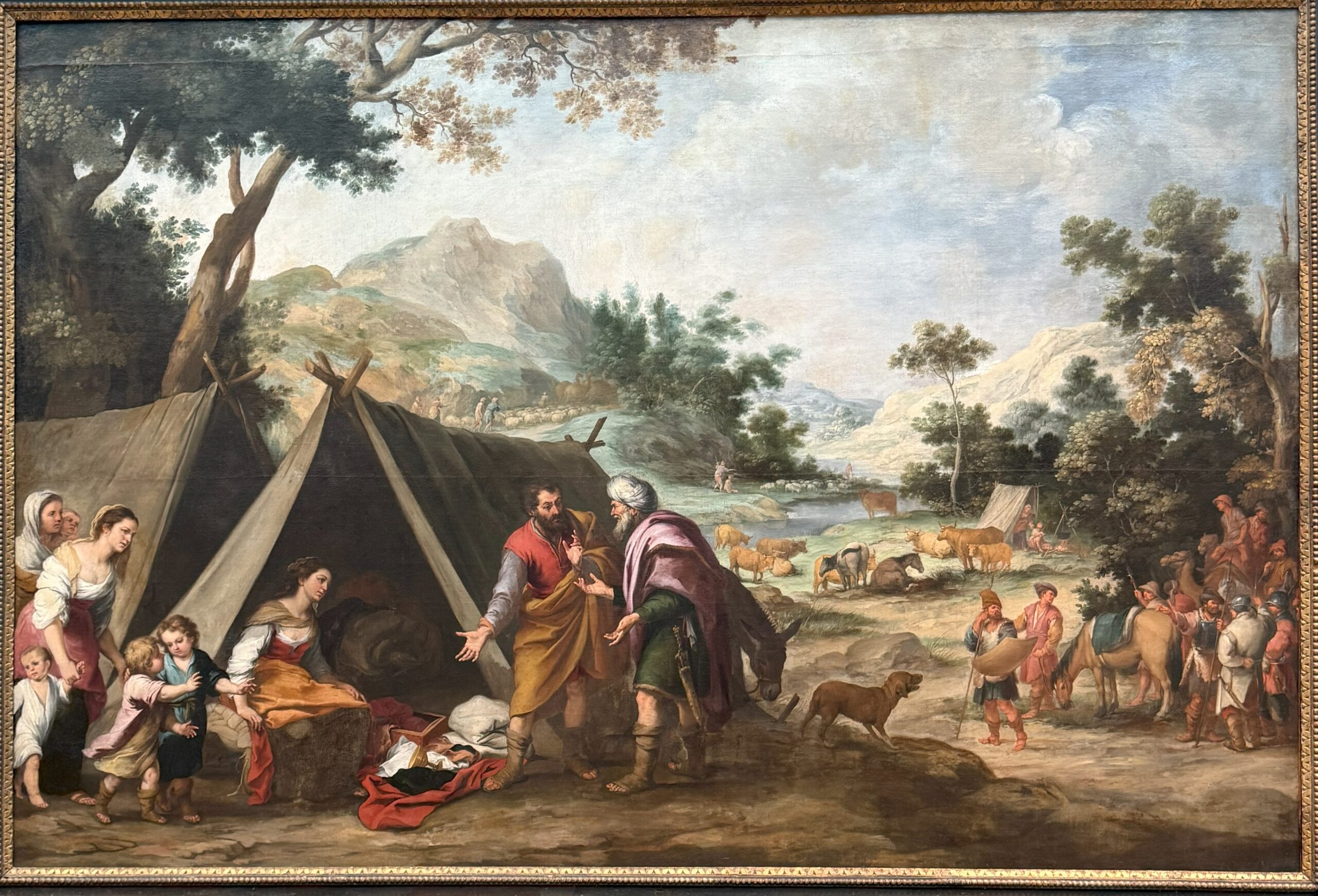
Laban Searching for his Stolen Household Gods
Laban Searching for his Stolen Household Gods (c.1665) Bartolomé Esteban Murillo. Murillo was commissioned with another painter to create 5 paintings depicting the life of Jacob from the Old Testament. The other painter was to paint the landscape and Murillo was to paint the foreground. However, there was a quarrel between the painters and Murillo…
-
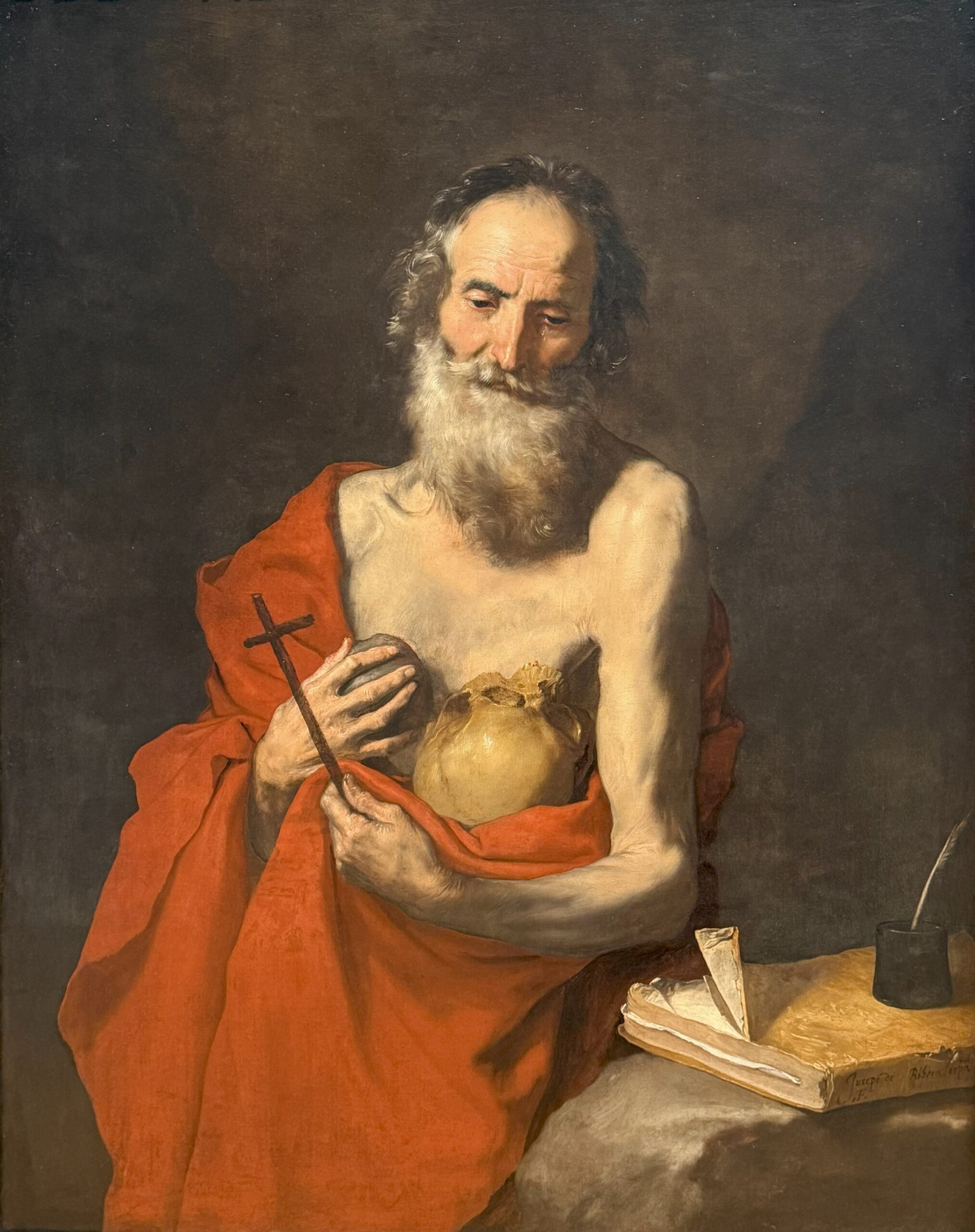
St. Jerome
Saint Jerome (c.1638) Jusepe de Ribera. Ribera appears to use the same model for St. Jerome as he did for the Penitent St. Peter that is found at the @artinstitutechi. Ribera painted many, many pictures of St. Jerome through his career. In this painting, Ribera expertly captures the emotions that the St. is feeling, as he…
-
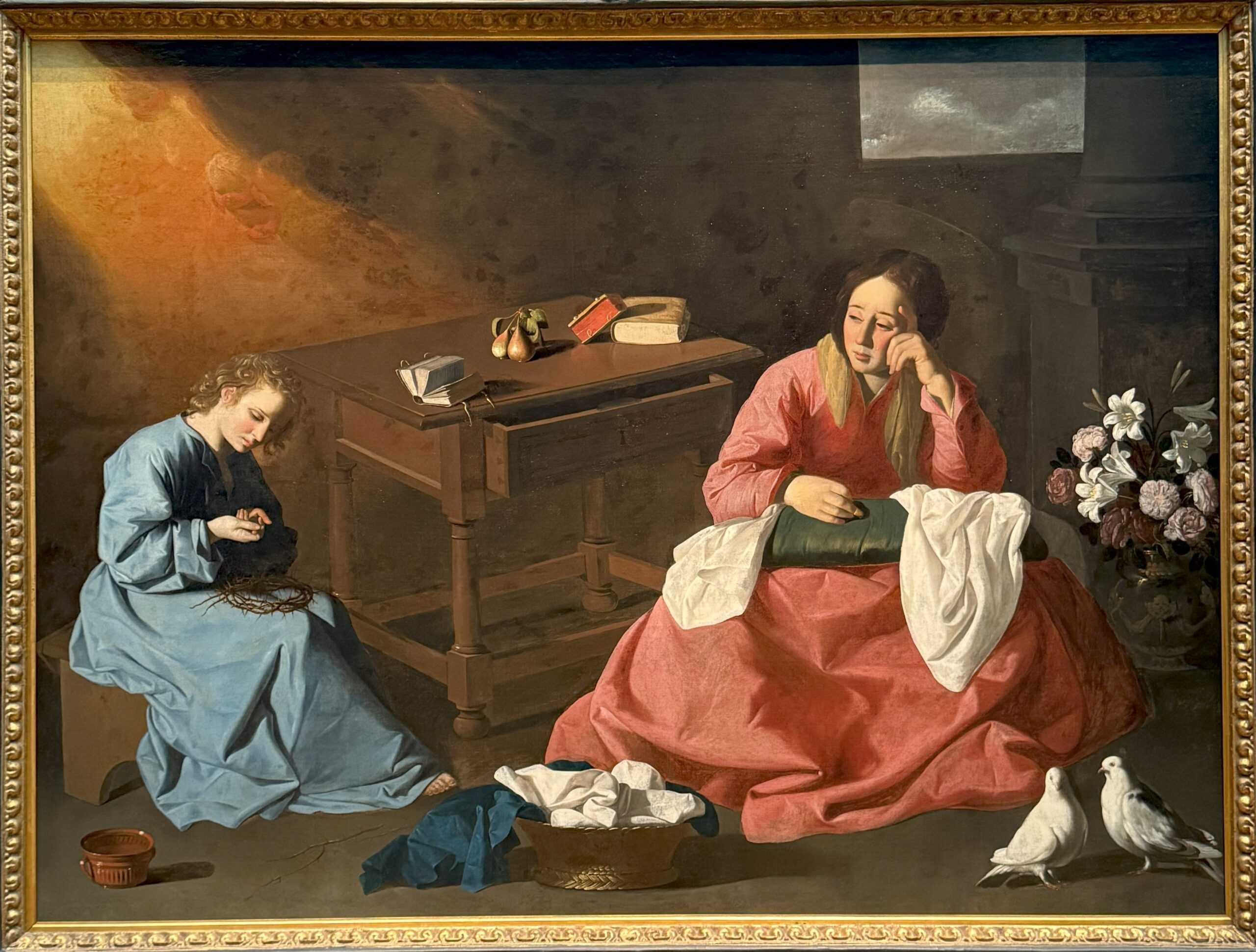
Christ and the Virgin in the House at Nazareth
Christ and the Virgin in the House at Nazareth (c.1640) Francisco de Zurbarán. We see an adolescent Jesus crafting a crown of thorns and pricking his finger as Mary sorrowfully observes him; in deep contemplation of his inevitable fate. Jesus is illuminated by a bright light from the top left of the painting, close observation…
-
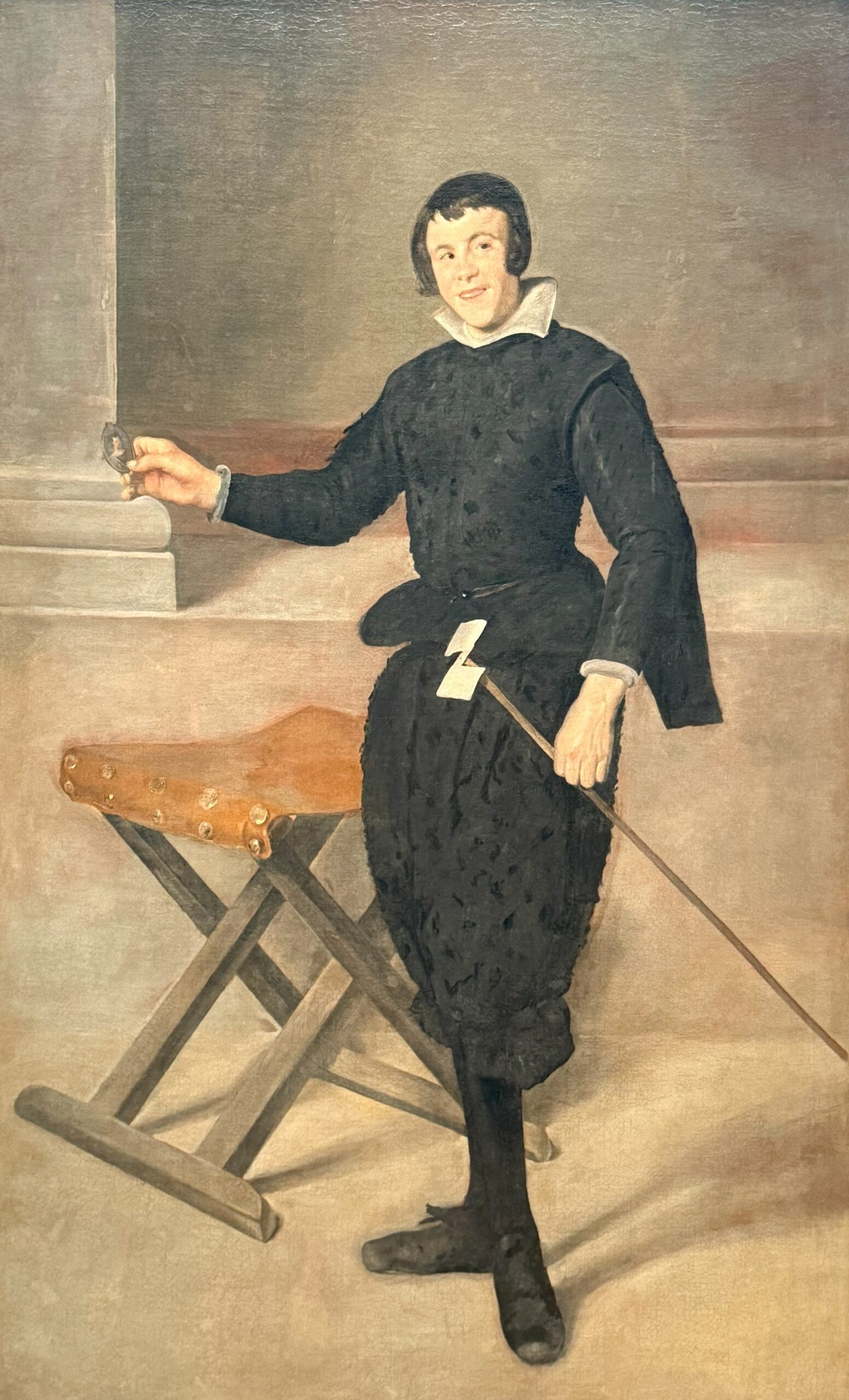
Portrait of the Jester Calabazas
“Portrait of the Jester Calabazas” (c.1631) Diego Velázquez. Velazquez breaks from normal court traditions and paints the court jester in full, formal court portraiture. He does not try to hide that jester has disabilities; rather, he plainly displays them. This dignified approach humanizes Calabazas and sets Velazquez apart from his peers.
-
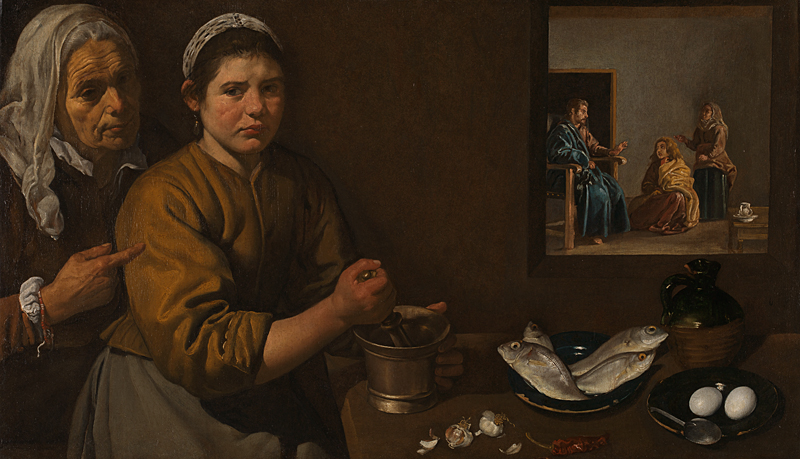
Martha and Mary of Bethany
The Sunday Gospel in the Catholic church covered Luke Chapter 10, when Jesus visited Martha and Mary in Bethany. Martha was busy with hosting duties, while Mary sat listening to Him. Martha asked Jesus to make Mary help, but He praised Mary for choosing what truly matters. Diego Velázquez paints an amazing scene that is…
-
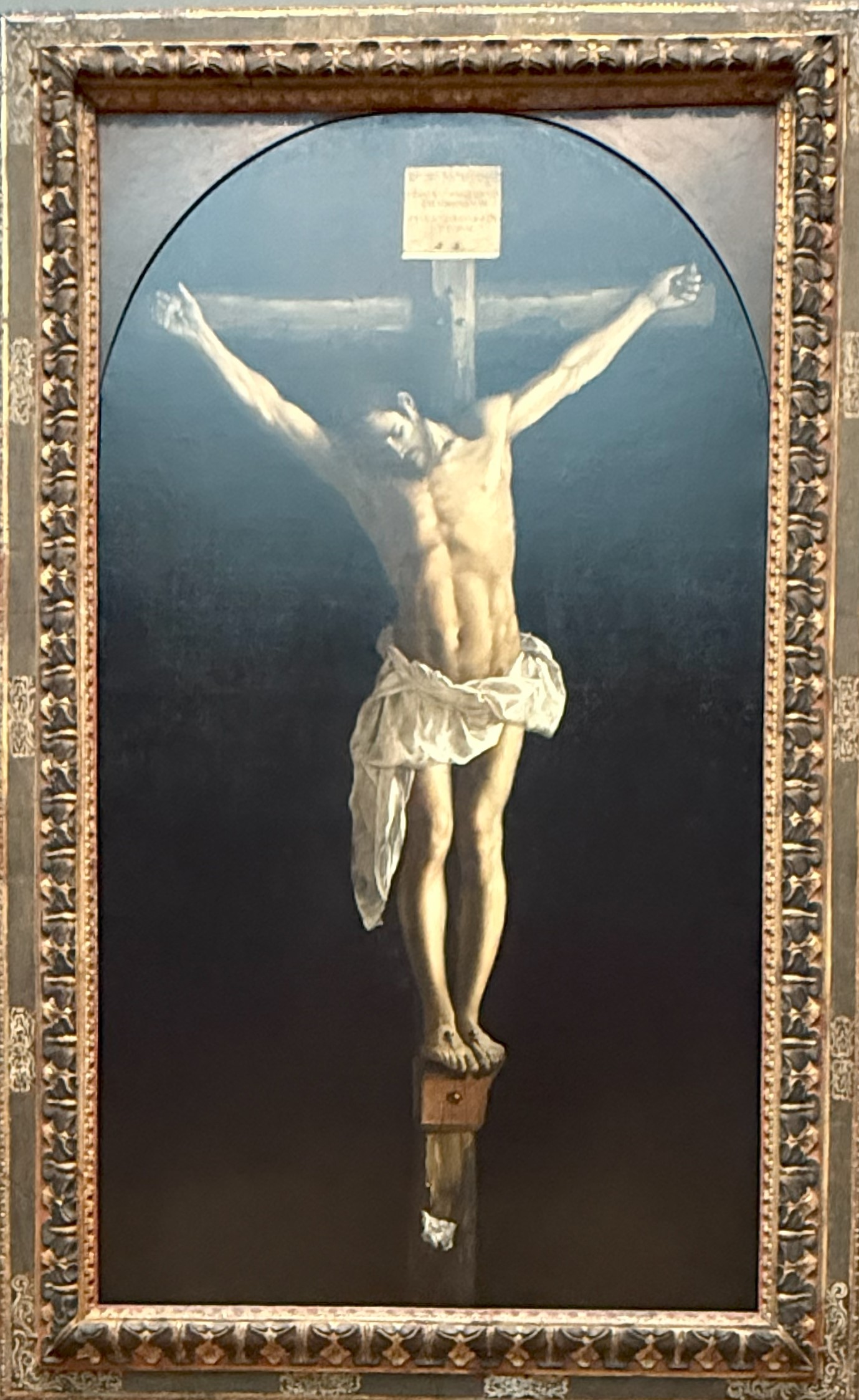
The Crucifixion
“The Crucifixion” (1627) by Francisco de Zurbarán. The black background and amazing detail on Jesus’ body and loin cloth make this painting feel three dimensional. It is unknown if Zurbaran ever saw Caravaggio’s paintings, but looking at this piece, it is hard to believe he had not.
-
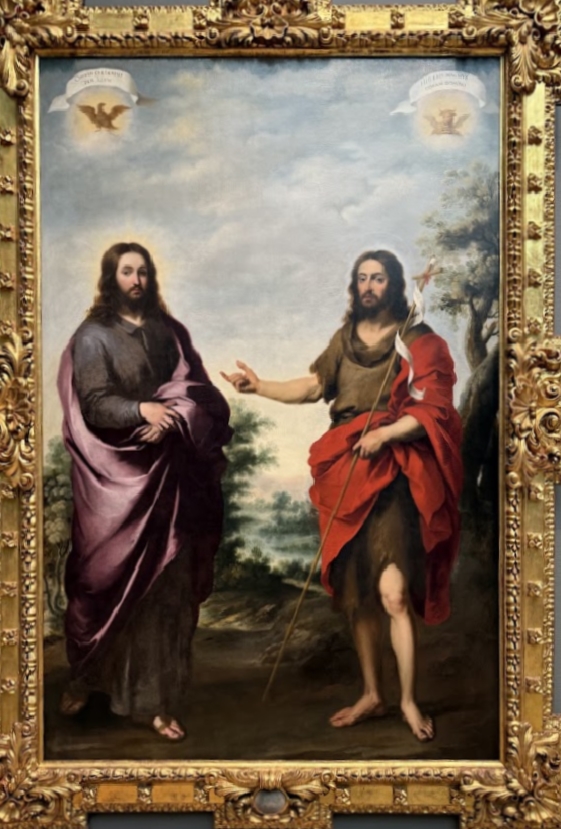
Behold the Lamb of God
Estaban Murillo Ecce Agnes Dei (c.1655) “Behold the Lamb of God” depicts adult John the Baptist and Jesus together. John the Baptist has his traditional iconography of being barefoot with camel skin clothing, staff with cross and red cloak as well as gesturing toward Jesus. Jesus is standing humbly with his purple cloak. It is…
-

Saint John the Baptist in the Wilderness
“Saint John the Baptist in the Wilderness” (c. 1622) by Diego Velázquez. Velázquez is the most famous painter of the Spanish Golden Age and strongly influenced impressionism and realism in the 19th century.Growing up in Seville, Velazquez had not seen Caravaggio’s paintings first hand at the time he painted this piece. It is thought he…
-

Saint Romanus of Antioch and Saint Barulas
Francisco de Zurbarán’s “Saint Romanus of Antioch and Saint Barulas” (1638) depicts the martyr St. Romanus holding his tongue, which his tormentors cut out, while holding a book open to a page that begs God for intercession on behalf of the faithful. Looking up at him is 7 year old St. Barulas who was also…
-

Penitent St. Peter
“Penitent St. Peter” (c.1628) by Jusepe de Ribera. This piece truly captures Saint Peter’s intense sorrow and penitence through his detailed facial expression and teary eyes. Ribera’s masterful use of light and shadow draws attention to the saint’s face and hands, creating a dramatic contrast with the dark background. Pay attention to the symbolic elements,…