Tag: NorthItalianBaroque
-
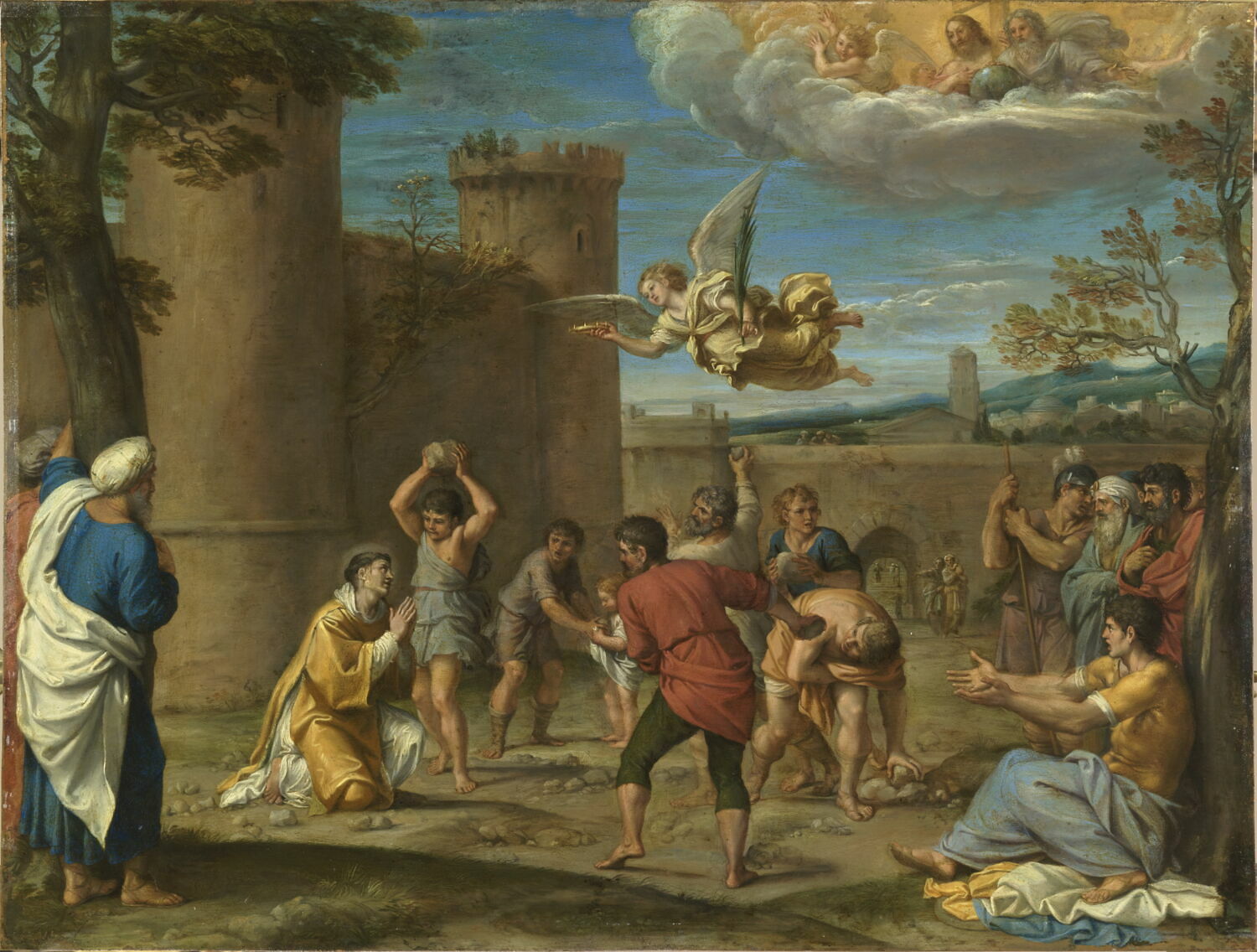
St. Stephen
The Stoning of St. Stephen (c.1603) Annibale Caracci. December 26th is the Feast Day of St. Stephen. St. Stephen is recognized as the protomartyr (first martyr) of Christianity. He was stoned to death outside of the walls of Jerusalem after provoking a crowd. Caracci’s depiction shows what Stephen cried out , “Behold, I see the…
-
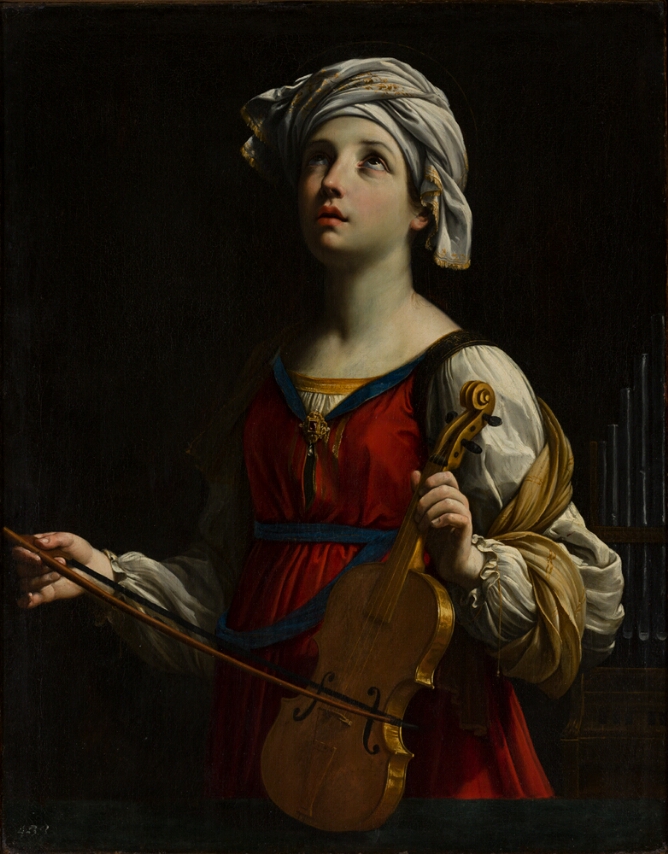
St. Cecilia
St. Cecilia (1606), Guido Reni. November 22nd is the feast day St. Cecilia, Virgin and Martyr.According to early Church tradition, St. Cecilia was born to wealthy pagan parents in Rome in the 3rd century. She dedicated her life to Christ and to serving the poor, fully aware that her faith could cost her her life.…
-
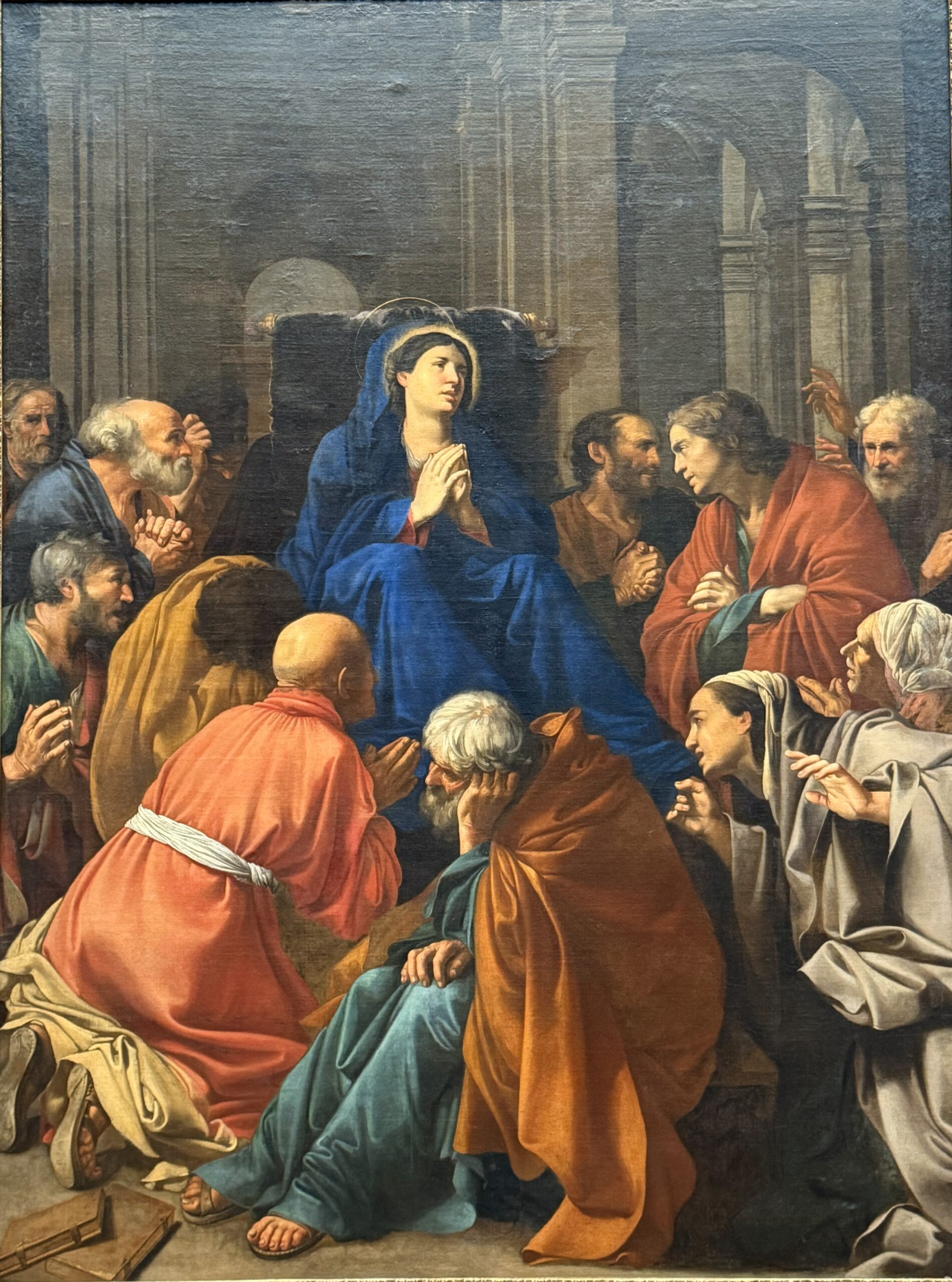
Dormition of the Virgin
Dormition of the Virgin (c1612) Carlo Saraceni. After the Carmelites rejected Caravaggio’s intensely realistic take on the Dormition of the Virgin, Saraceni was commissioned to create a new version. His interpretation draws on Northern Italian influences, with a Renaissance-inspired color palette and carefully arranged figures. Yet the work remains grounded in naturalism and in its…
-

The Vocation of Saint Aloysius Gonzaga
The Vocation of Saint Aloysius Gonzaga (c.1650) Guercino. This beautiful painting captures young Aloysius Gonzaga turned away from wealth and privilege to follow his calling to serve God. Guercino’s use of light and emotion brings to life the saint’s purity and devotion. You can see the angel crowning Aloysius with a wreath crown while his…
-

Immaculate Conception
“Immaculate Conception” (1627) Guido Reni. The gallery label tells us that the Spanish Ambassador in Rome commissioned Reni to paint this for the Infanta of Spain (Infanta refers to the daughter of the king). Eventually the painting was hung in the cathedral of Seville and was extremely influential to Spanish painters, especially Murillo. We highlighted…
-

The Coronation of the Virgin
The Coronation of the Virgin (c.1595) Annibale Carracci. In this painting, the Virgin is depicted being crowned by the Holy Trinity. The Holy Spirit appears above her in the form of a dove, while God the Father and Christ the Son flank her on either side. Carracci’s composition reveals his deep admiration for Renaissance art:…
-

Saint John the Baptist Bearing Witness
Saint John the Baptist Bearing Witness (c.1600) Annibale Caracci. Here we see John the Baptist wearing his usual animal skin clothing and carrying a staff with the cross on top. The saint has turned toward us to direct our attention to a figure in the distance. At first glance, based on the clothing, pose and…
-

Two Children Teasing a Cat
Two Children Teasing a Cat (c.1587) Annibale Caracci. In this lively genre scene, Annibale Carracci captures a mischievous moment as two children play with a clearly irritated cat. A crayfish clamps onto the cat’s ear, adding to its distress, and it seems only a matter of time before the girl’s hand is met with claws.…
-
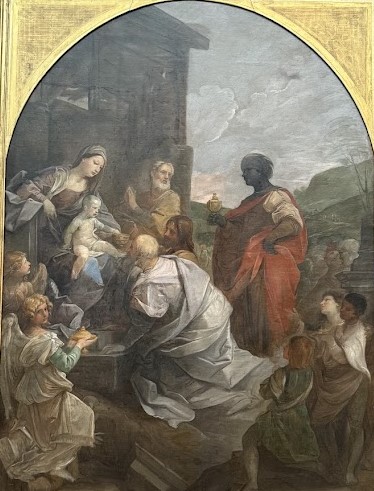
Adoration of the Magi
Adoration of the Magi (1642) by Guido Reni. The museum places this large altarpiece on the opposite wall from Caravaggio’s Crucifixion of St. Andrew. The Reni wall represents his version of idealism, where he draws from nature but enhances it to attempt to achieve an even more perfect representation of the subject. However, this was…