Tag: Mary
-
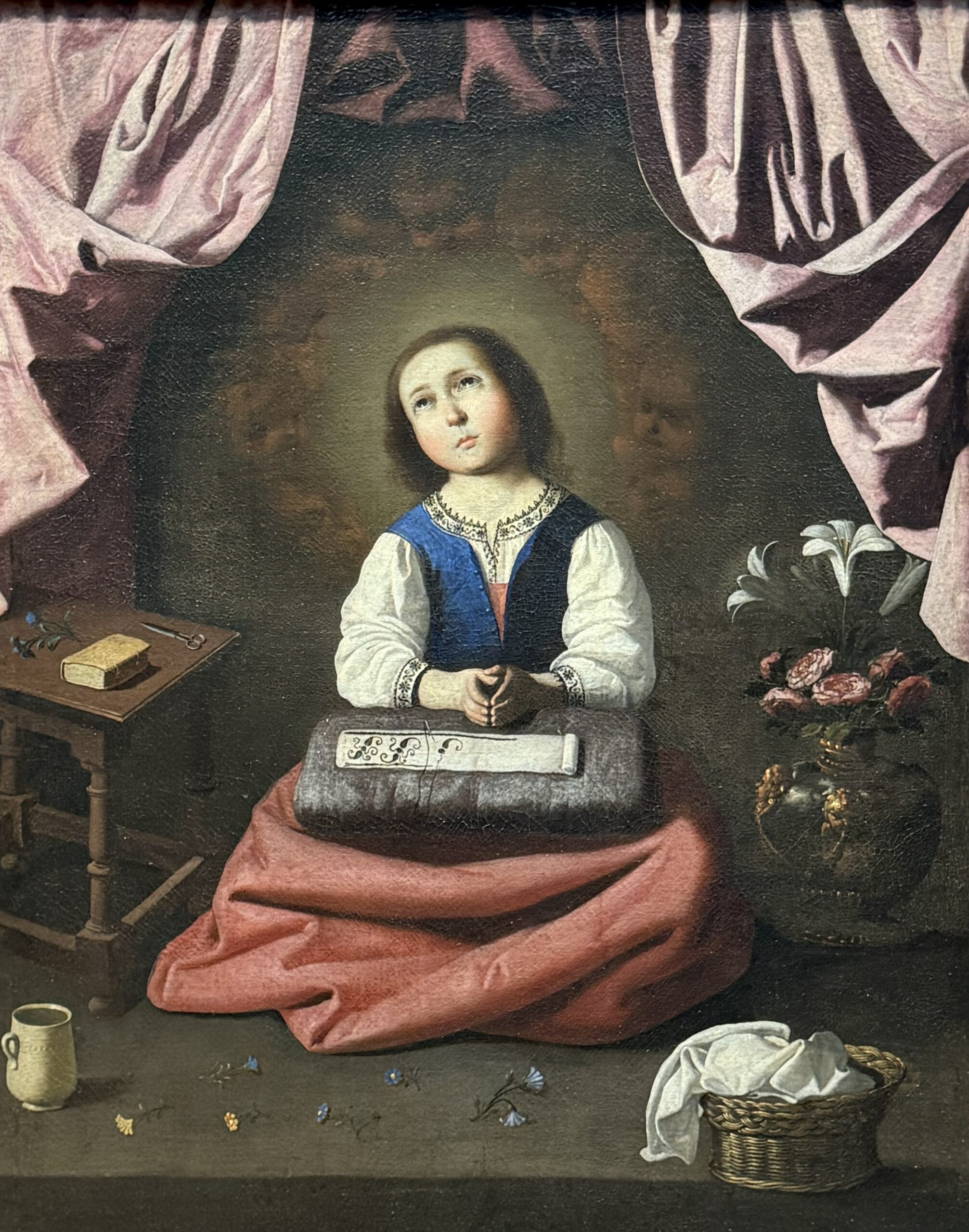
The Young Virgin
The Young Virgin (c.1632) Francisco de Zurbarán. There is so much going on in this painting, I notice something new every time I look at it. First to catch your eye of course is a very young and devout Virgin Mary, reverently turning her eyes up toward heaven. You might notice the light on her…
-
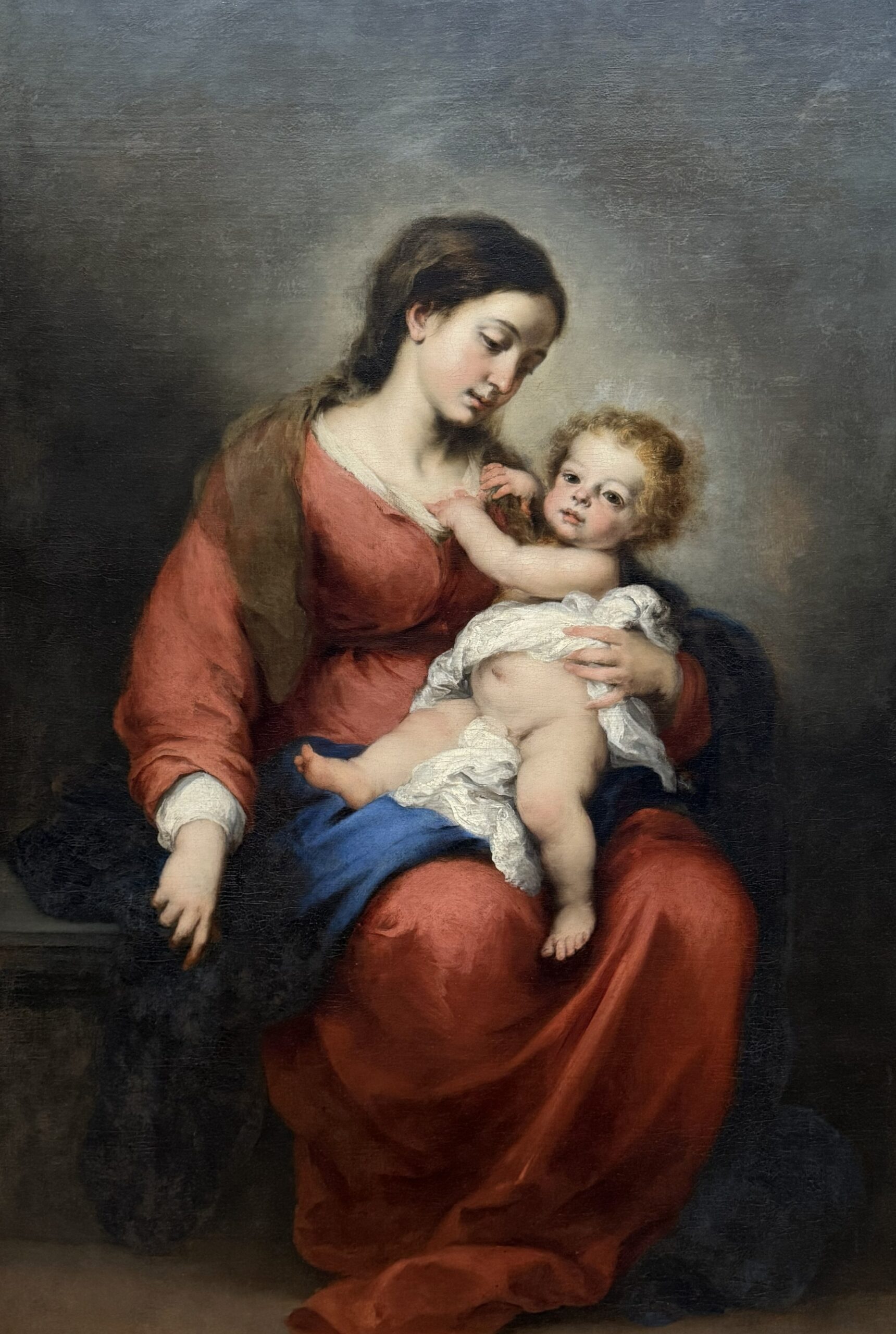
The Solemnity of Mary, The Holy Mother of God
Virgin and Child (c1670) Murillo. January 1st the Catholic church celebrates The Solemnity of Mary, The Holy Mother of God. In this painting, we see the baby Jesus at Mary’s breast and his focus is taken away from his mother for second, perhaps he notices our presence. Mary’s gaze has not left her son, she…
-
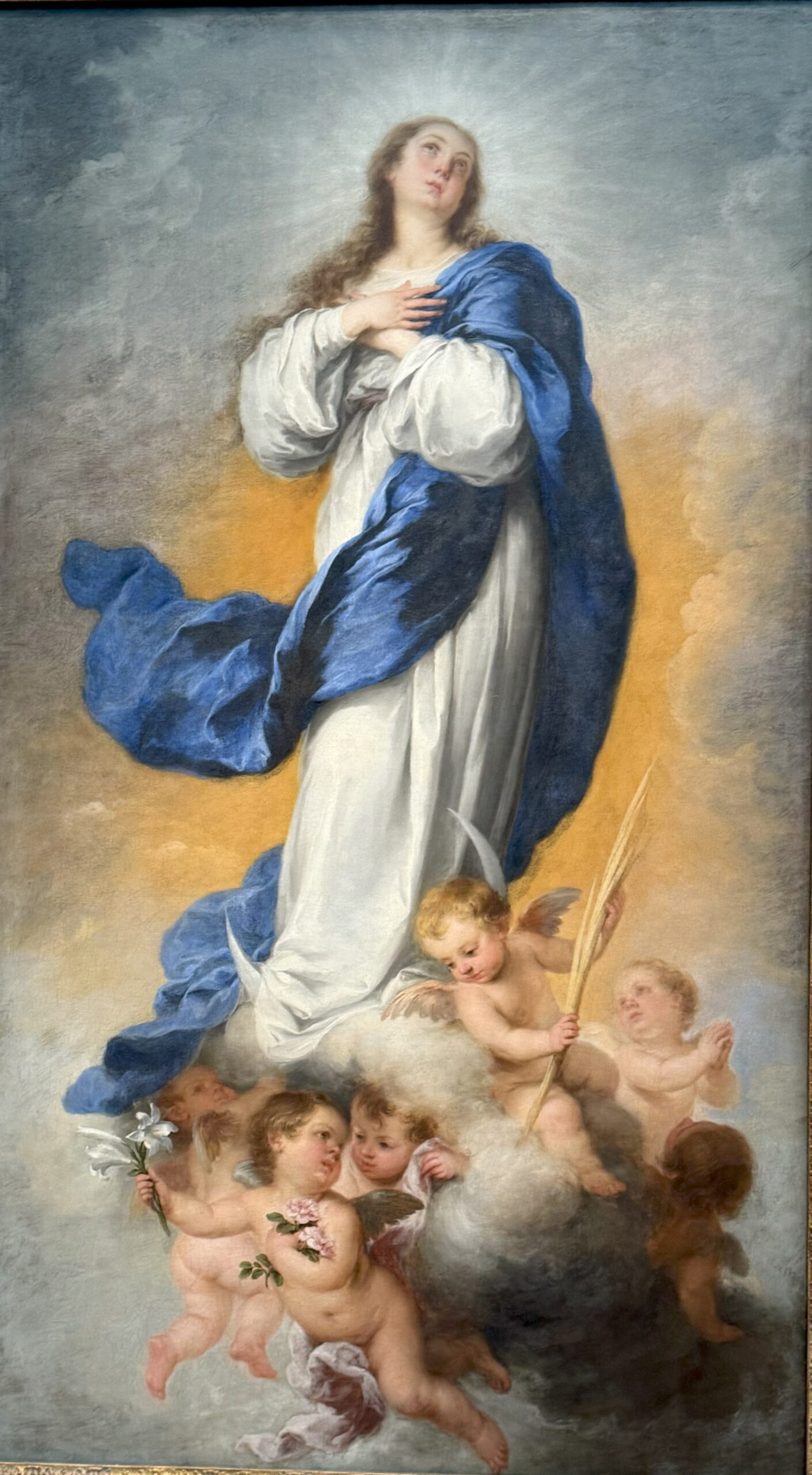
Immaculate Conception
On December 8th, the Catholic Church celebrates the Immaculate Conception of the Blessed Virgin Mary. Under her title of “Immaculate Conception”, Mary was named the Patroness of America in 1846 by the US Bishops. “Immaculate Conception” (c.1680) Murillo skillfully combines symbols from both the Immaculate Conception and the Assumption to convey Mary’s purity and heavenly…
-
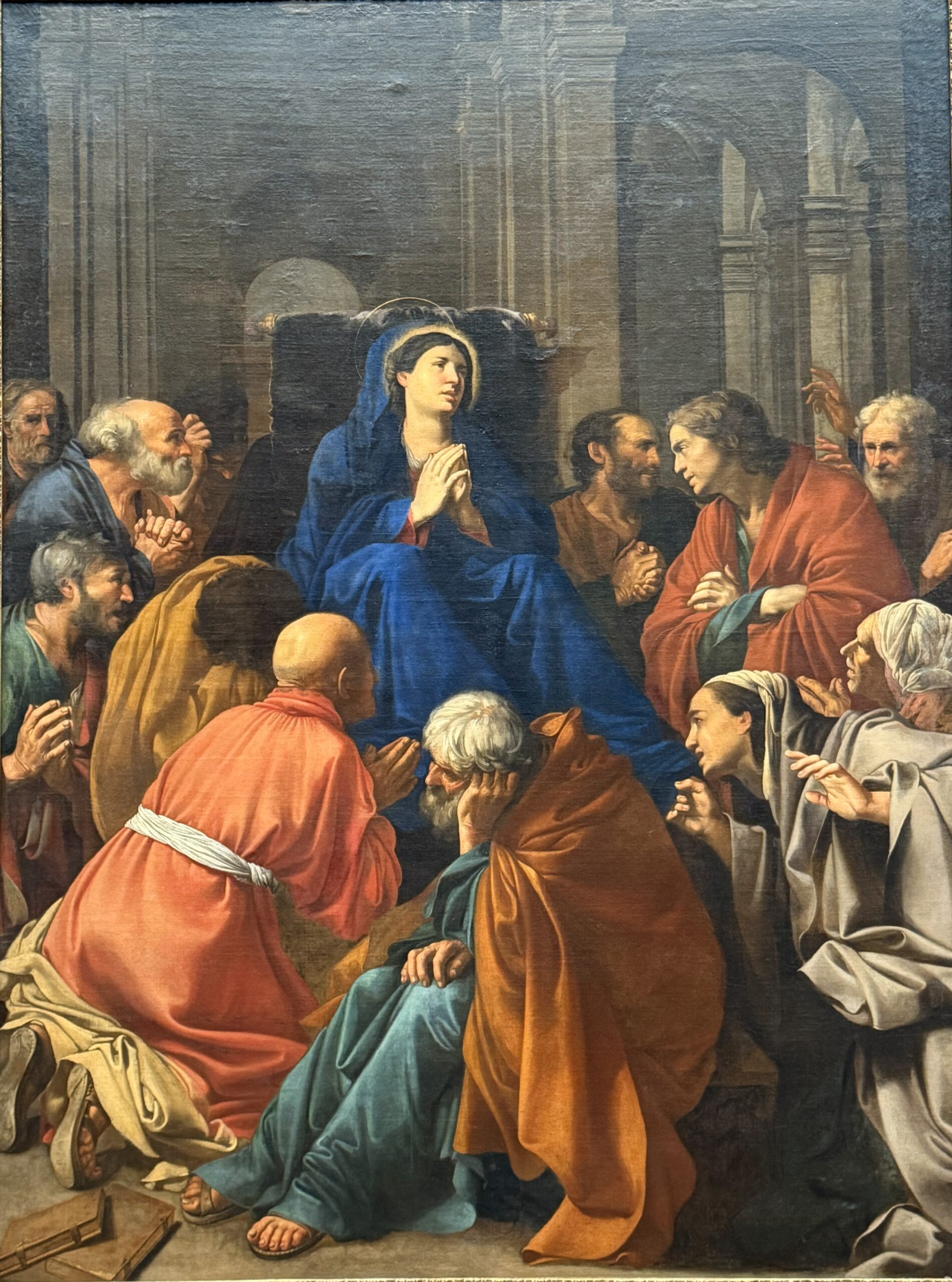
Dormition of the Virgin
Dormition of the Virgin (c1612) Carlo Saraceni. After the Carmelites rejected Caravaggio’s intensely realistic take on the Dormition of the Virgin, Saraceni was commissioned to create a new version. His interpretation draws on Northern Italian influences, with a Renaissance-inspired color palette and carefully arranged figures. Yet the work remains grounded in naturalism and in its…
-
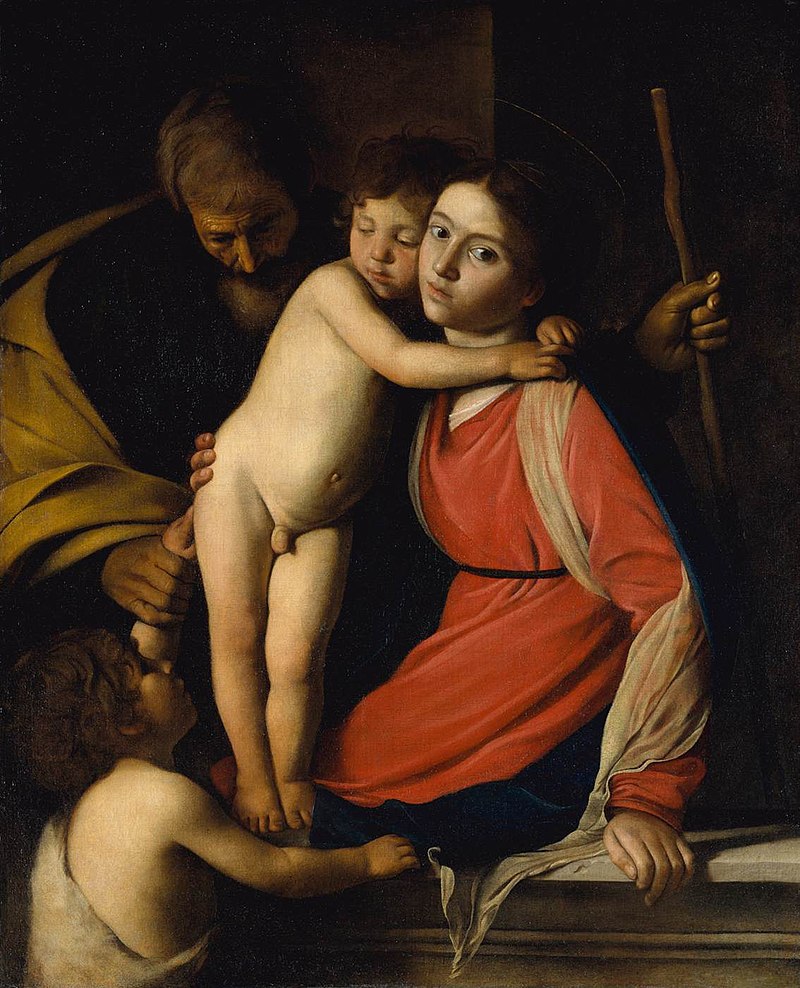
The Holy Family with the Infant St. John the Baptist
The Holy Family with the Infant St. John the Baptist (c.1600) Caravaggio. The attribution to Caravaggio is not universally agreed upon by Caravaggio scholars. However, The Met attributes it to Caravaggio and I’m not in a position to argue. It is disappointing that there is very little written about the piece on the Met’s website…
-

Immaculate Conception
“Immaculate Conception” (1627) Guido Reni. The gallery label tells us that the Spanish Ambassador in Rome commissioned Reni to paint this for the Infanta of Spain (Infanta refers to the daughter of the king). Eventually the painting was hung in the cathedral of Seville and was extremely influential to Spanish painters, especially Murillo. We highlighted…
-

The Coronation of the Virgin
The Coronation of the Virgin (c.1595) Annibale Carracci. In this painting, the Virgin is depicted being crowned by the Holy Trinity. The Holy Spirit appears above her in the form of a dove, while God the Father and Christ the Son flank her on either side. Carracci’s composition reveals his deep admiration for Renaissance art:…
-
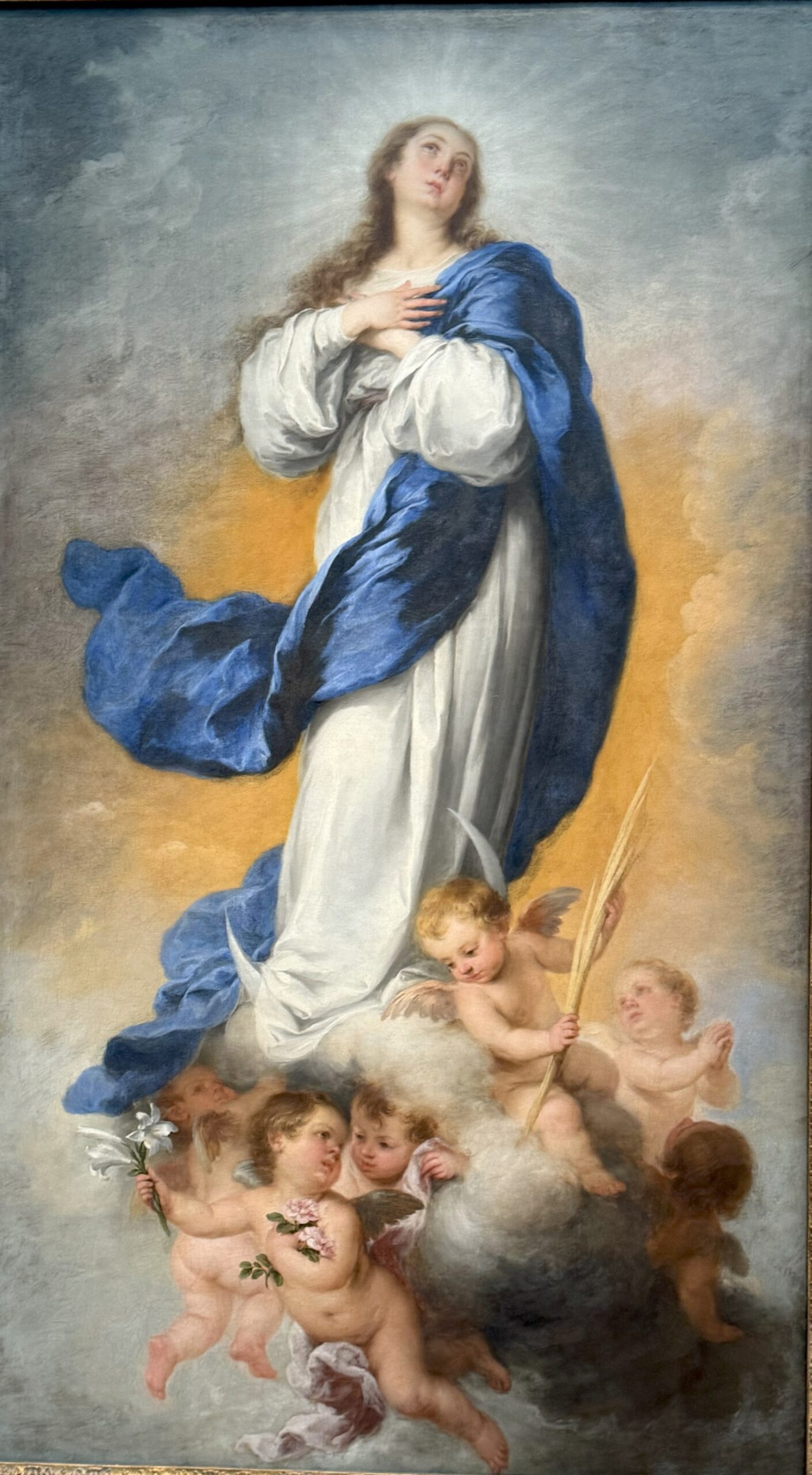
Immaculate Conception
“Immaculate Conception” (c.1680) Murillo skillfully combines symbols from both the Immaculate Conception and the Assumption to convey Mary’s purity and heavenly exaltation. Symbols of the Immaculate Conception include the crescent moon under her feet, referencing Revelation 12:1 and her triumph over sin; lilies, symbolizing her purity and perpetual virginity; and roses, representing her spiritual beauty…
-
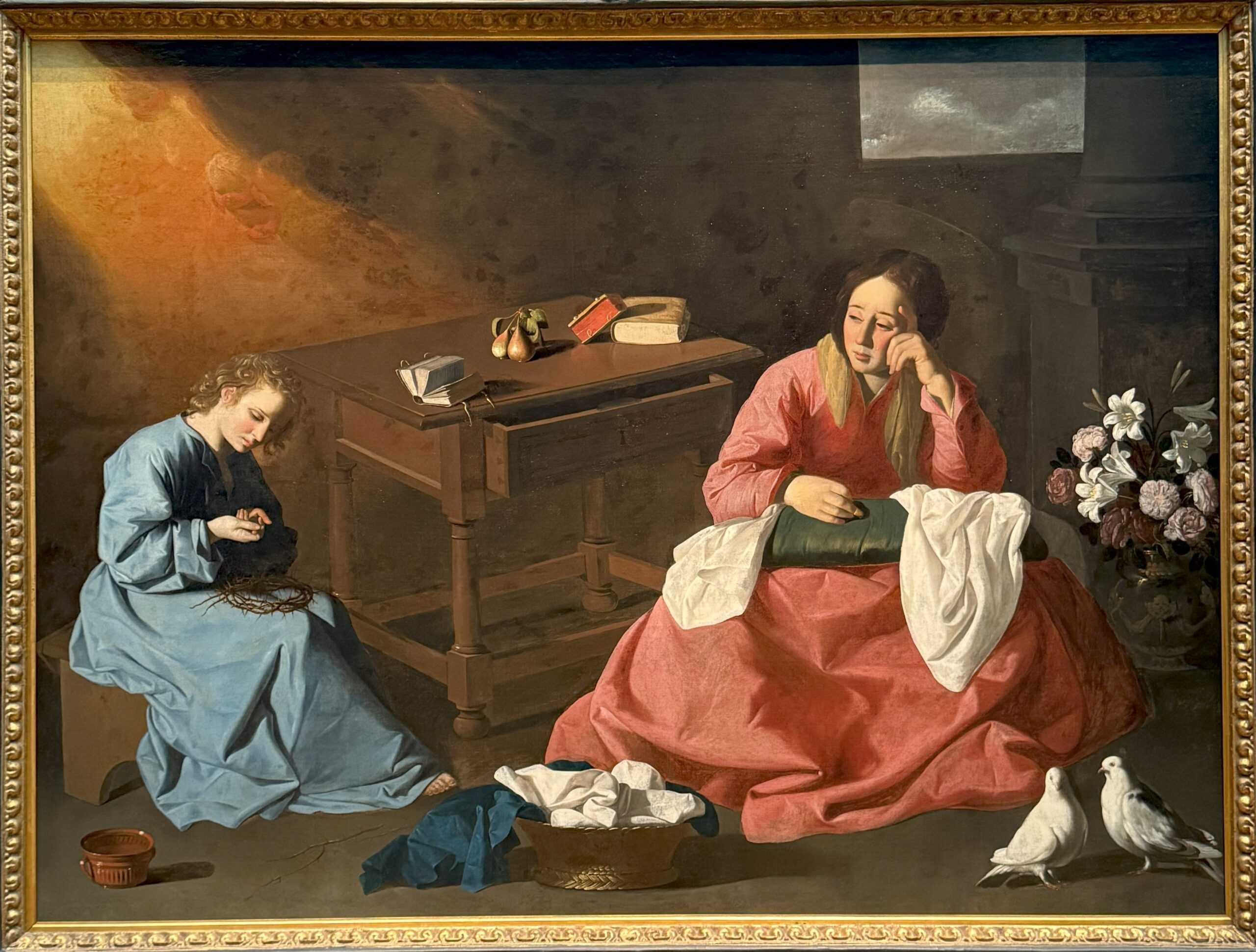
Christ and the Virgin in the House at Nazareth
Christ and the Virgin in the House at Nazareth (c.1640) Francisco de Zurbarán. We see an adolescent Jesus crafting a crown of thorns and pricking his finger as Mary sorrowfully observes him; in deep contemplation of his inevitable fate. Jesus is illuminated by a bright light from the top left of the painting, close observation…
-
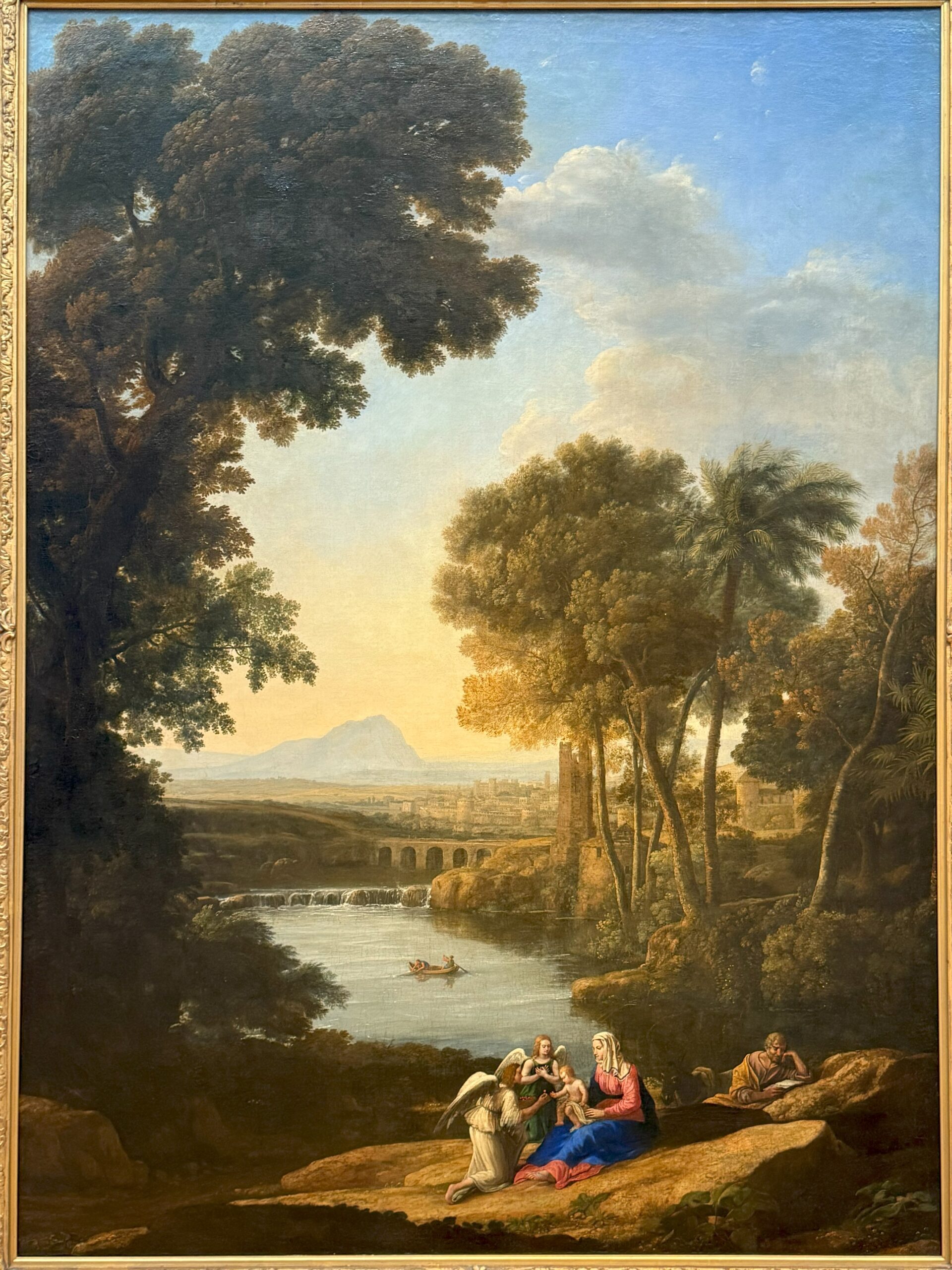
Rest on the Flight from Egypt
Rest on the Flight from Egypt (c.1640) Claude Lorrain. Lorrain is known as one of the first purely landscape painters of Baroque era. Lorrain wasn’t interested in painting things exactly as they exist in front of him, he preferred to improve upon what was naturally possible to create an idyllic scene. Like many Baroque artists,…