Tag: FrenchBaroque
-
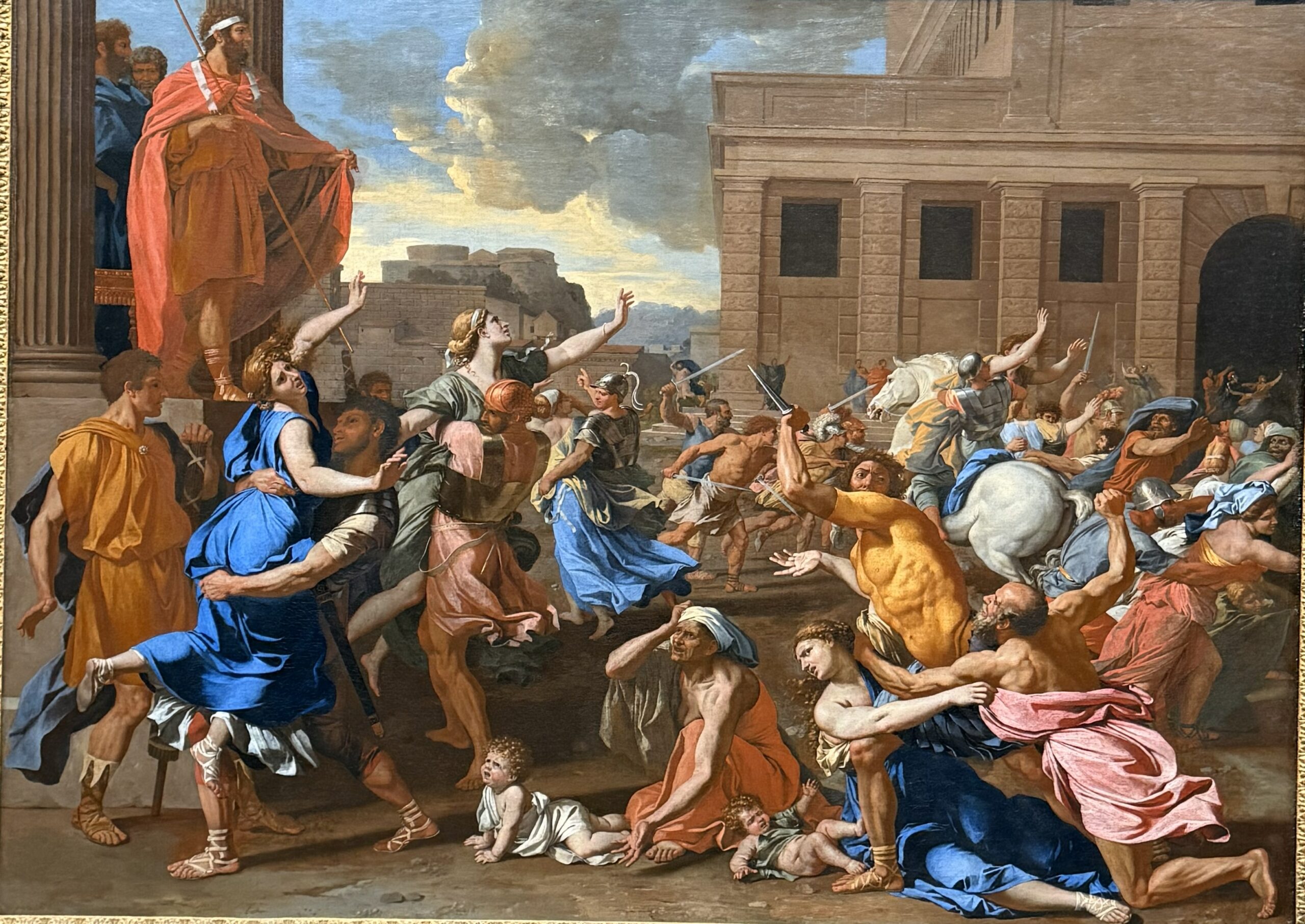
Abduction of the Sabine Women
The Abduction of the Sabine Women (c1633) Nicolas Poussin. This painting is considered foundational for the French Classical style (I like to call French Baroque to keep it simple). Poussin spent most of his career in Rome and was in love with antiquity, that is, that ancient world of Greece and Rome, their statues, columns…
-
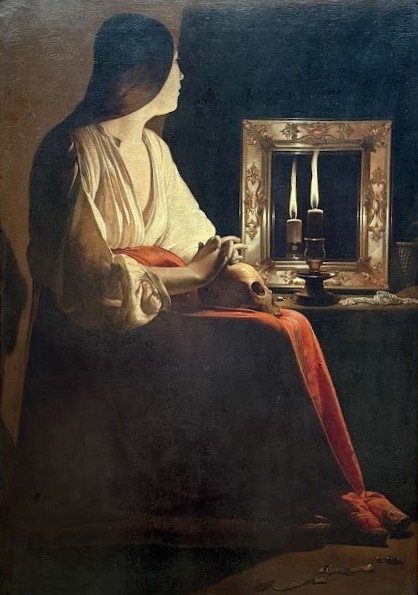
Penitent Magdalen
The Penitent Magdalen (c.1640) Georges de La Tour. La Tour’s Penitent Magdalen offers a quieter, more meditative vision of repentance. Stripped of excess, the scene centers on contemplation, marked by familiar symbols: the mirror of vanity, the skull of mortality, and abandoned jewelry – pleasure exchanged for piety. The Met notes this is one of…
-
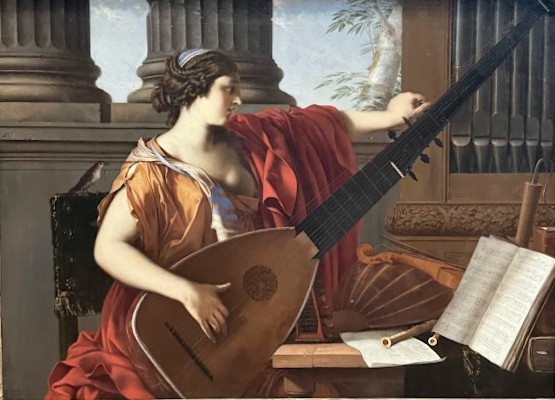
Allegory of Music
Allegory of Music (1649) Laurent de La Hyre. La Hyre was a highly influential Parisian artist and one of the founding members of the Royal Academy of Painting and Sculpture, a state sponsored academy that had full control over that was deemed “Good Art” from the Mid-17th century until the early 19th century. This is…
-
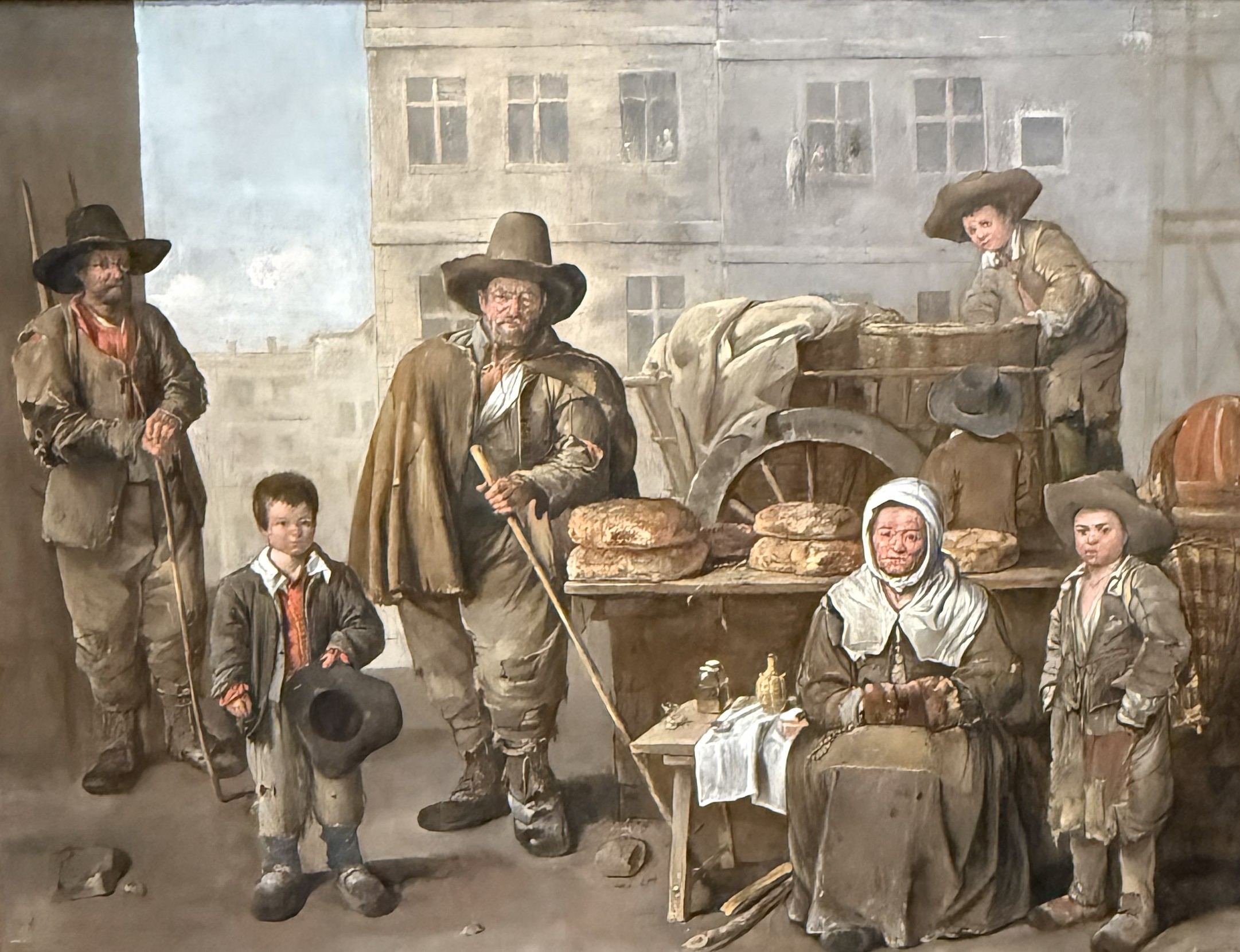
The Baker’s Cart
The Baker’s Cart (1656) Jean Michelin. At first glance, I assumed this was another LeNain peasant painting. I was surprised to see that it was Jean Michelin, an artist that I have not encountered yet. The gallery card says that Michelin liked to pose peasants with dignity similarly to the LeNain brothers, but he did…
-
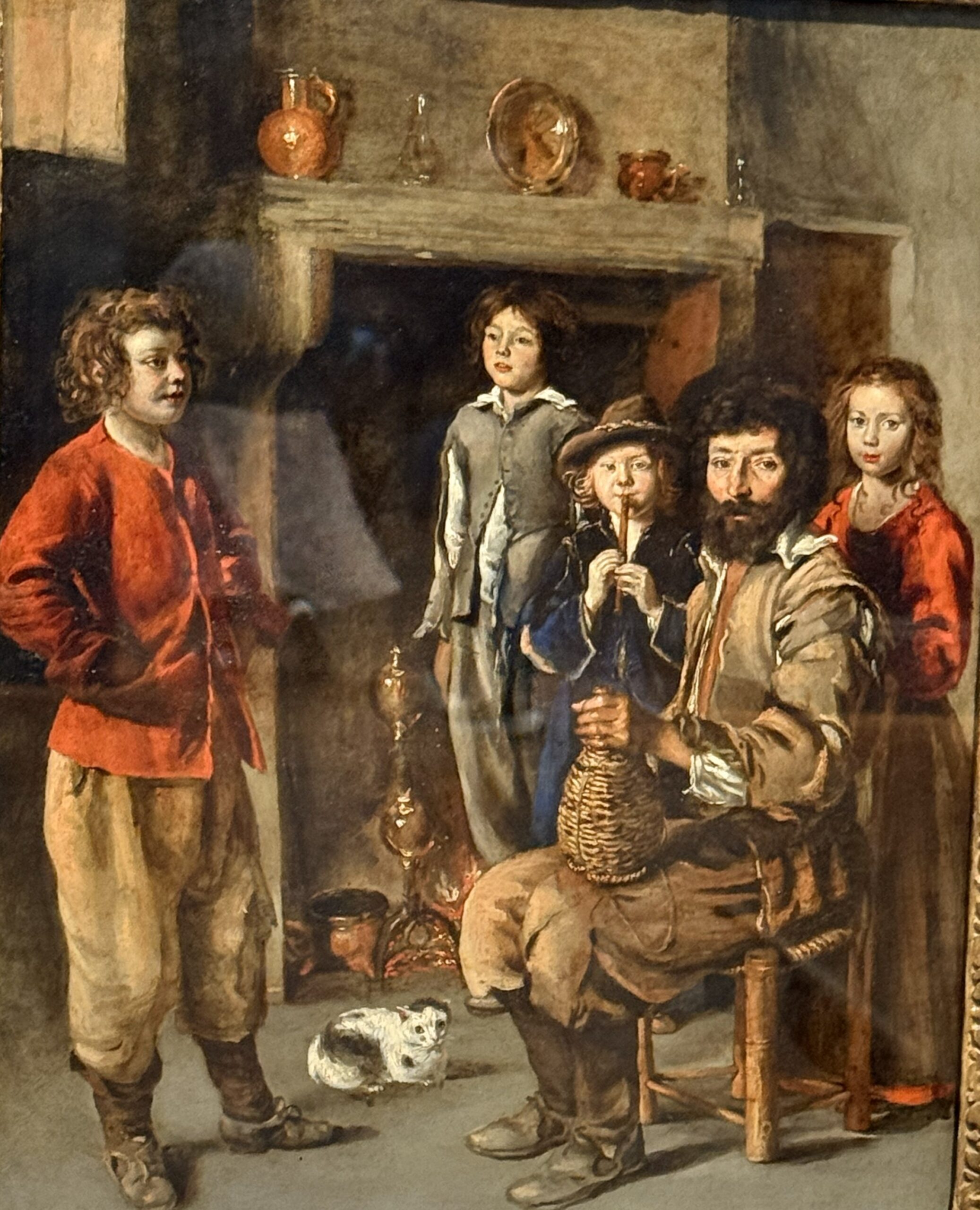
A Peasant Family
A Peasant Family (c.1640) Antione LeNain. This is an interesting piece in the LeNain oeuvre as it shows a posed family indoors wearing what I’ll call upper-class peasant wear. They have on leather shoes and colorful jackets, and look a little better fed than the typical LeNain peasant painting. Comparing the clothing in the painting…
-
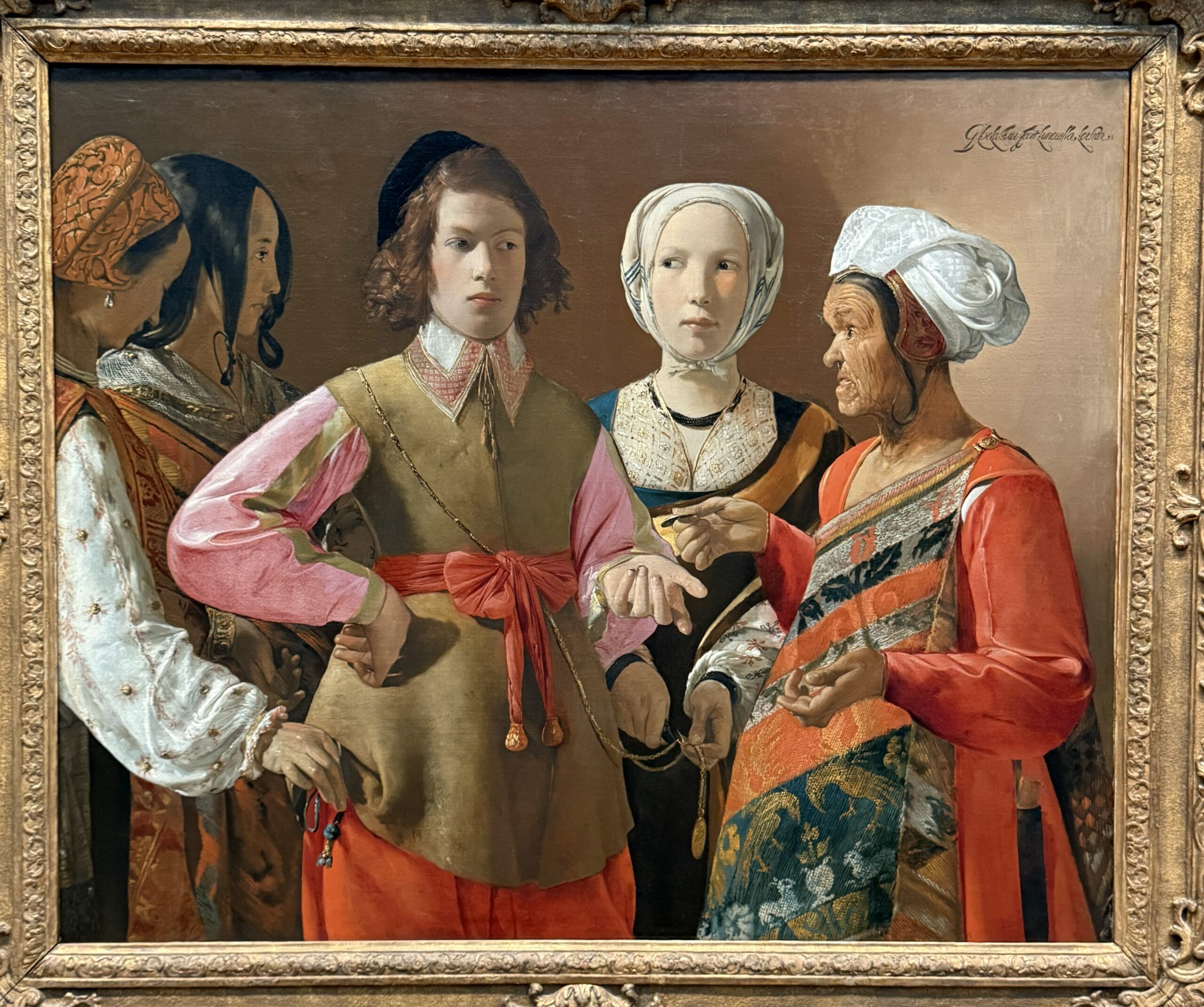
The Fortune Teller
The Fortune Teller (c.1630) Georges De La Tour. The well dressed young man is hoping to gain something from having his fortune read. Instead, he is going to lose some of his valuable possessions. La Tour is cautioning us to not trust false wisdom, for it can lead to downfall.
-
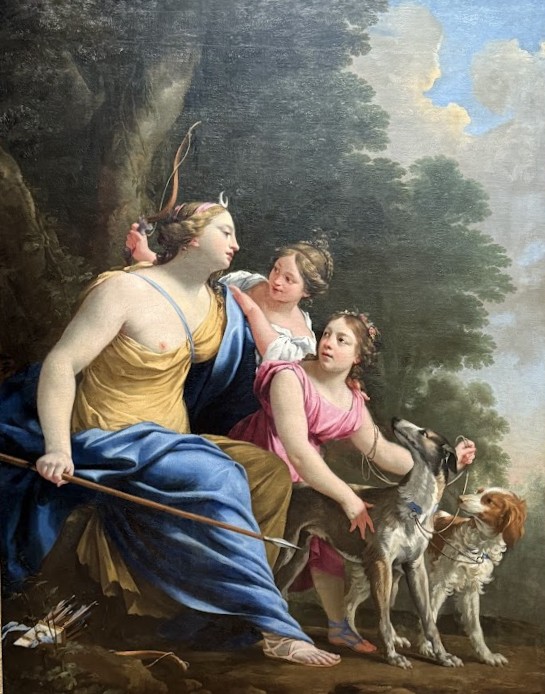
Diana Leaving for the Hunt
Diana Leaving for the Hunt (c.1635) Simon Vouet. I had to do a double take when I saw this painting for the first time at the @meteuropeanpaintings when I saw that the painting was by Vouet as this looks nothing like his work during his time in Rome. Vouet presents an idealized vision of the goddess and…
-
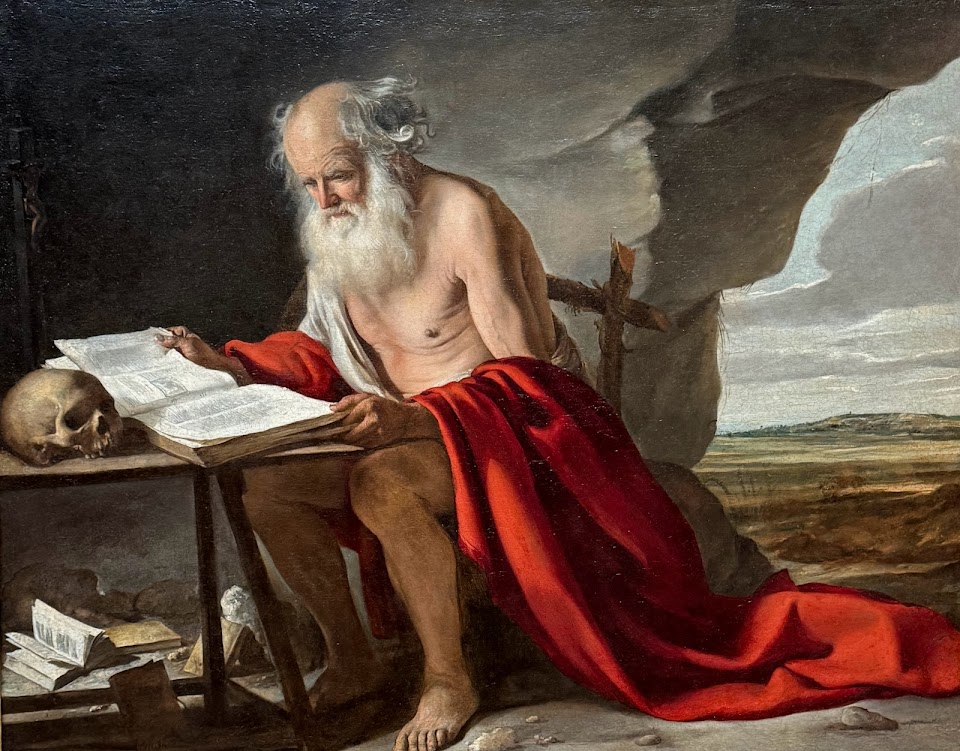
Feast of St. Jerome
St.Jerome (c.1642) LeNain Brothers. The Catholic church celebrates September 30th as the feast day of St. Jerome, priest and Doctor of the Church. St. Jerome was a 4th-century priest, theologian, and Doctor of the Church, best known for his translation of the Bible into Latin, known as the Vulgate. Born around 347 in Stridon (in…
-
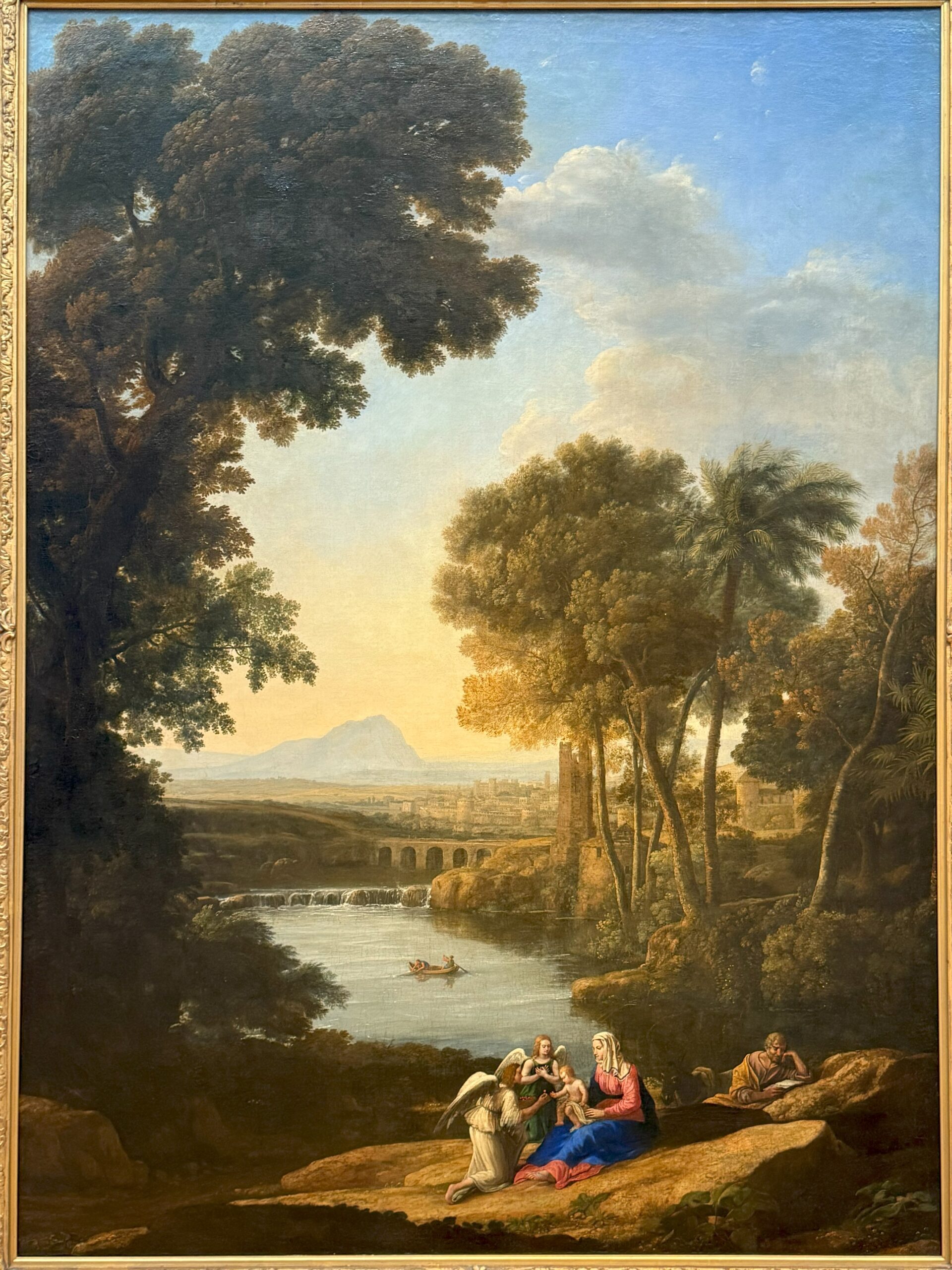
Rest on the Flight from Egypt
Rest on the Flight from Egypt (c.1640) Claude Lorrain. Lorrain is known as one of the first purely landscape painters of Baroque era. Lorrain wasn’t interested in painting things exactly as they exist in front of him, he preferred to improve upon what was naturally possible to create an idyllic scene. Like many Baroque artists,…