Tag: Caravaggio
-
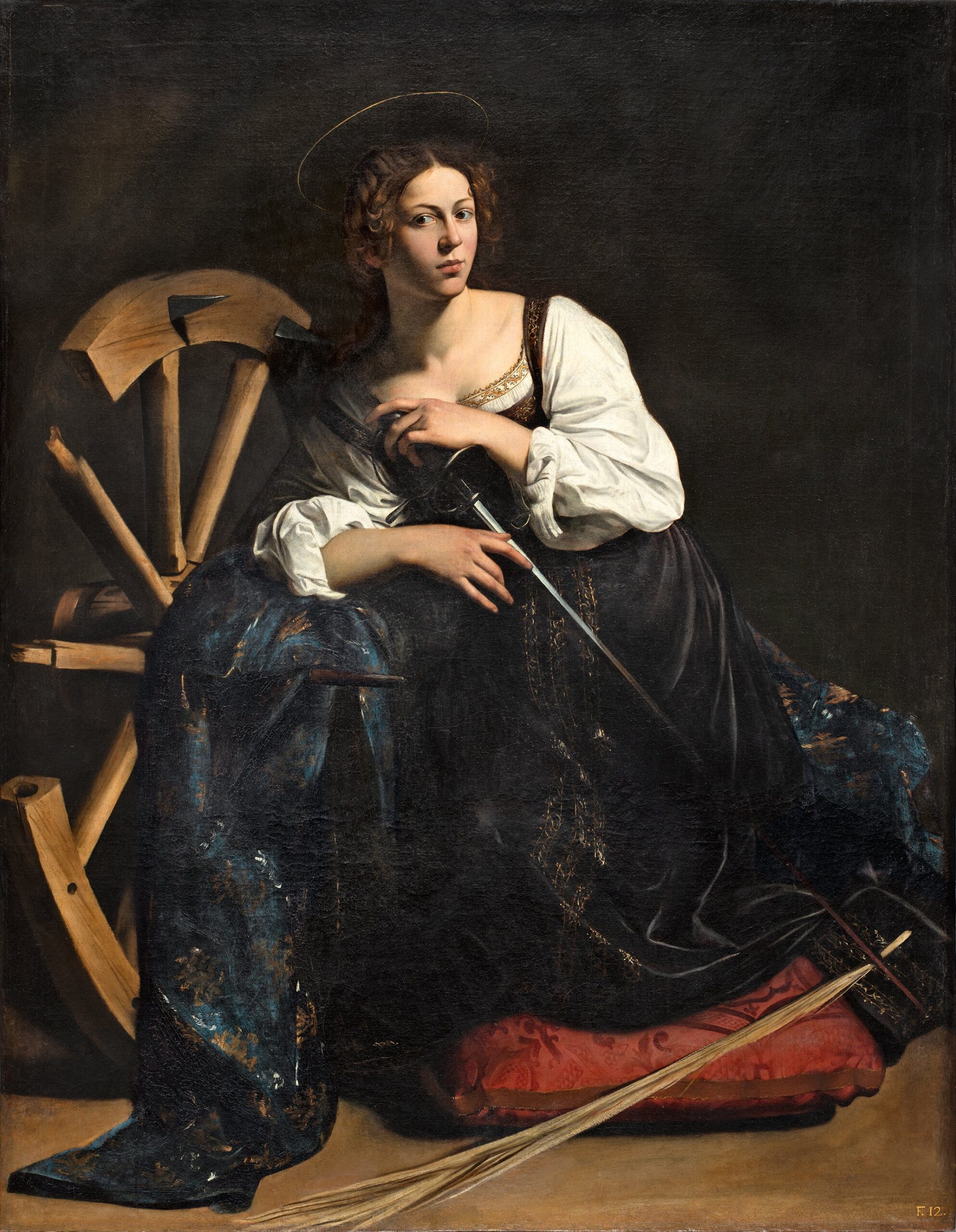
St. Catherine of Alexandria
St. Catherine of Alexandria (1597), Caravaggio.November 25th is the feast of St. Catherine of Alexandria—an excellent occasion to share this Caravaggio masterpiece. He painted it at the request of Cardinal Del Monte, whose mother was named Catherine. My own grandmother was also a Catherine (with a “C”), and I like to think she would have…
-
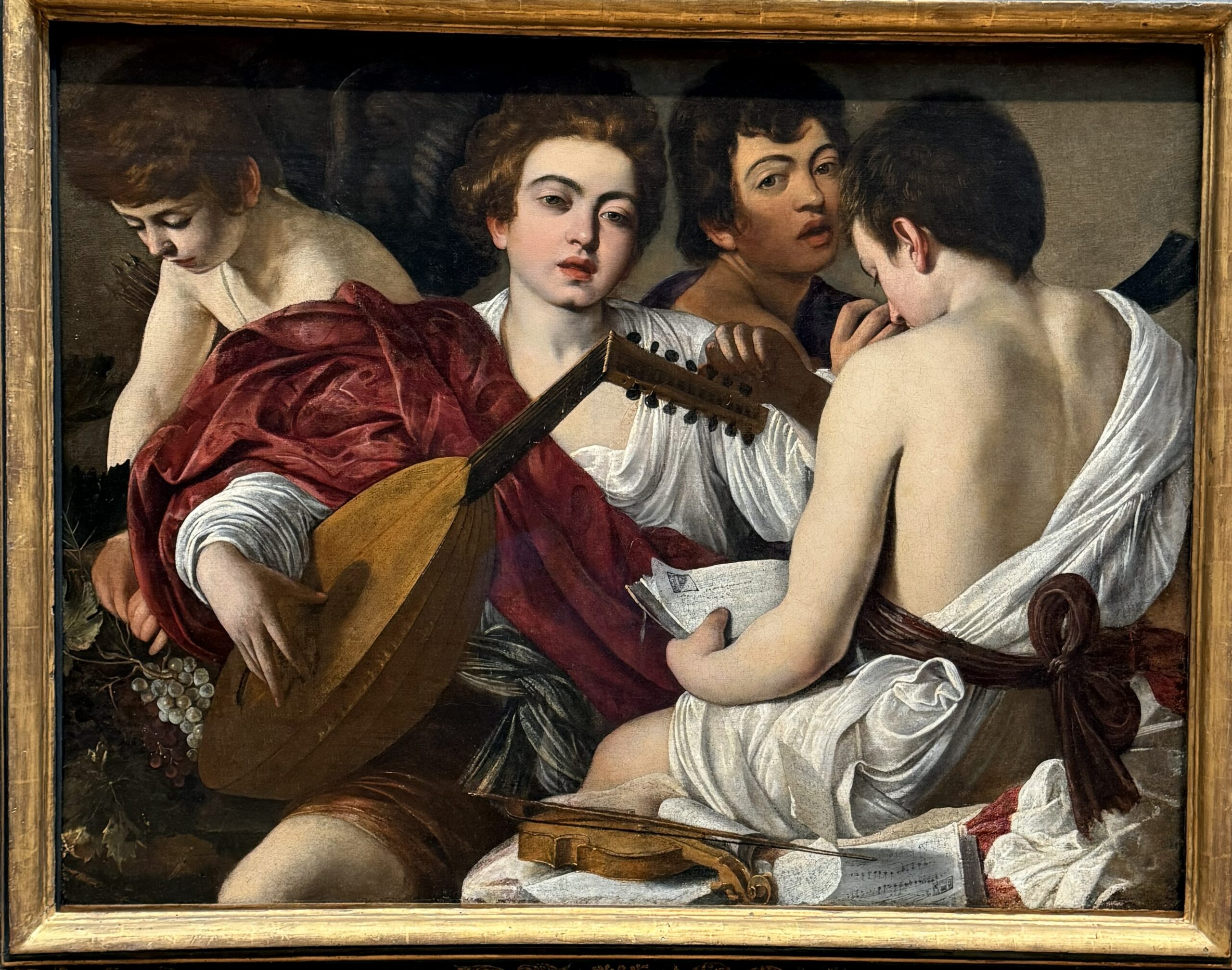
The Musicians
The Musicians (c.1597) Caravaggio. On the surface, we seem to be interrupting three musicians in a cramped room, warming up before a performance. Beside them, a young Cupid divides a bunch of grapes, perhaps to share as a pre-concert snack. Painted for Cardinal Del Monte, a devoted patron and lover of the arts, the scene…
-
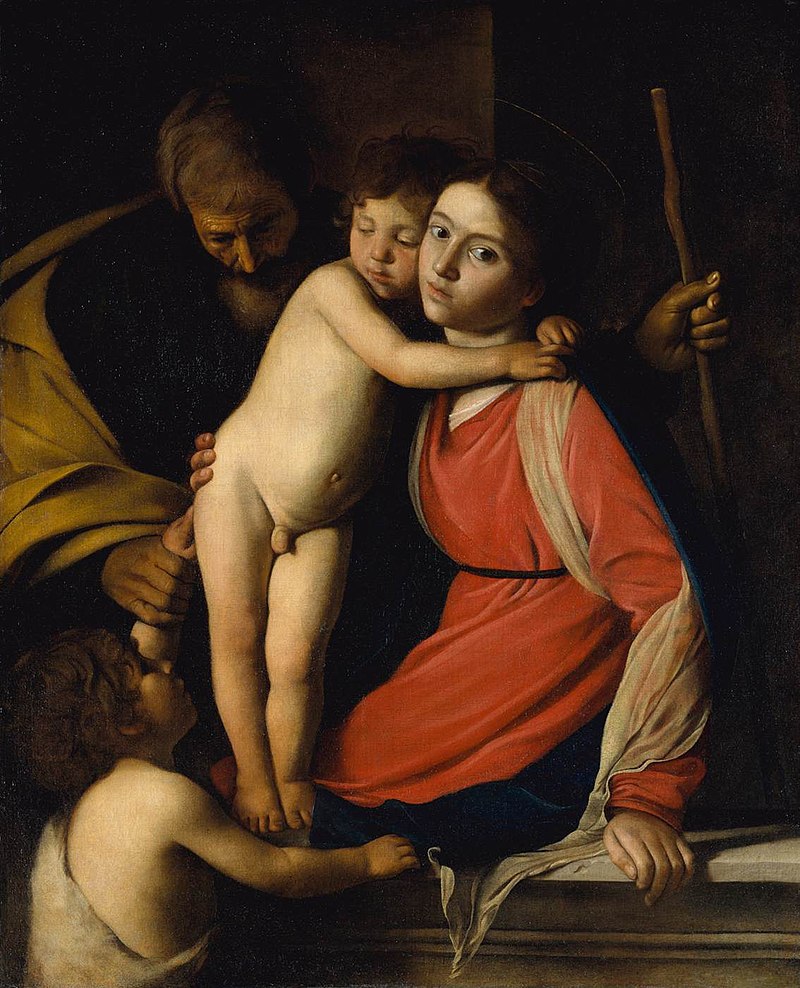
The Holy Family with the Infant St. John the Baptist
The Holy Family with the Infant St. John the Baptist (c.1600) Caravaggio. The attribution to Caravaggio is not universally agreed upon by Caravaggio scholars. However, The Met attributes it to Caravaggio and I’m not in a position to argue. It is disappointing that there is very little written about the piece on the Met’s website…
-
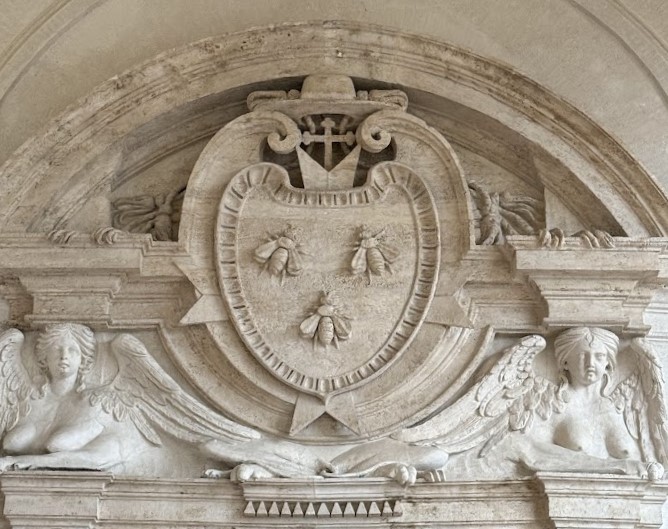
The Galleria Nazionale d’Arte Antica at Palazzo Barberini
Overview The Galleria Nazionale d’Arte Antica at Palazzo Barberini in Rome is a treasure trove of art from the 13th to the 18th centuries. Housed in a stunning Baroque palace designed by Carlo Maderno, Gian Lorenzo Bernini, and Francesco Borromini, the gallery showcases masterpieces by artists like Caravaggio, Raphael, and Titian. Originally the Barberini family’s…
-
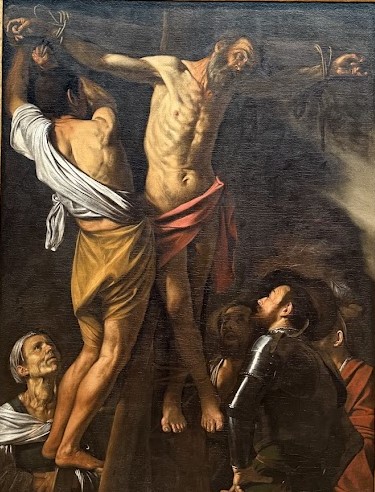
The Crucifixion of St. Andrew
Caravaggio’s “The Crucifixion of St. Andrew” stands out prominently among the works in the room at the Cleveland Museum of Art. Acquired by the museum in 1976, the painting had only recently been attributed to Caravaggio. After disappearing from historical records in 1653, it resurfaced centuries later in a convent in Spain and was published…
-

Martha and Mary
In keeping with the theme of Martha and Mary of Bethany, we take another look on Caravaggio’s amazing Martha and Mary Magdalene (1598). This piece is typically interpreted as the moment that Mary Magdalene turns away from her life of sin as a prostitute and embraces God as her sister Martha pleads with her. Today,…
-

Ecstasy of St. Francis
Giovanni Baglione’s “Ecstasy of St. Francis.” (1601). In this painting we see St. Francis reaching a state of ecstasy after deep meditation on Jesus’ cross and crown of thorns. Luckily for St. Francis, an angel catches him as he falls backward. Baglione portrays this moment in time with the expression of spiritual rapture on St. Francis’s…
-
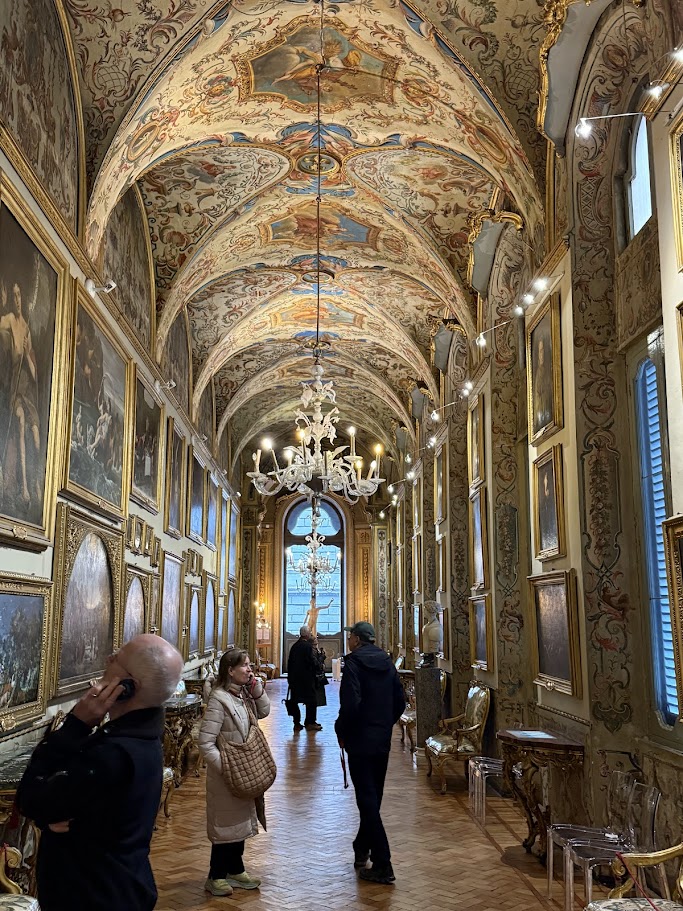
Galleria Doria Pamphilj
Overview The Galleria Doria Pamphilj in Rome is a fascinating private art collection, open to the public, housed in the grand Palazzo Doria Pamphilj. It features an impressive array of masterpieces by renowned artists like Caravaggio, Velázquez, and Carracci. The gallery is known for its richly decorated rooms and historical significance, offering visitors a glimpse…
-
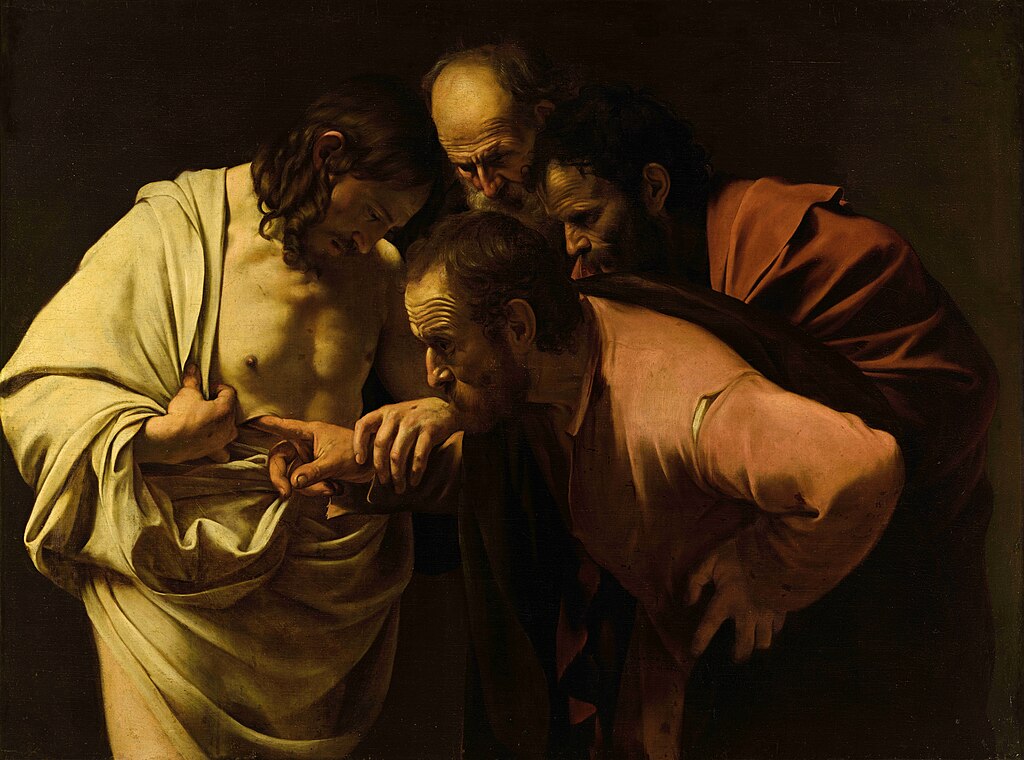
Incredulity of Saint Thomas
“Put your finger here; see my hands. Reach out your hand and put it into my side. Stop doubting and believe.” (John 20:27). With the “Incredulity of Saint Thomas” (1602), Caravaggio gives us the most visceral representation of the Risen Christ’s physical body that’ve I’ve ever encountered. There are no halos, Jesus isn’t floating or…
-
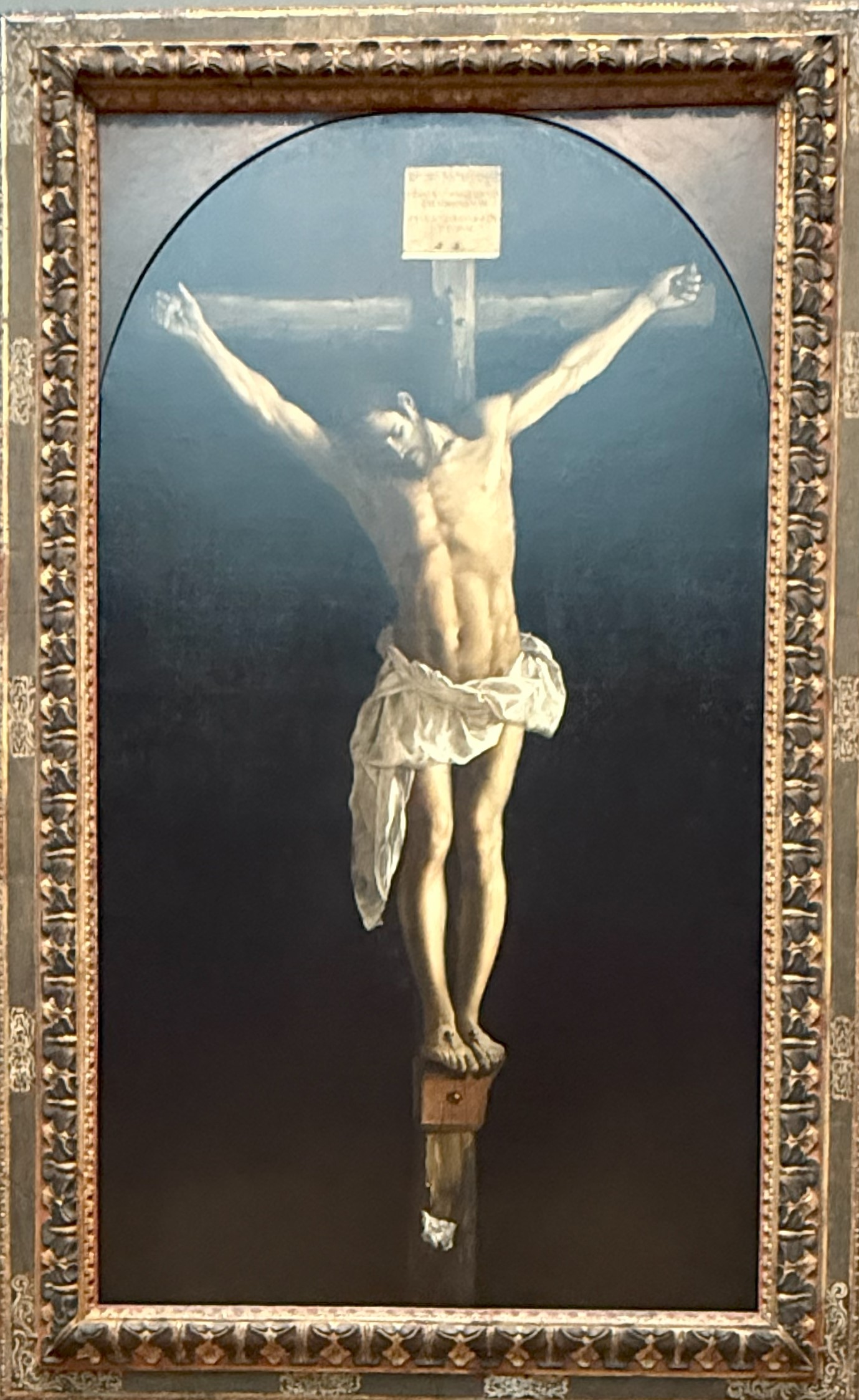
Holy Saturday
On this Holy Saturday, the Baroque Art Accessibility Consortium takes a look at some of moving and inspirational pieces of Jesus’ Passion and Resurrection. In room 211 at the @artinstitutechi you will find back on display this breathtaking piece by Francisco de Zurbarán. “The Crucifixion” (1627). The black background and amazing detail on Jesus’ body and loin…