Category: Location
-
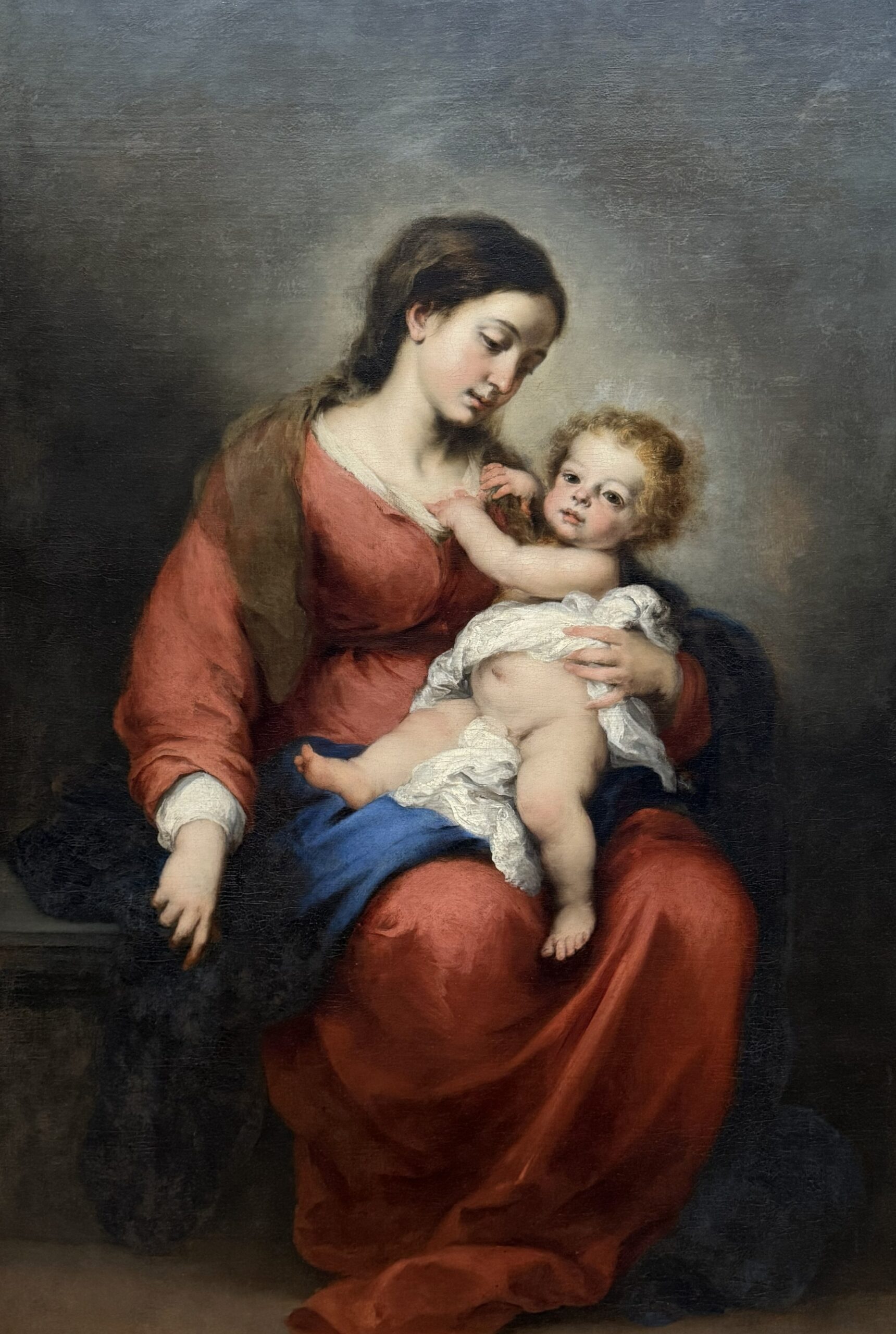
The Solemnity of Mary, The Holy Mother of God
Virgin and Child (c1670) Murillo. January 1st the Catholic church celebrates The Solemnity of Mary, The Holy Mother of God. In this painting, we see the baby Jesus at Mary’s breast and his focus is taken away from his mother for second, perhaps he notices our presence. Mary’s gaze has not left her son, she…
-
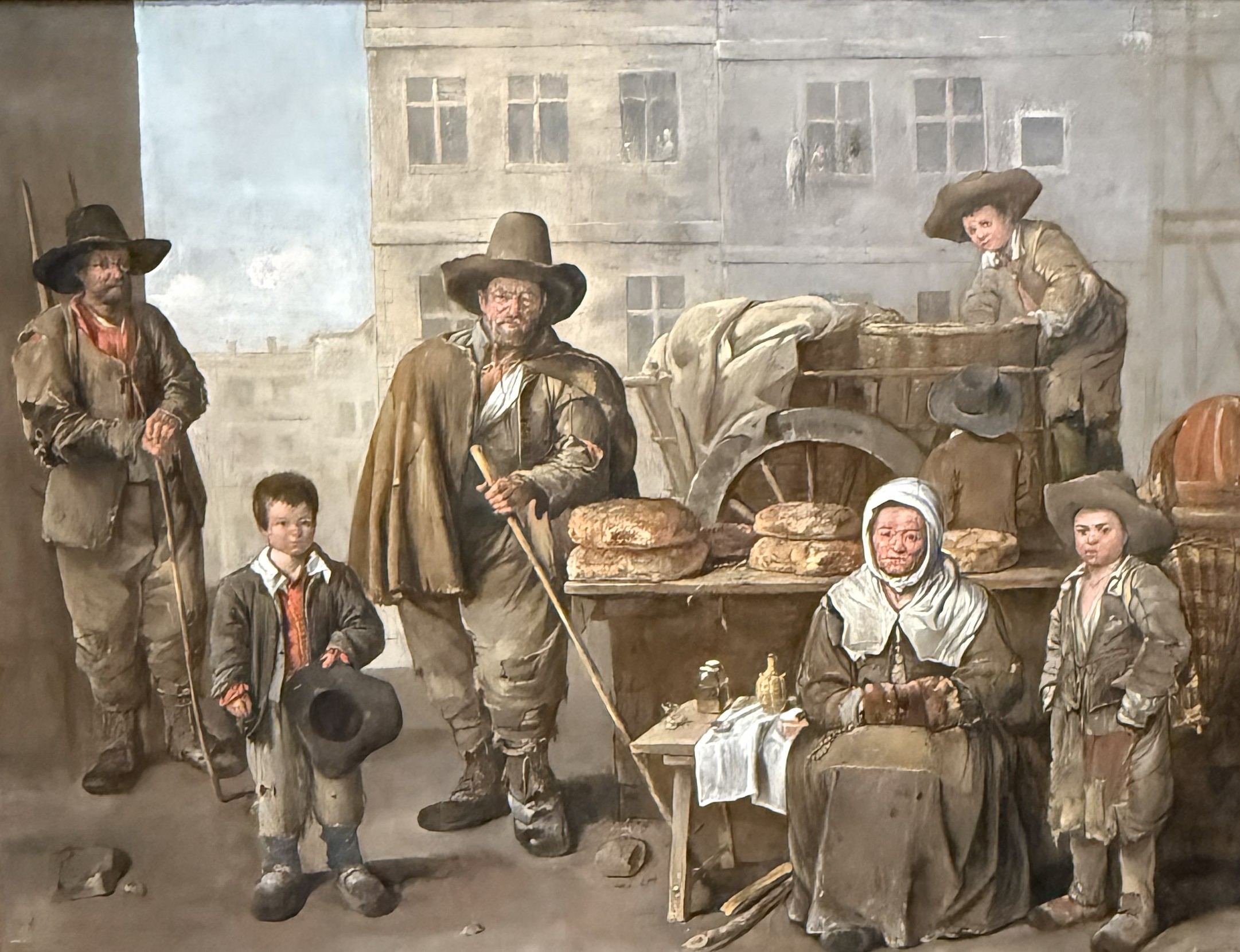
The Baker’s Cart
The Baker’s Cart (1656) Jean Michelin. At first glance, I assumed this was another LeNain peasant painting. I was surprised to see that it was Jean Michelin, an artist that I have not encountered yet. The gallery card says that Michelin liked to pose peasants with dignity similarly to the LeNain brothers, but he did…
-
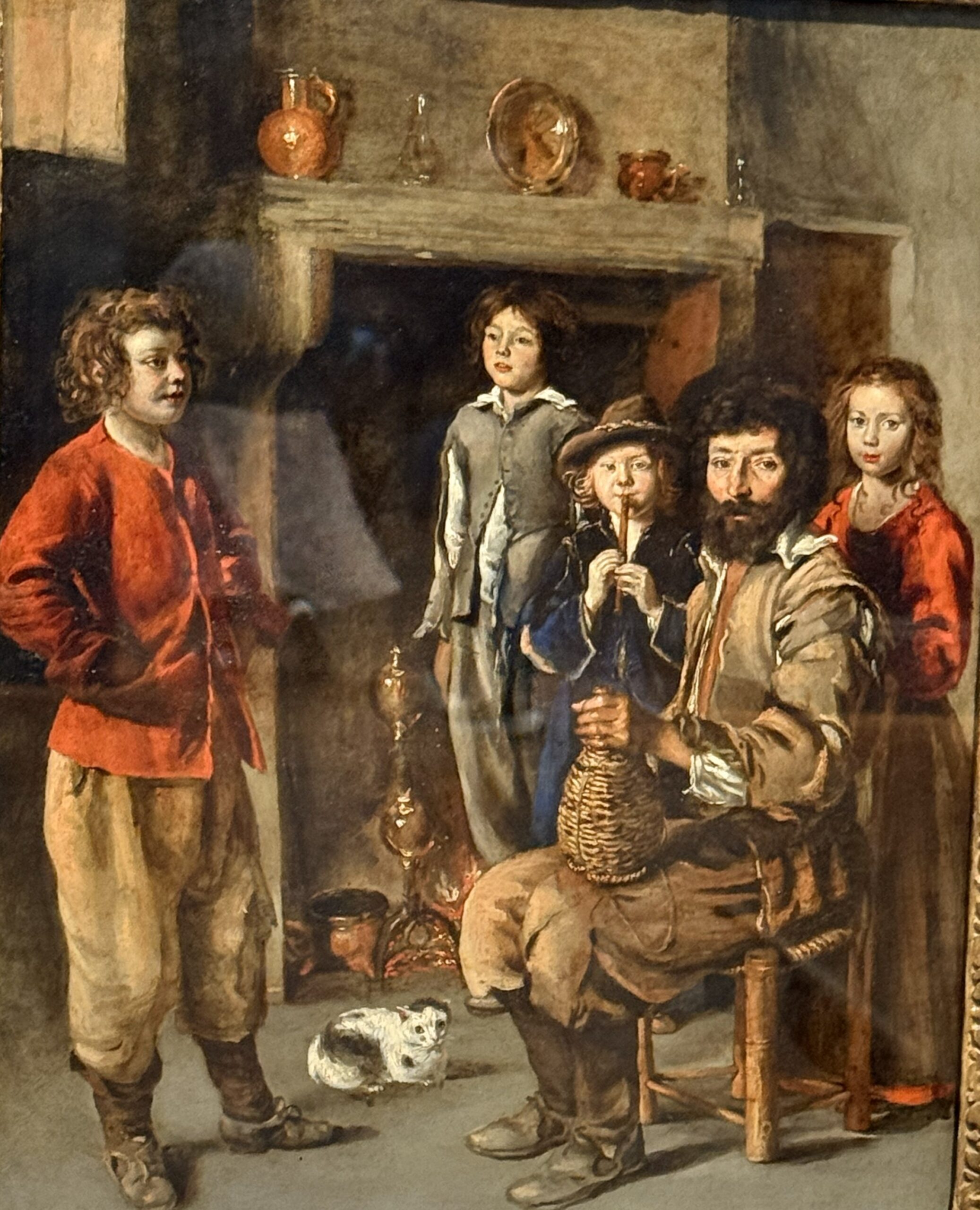
A Peasant Family
A Peasant Family (c.1640) Antione LeNain. This is an interesting piece in the LeNain oeuvre as it shows a posed family indoors wearing what I’ll call upper-class peasant wear. They have on leather shoes and colorful jackets, and look a little better fed than the typical LeNain peasant painting. Comparing the clothing in the painting…
-
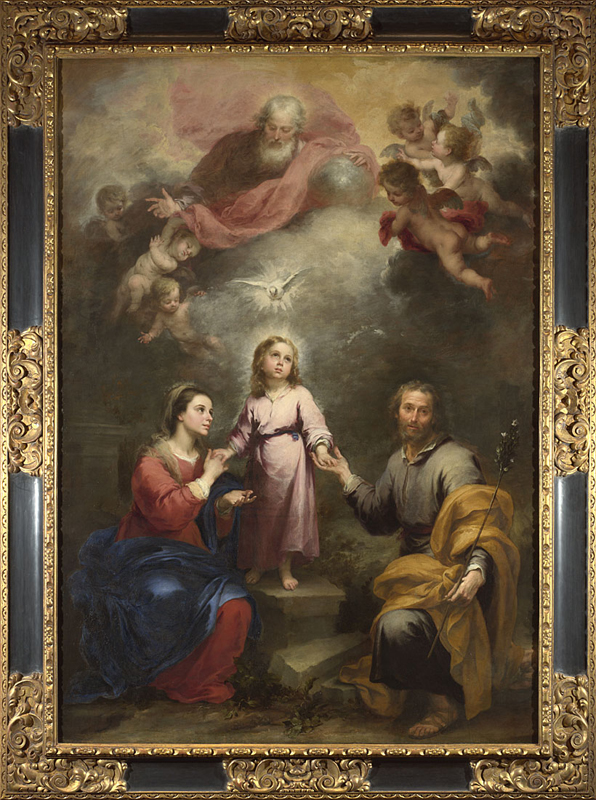
Holy Family
The Heavenly and Earthly Trinities (c.1675) Murillo. The first Sunday after Christmas, the Western Catholic Church celebrates the Holy Family of Jesus, Mary and Joseph. Today’s painting by Murillo shows the Holy Family earthly Trinity as well as the Heavenly Trinity. We don’t see adolescent Jesus often, so it is interesting to see him portrayed…
-
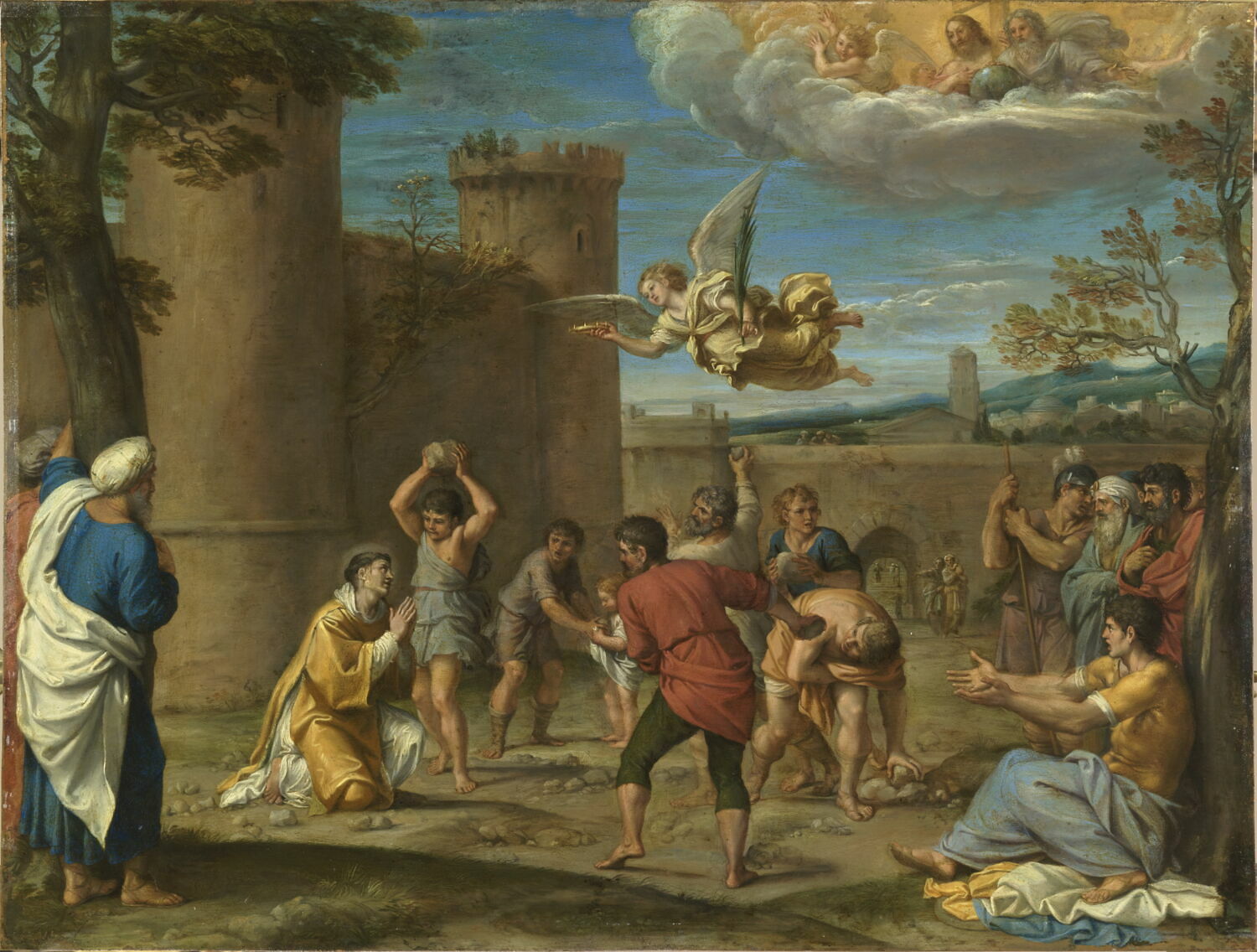
St. Stephen
The Stoning of St. Stephen (c.1603) Annibale Caracci. December 26th is the Feast Day of St. Stephen. St. Stephen is recognized as the protomartyr (first martyr) of Christianity. He was stoned to death outside of the walls of Jerusalem after provoking a crowd. Caracci’s depiction shows what Stephen cried out , “Behold, I see the…
-
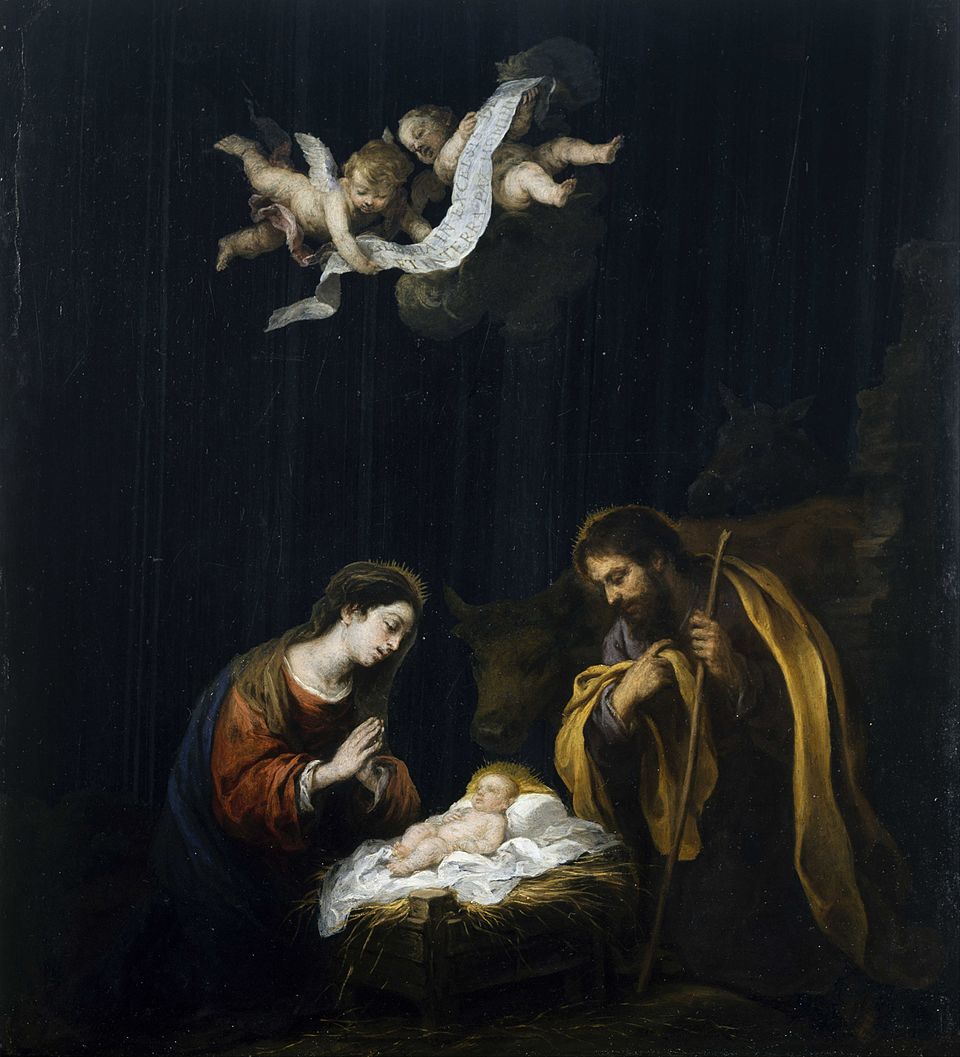
The Nativity
Merry Christmas from the Baroque Art Accessibility Consortium! The featured painting today is The Nativity (c.1655) Bartolomé Estebán Murillo. This painting is especially unique because it was painted on obsidian. As everyone (who plays Minecraft) knows, obsidian is formed by rapidly cooling lava. It is thought that this piece of obsidian was created by an…
-
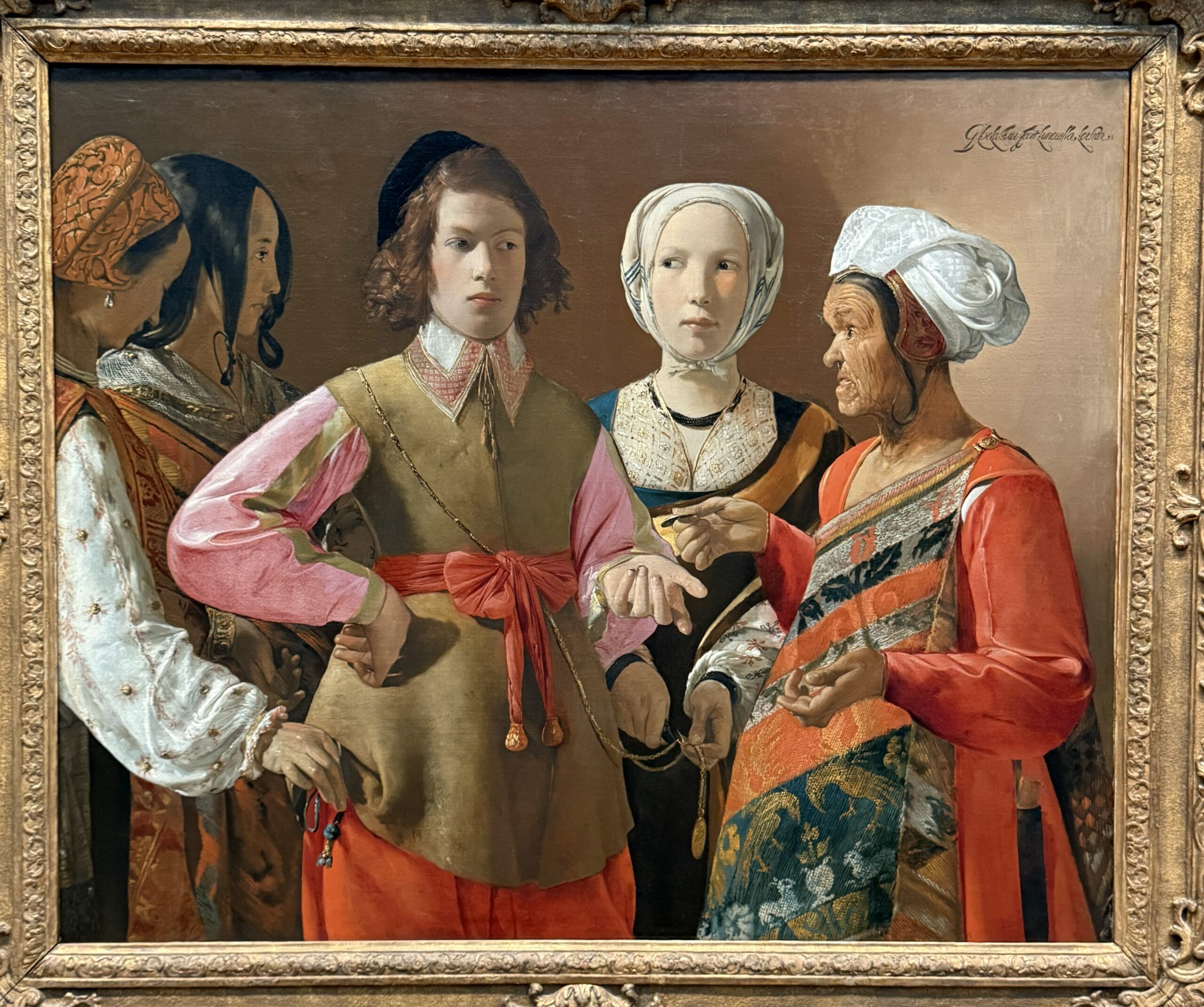
The Fortune Teller
The Fortune Teller (c.1630) Georges De La Tour. The well dressed young man is hoping to gain something from having his fortune read. Instead, he is going to lose some of his valuable possessions. La Tour is cautioning us to not trust false wisdom, for it can lead to downfall.
-
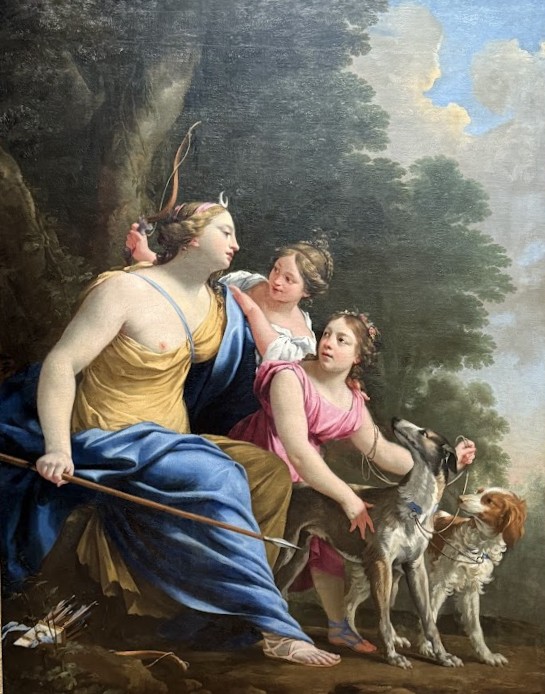
Diana Leaving for the Hunt
Diana Leaving for the Hunt (c.1635) Simon Vouet. I had to do a double take when I saw this painting for the first time at the @meteuropeanpaintings when I saw that the painting was by Vouet as this looks nothing like his work during his time in Rome. Vouet presents an idealized vision of the goddess and…
-
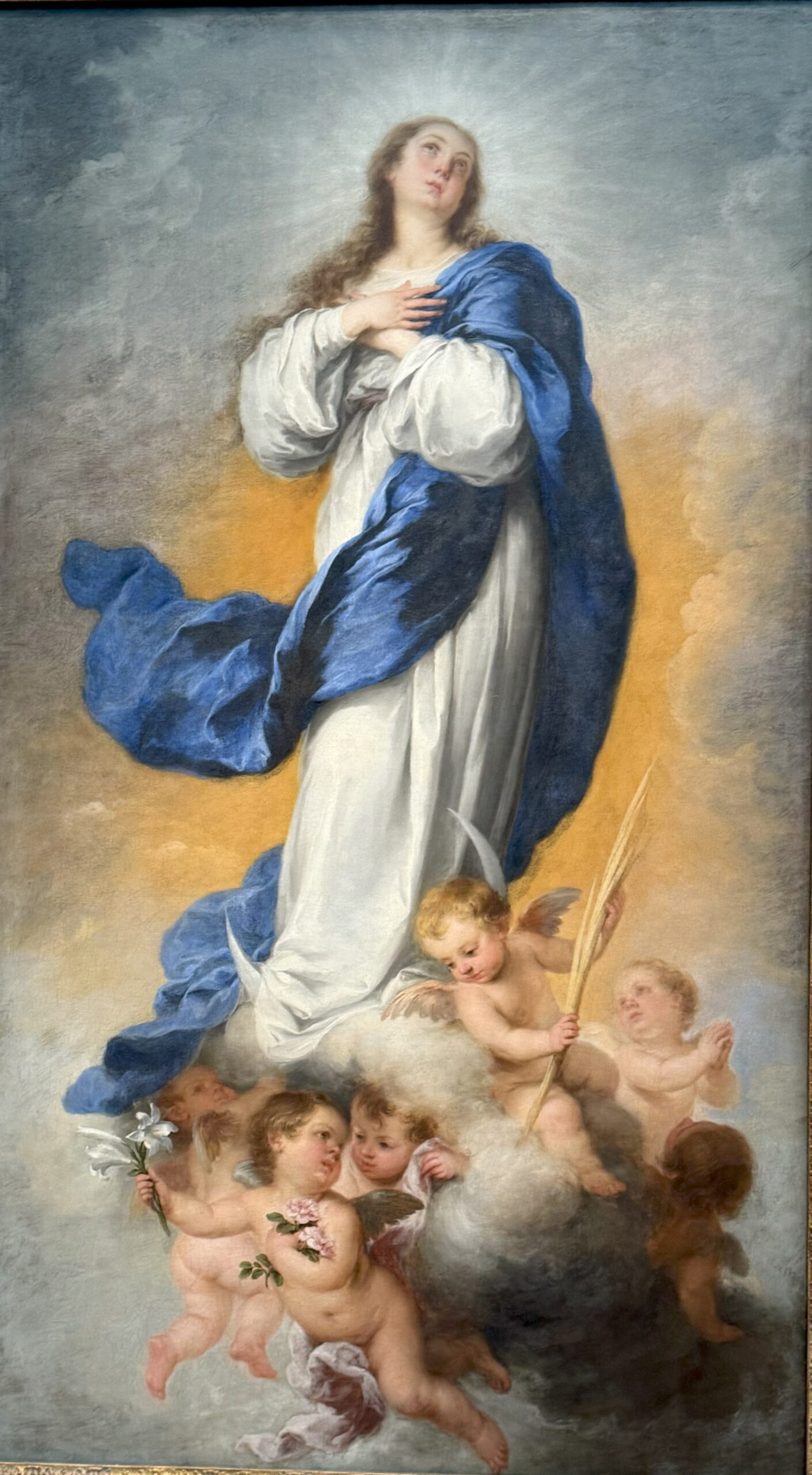
Immaculate Conception
On December 8th, the Catholic Church celebrates the Immaculate Conception of the Blessed Virgin Mary. Under her title of “Immaculate Conception”, Mary was named the Patroness of America in 1846 by the US Bishops. “Immaculate Conception” (c.1680) Murillo skillfully combines symbols from both the Immaculate Conception and the Assumption to convey Mary’s purity and heavenly…
-
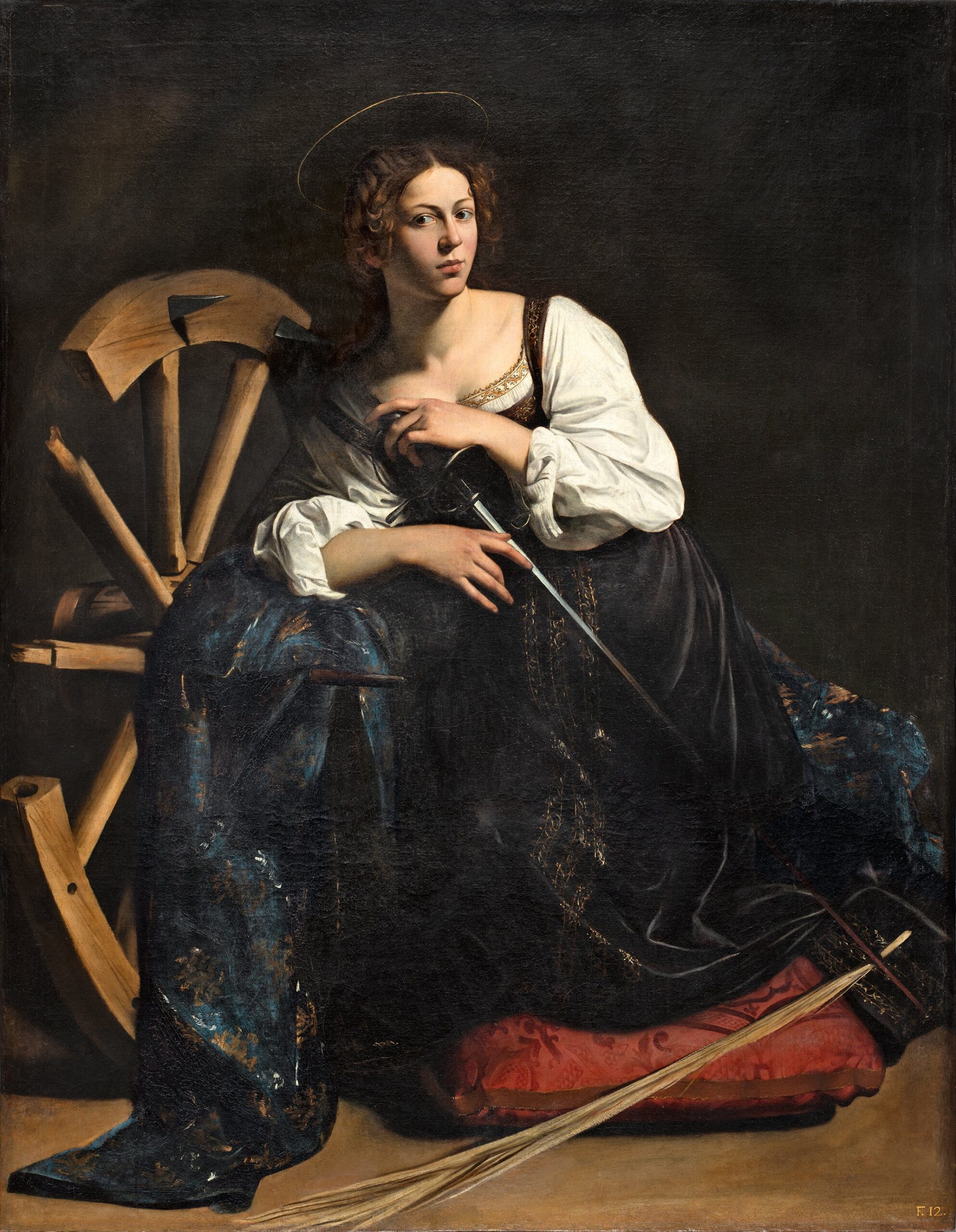
St. Catherine of Alexandria
St. Catherine of Alexandria (1597), Caravaggio.November 25th is the feast of St. Catherine of Alexandria—an excellent occasion to share this Caravaggio masterpiece. He painted it at the request of Cardinal Del Monte, whose mother was named Catherine. My own grandmother was also a Catherine (with a “C”), and I like to think she would have…