Category: The Cleveland Museum of Art
-
Baroque Art in Cleveland at the Cleveland Museum of Art
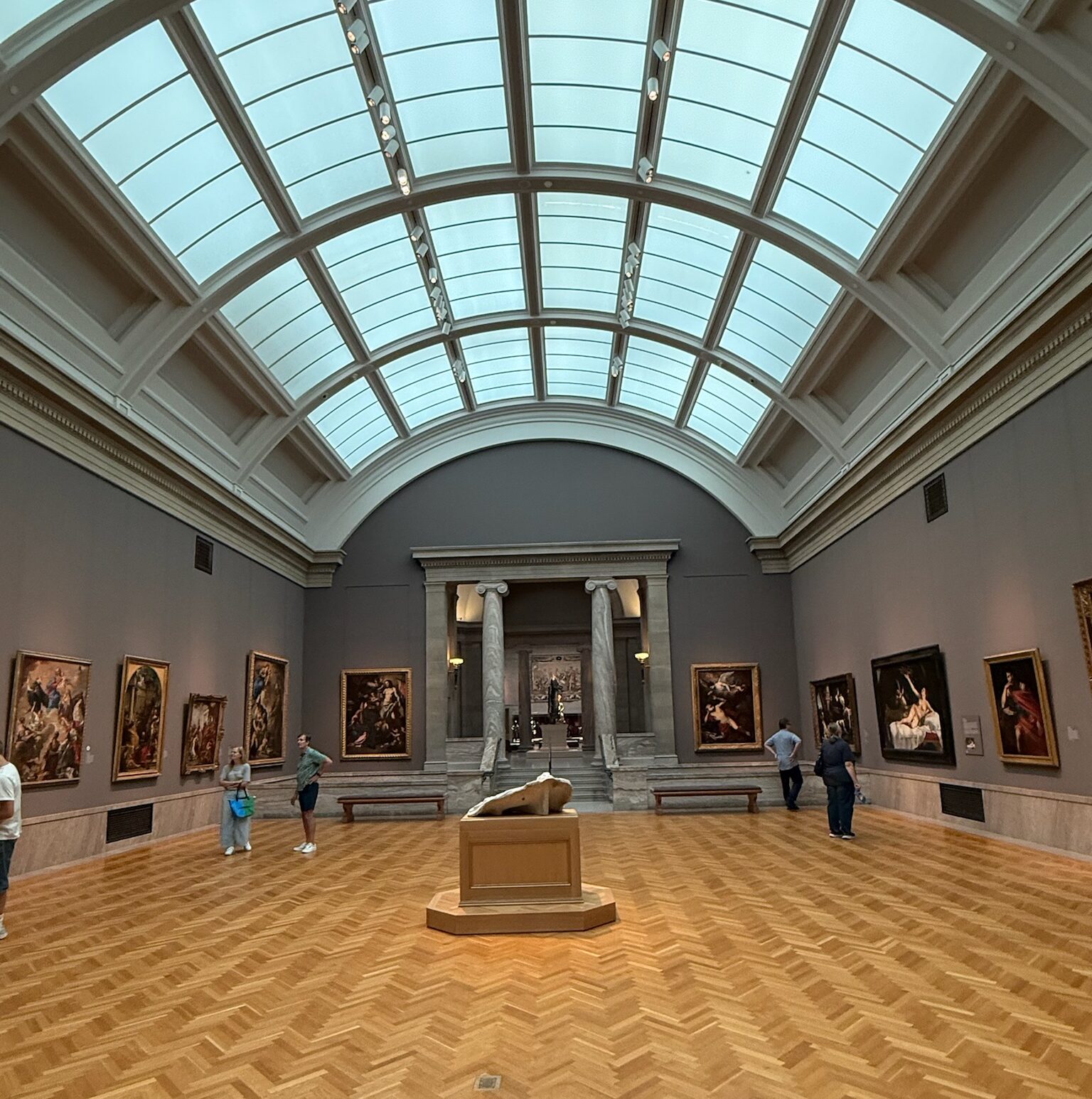
Overview The Cleveland Museum of Art houses a distinguished selection of European Baroque art, particularly from Italy, Spain, and France. Italian Baroque art at the museum includes powerful religious compositions and dynamic portraits that reflect the influence of Caravaggio. Spanish Baroque works are marked by their realism and spiritual gravity, with highlights including paintings by…
-
Samson
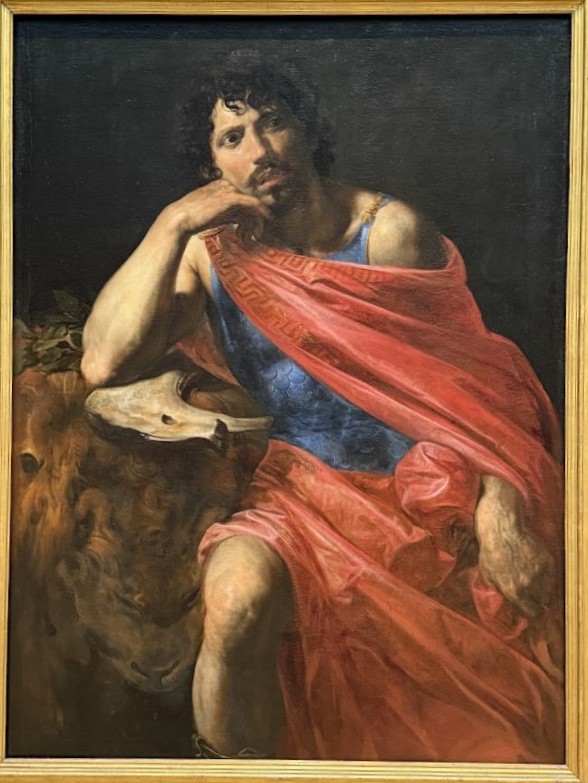
Samson by Valentin de Boulogne presents a contemplative vision of the biblical strongman. Samson gazes beyond the viewer, as if reflecting on the chain of violent and tragic events that have just unfolded. He may have only recently wielded the jawbone of a donkey to kill 1,000 Philistines—a moment of brutal triumph that was also…
-
The Vision of St. Jerome
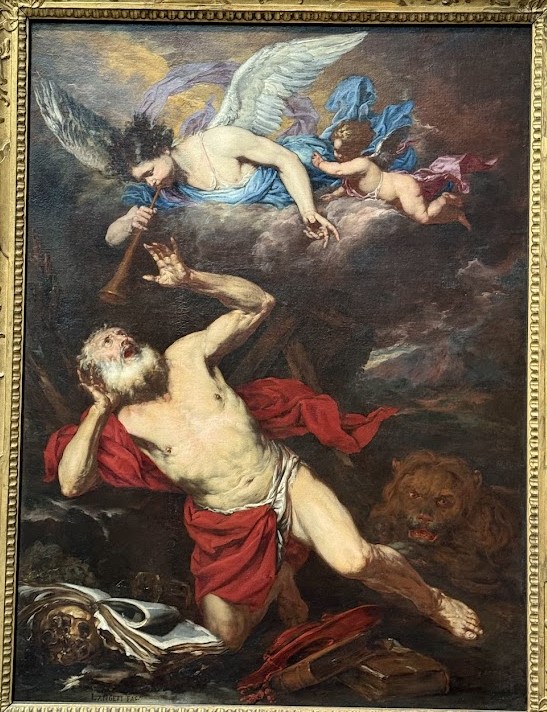
The Vision of St. Jerome (1660) Giovanni Battista Langetti. Langetti is a lesser-known Baroque artist, he worked in Venice and his use of light to help create drama shows Caravaggio’s influence and the intense colors show the influence from Tintoretto. This painting really stood out for me compared to most all other Baroque paintings of…
-

Danaë and the Shower of Gold
Defying mortal barriers, Jupiter descends in a shimmering golden shower, impregnating Danaë and setting into motion the birth of Perseus—the legendary hero who ultimately fulfills the Oracle’s ominous prediction.
-
Portrait of Isabella Brant
“Portrait of Isabella Brant” (c.1625) by Peter Paul Rubens. Any art museum that has 17th century art will have at least one Rubens and the Cleveland Art Museum is no exception. The museum features two of Rubens paintings and both of them include Isabella. Isabella was Rubens first wife and the daughter of important city…
-
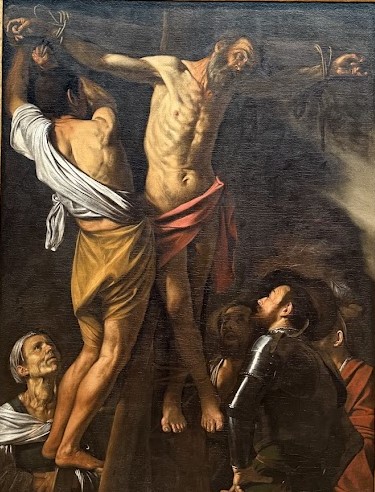
The Crucifixion of St. Andrew
Caravaggio’s “The Crucifixion of St. Andrew” stands out prominently among the works in the room at the Cleveland Museum of Art. Acquired by the museum in 1976, the painting had only recently been attributed to Caravaggio. After disappearing from historical records in 1653, it resurfaced centuries later in a convent in Spain and was published…
-
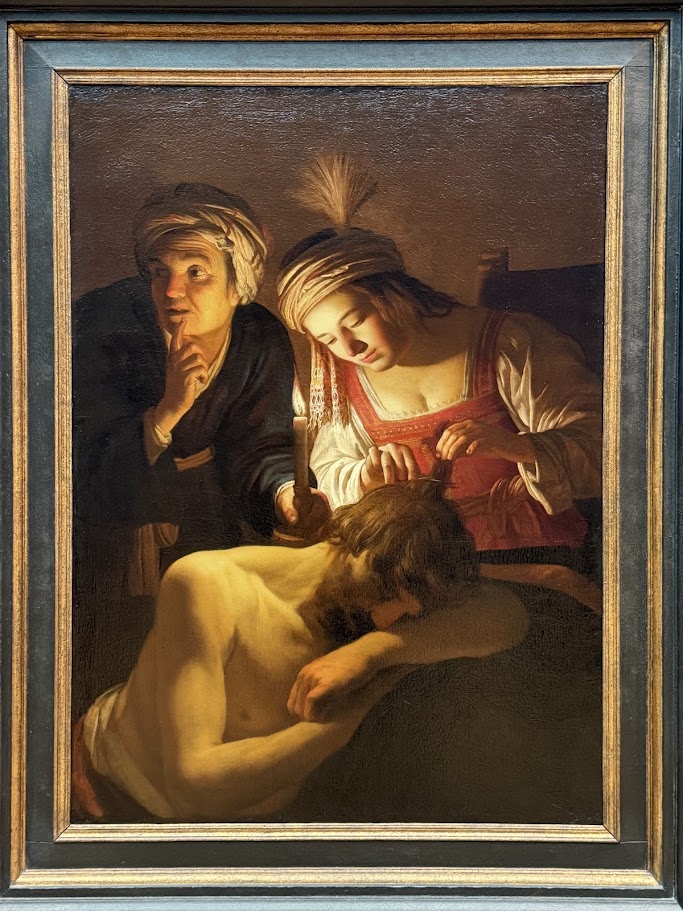
Samson and Delilah
Samson and Delilah (1616) by Gerritt von Honthorst. This is a fantastic representation of the Utrecht Caravaggisti, as von Honthorst and several of his contemporaries finished their formal education in the Netherlands and then spent several years in Rome where they were heavily influenced by Caravaggio’s paintings. Upon their return to Utrecht, the popularized the…
-
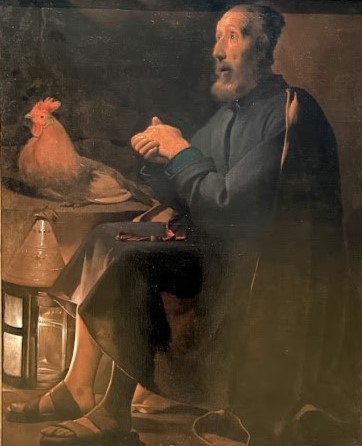
St. Peter Repentant
St. Peter Repentant (1645) by Georges de La Tour shows a wide-eyed St. Peter, with his hands clasped in grief, contemplating his denial of Jesus. We see the rooster to reinforce the Bible story where Peter denied that he was with Jesus three times before the cock crowed. LaTour is unique among famous Baroque artists…
-
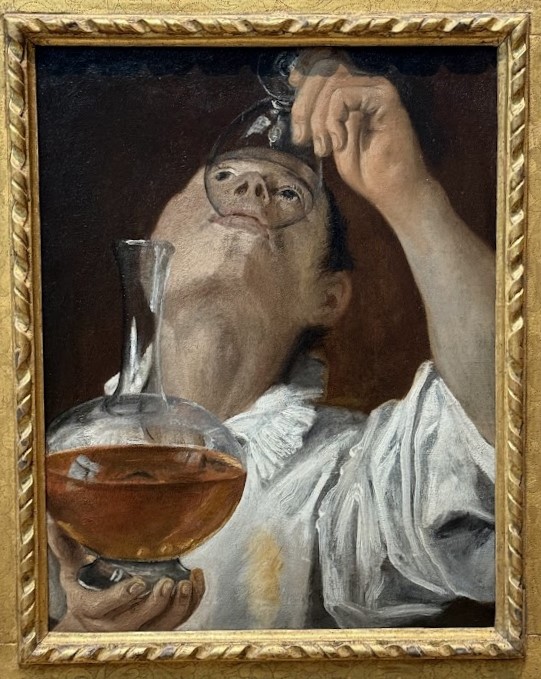
Boy Drinking
“Boy Drinking”(1582-83) by Annibale Carracci is a fantastic piece at the Cleveland Museum of Art. This genre scene is an early work by Carracci and is particularly notable for its naturalism, notice the way that the glass distorts the images. Also extremely interesting is the way Carracci’s painting technique matches the subject matter. Meaning the…