Category: Exhibitions
-

Folly Beyond words. Bruegel and proverbs in art – Rubens (Royal Museum of Fine Arts Antwerp (KMSKA))
This exhibition explores how artists have used proverbs and sayings to reflect on human behavior and society. Starting with Pieter Bruegel, it traces this tradition through the works of Peter Paul Rubens, Jacob Jordaens, Michaelina Wautier, and Jan Steen. Each artist contributes a unique perspective, revealing the enduring power of visual storytelling through familiar expressions…
-

El Greco: The Migrant – Tintoretto (National Museum of Art of Romania, Bucharest)
This exhibition explores the artistic journey of El Greco, from his Cretan origins to his lasting impact on modern European art. Featuring works by artists such as Tintoretto, Titian, Parmigianino, Picasso, Kokoschka, and others, it traces the dialogue between Byzantine tradition and Western modernity. The selection spans from the Middle Ages to the avant-garde, offering…
-
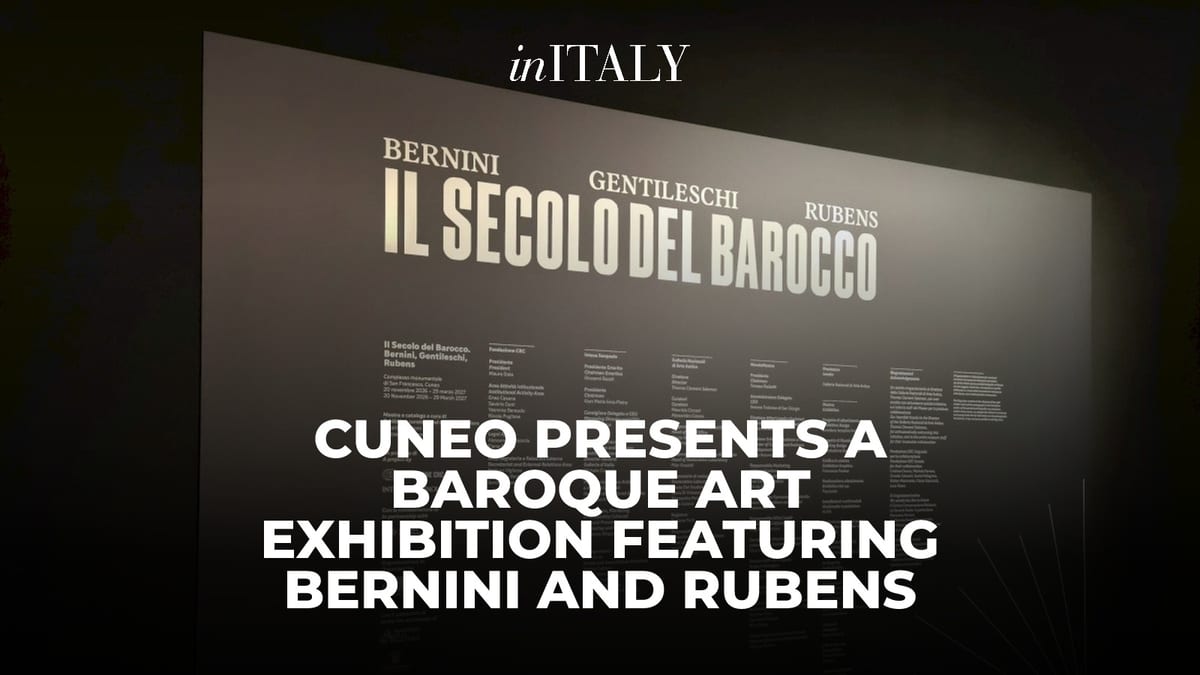
The Century of the Baroque. Bernini, Gentileschi, Rubens (Complesso Monumentale di San Francesco, Cuneo)
This exhibition brings together 25 masterpieces from the Gallerie Nazionali di Arte Antica di Roma, focusing on the Baroque period in Rome. It features works by Bernini, Gentileschi, Rubens, and other significant artists of the 17th century. The exhibition explores the artistic developments of the time, emphasizing the role of the Barberini family and the…
-
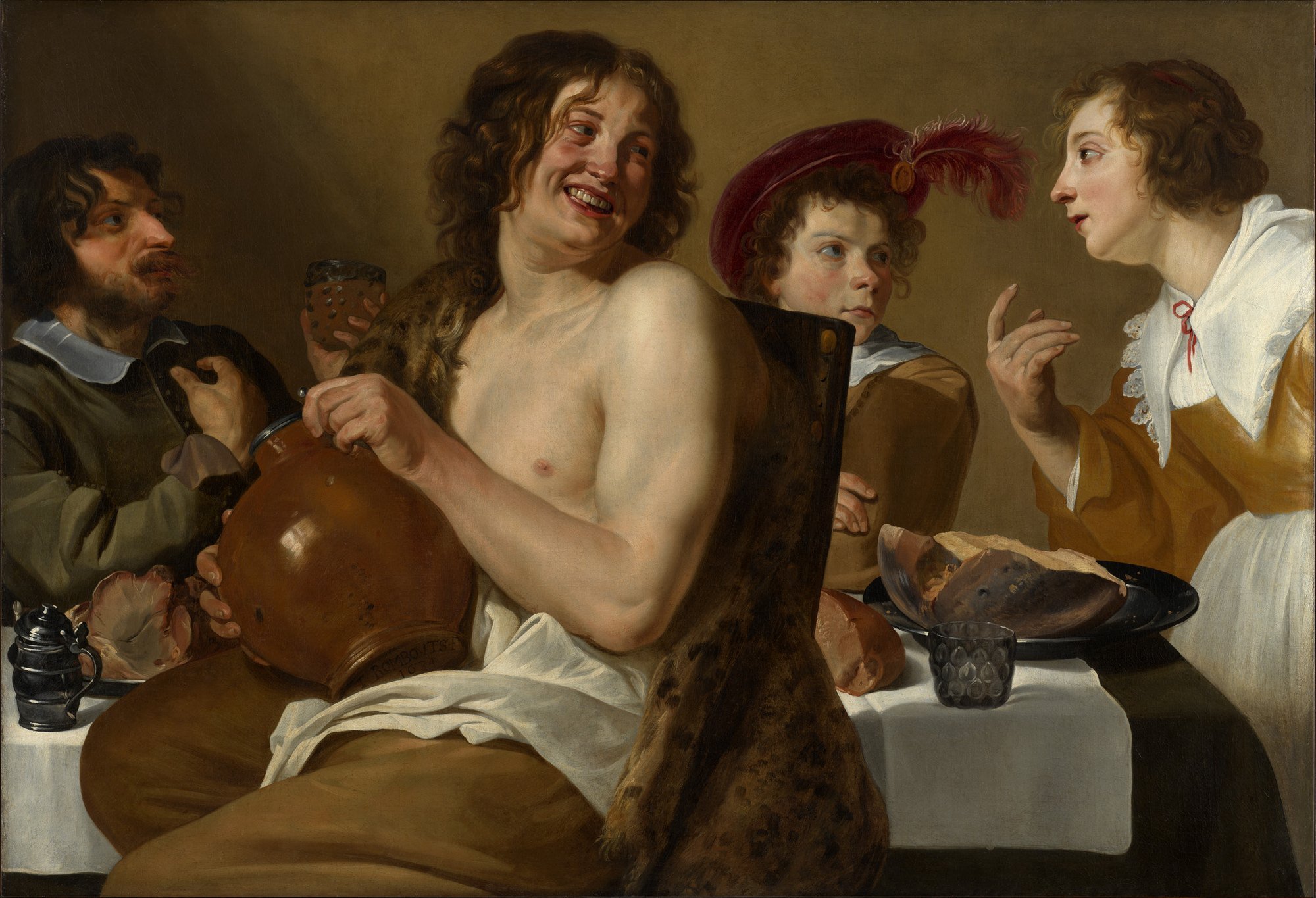
Flemish Caravaggism – Coster and Rombouts (Stirum Gallery, Brussels)
This exhibition explores Flemish Caravaggism, a movement that adapted Caravaggio’s naturalism and dramatic lighting to the Southern Netherlands between 1610 and 1640. It features works by artists such as Adam De Coster, Theodor Rombouts, and others, showcasing their unique interpretations of the Caravaggio style.
-
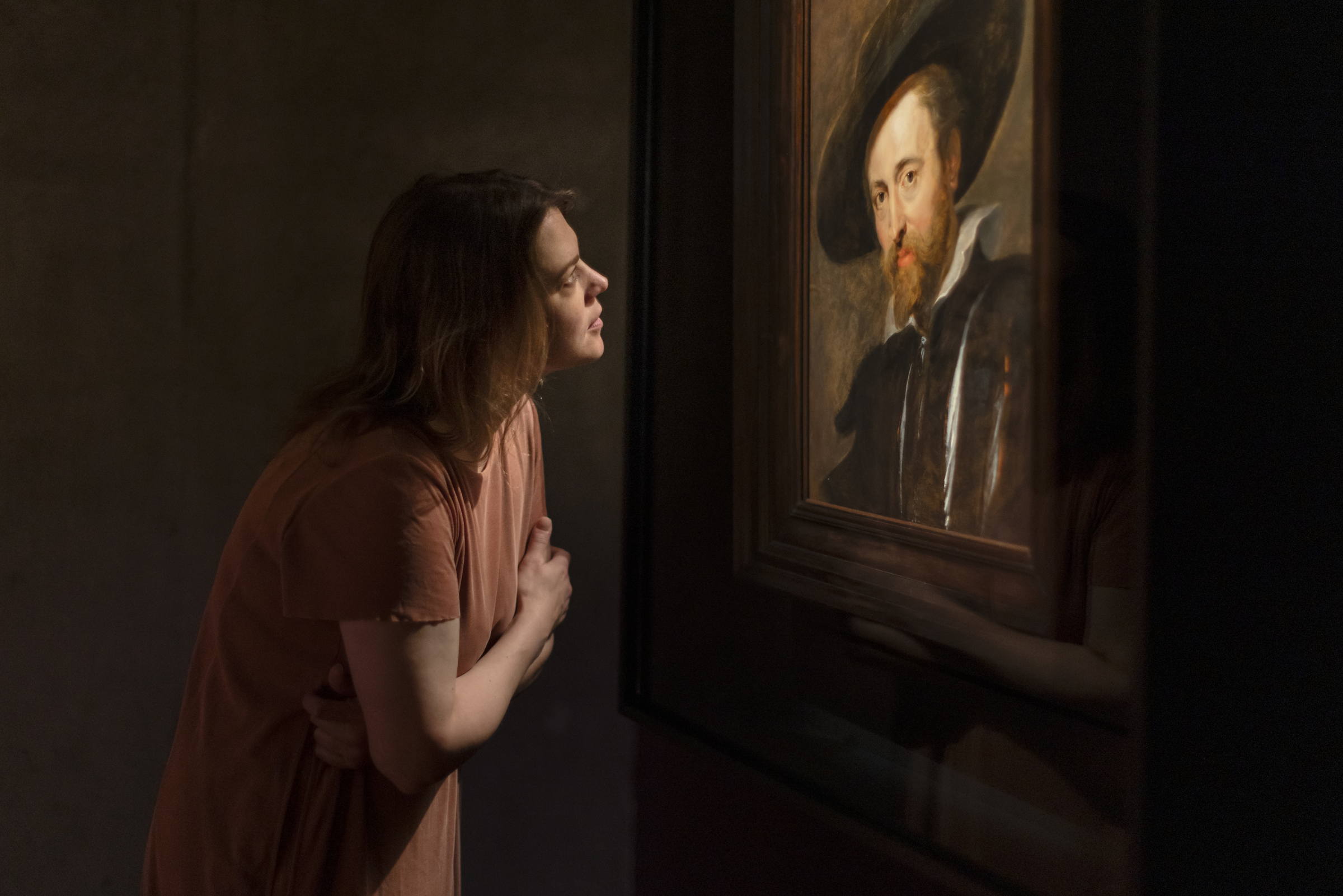
Rubens and the world (Royal Museum of Fine Arts Antwerp (KMSKA))
The exhibition ‘Rubens and the world’ at the Royal Museum of Fine Arts Antwerp explores the artistic legacy of Peter Paul Rubens through a global lens. It brings together his iconic works with objects from diverse regions, highlighting the international influences that enriched his creative process. This presentation offers a fresh perspective on Rubens’ art…
-
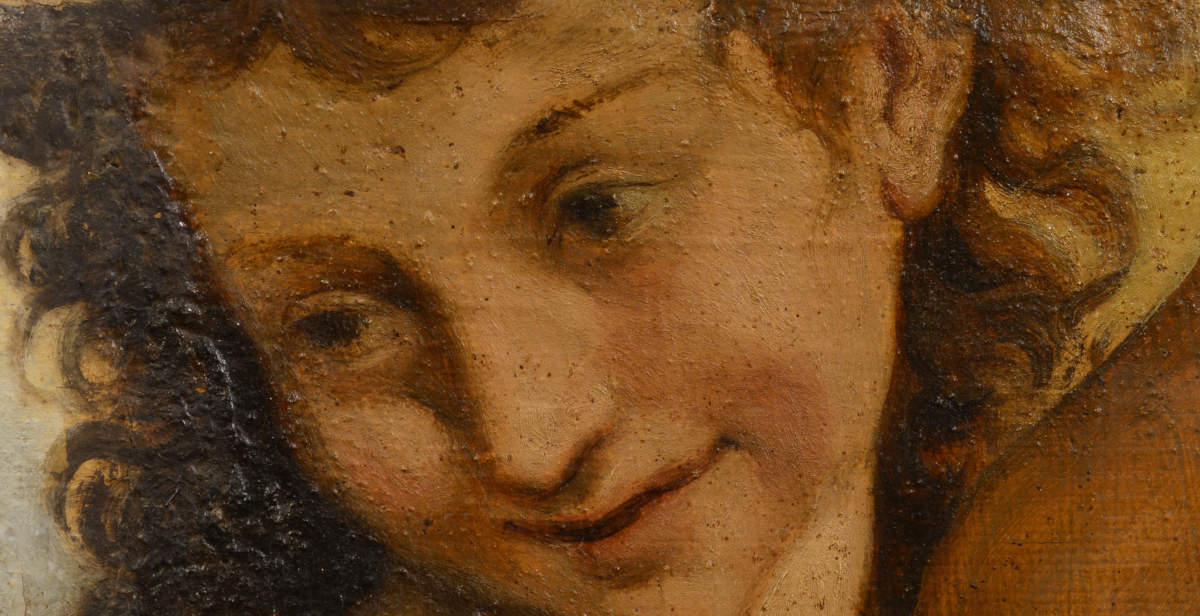
Ludovico Ritrovato – Carracci (Grand Hotel Majestic, Bologna)
The exhibition *Ludovico Ritrovato* presents four paintings attributed to Ludovico Carracci, temporarily returned to the Palazzo Fava complex for restoration. Located at the Grand Hotel Majestic in Bologna, the display offers visitors a rare opportunity to view these works and observe their restoration. Information about the history and context of the paintings will also be…
-
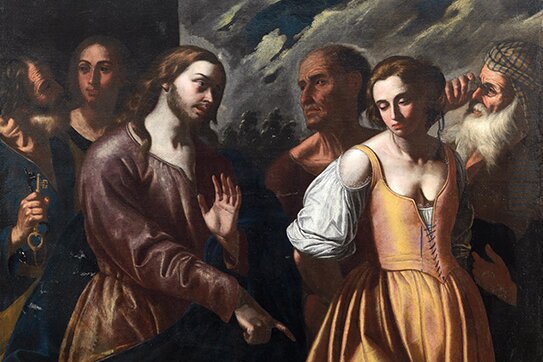
Artemisia Gentileschi. Magdalene (Palazzo Ricca, Naples)
This exhibition presents a focused study of Artemisia Gentileschi’s portrayals of the Maddalena, examining how these figures convey themes of dignity, inner freedom, and self-determination. It offers a fresh perspective on Gentileschi’s personal and artistic evolution, moving beyond traditional biographical readings to explore the broader significance of her work.
-
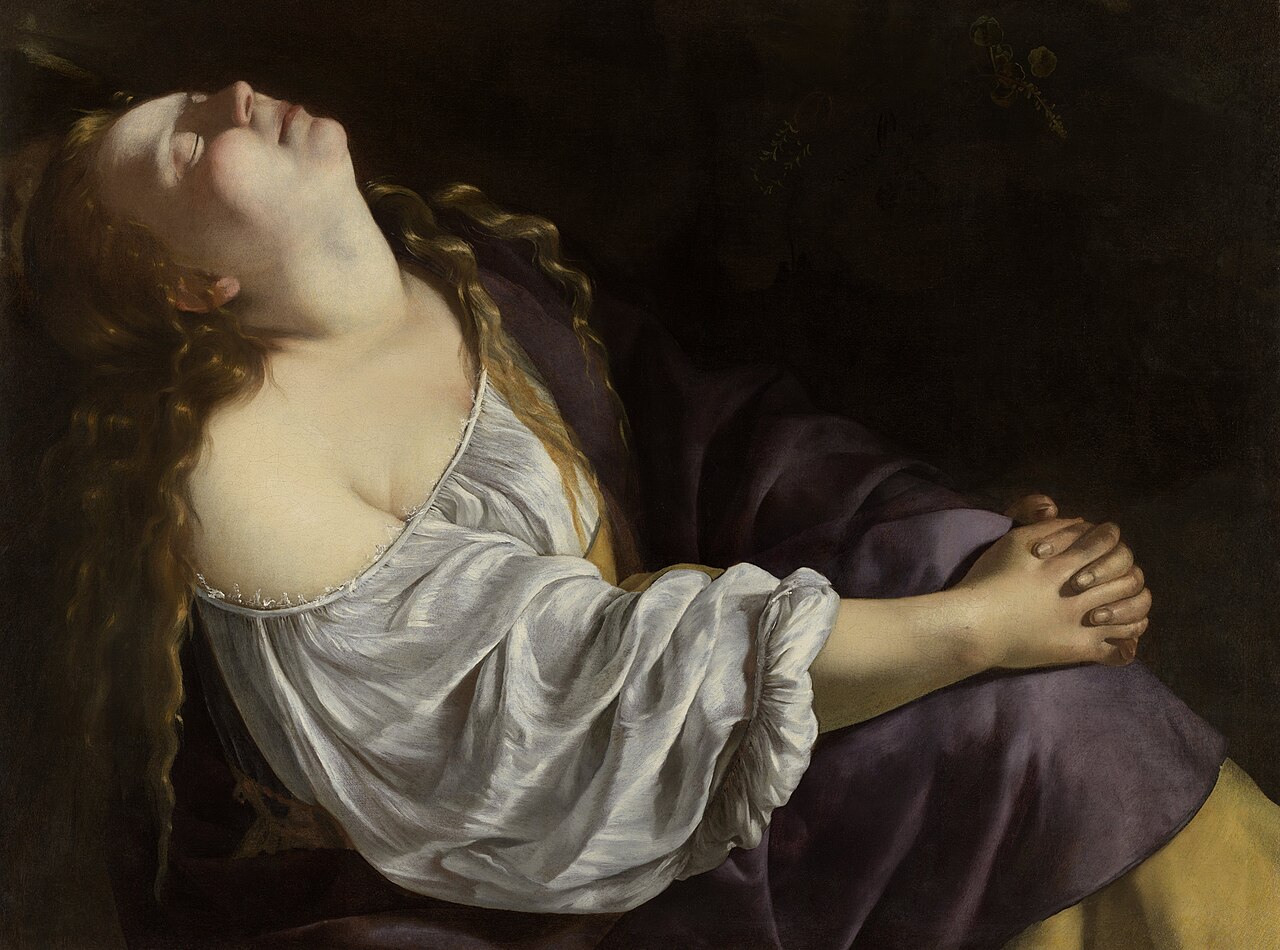
Artemisia Gentileschi. Magdalene (Smart Space, Gorizia )
This exhibition presents a focused study of Artemisia Gentileschi’s portrayals of the Maddalena, examining how these figures convey themes of dignity, inner freedom, and self-determination. It offers a fresh perspective on Gentileschi’s personal and artistic evolution, moving beyond traditional biographical readings to explore the broader significance of her work.