Author: Brian
-
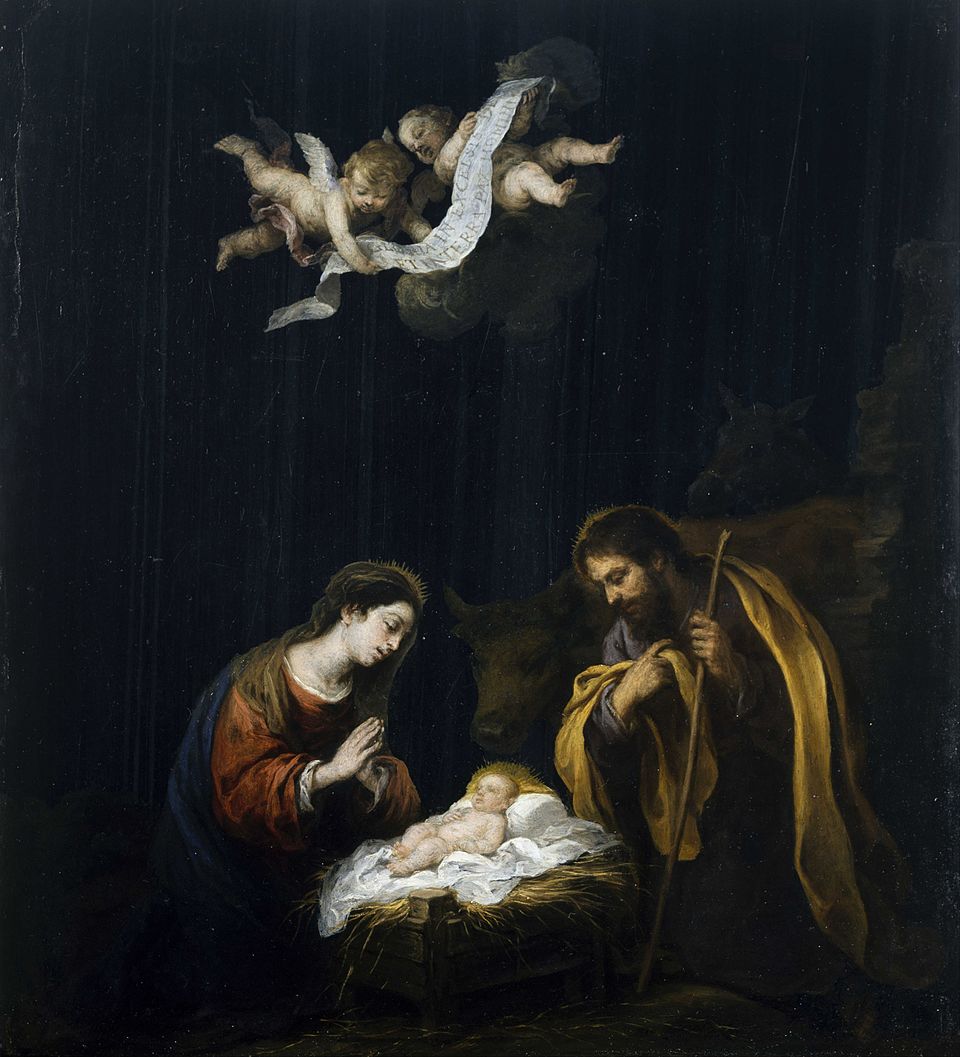
The Nativity
Merry Christmas from the Baroque Art Accessibility Consortium! The featured painting today is The Nativity (c.1655) Bartolomé Estebán Murillo. This painting is especially unique because it was painted on obsidian. As everyone (who plays Minecraft) knows, obsidian is formed by rapidly cooling lava. It is thought that this piece of obsidian was created by an…
-
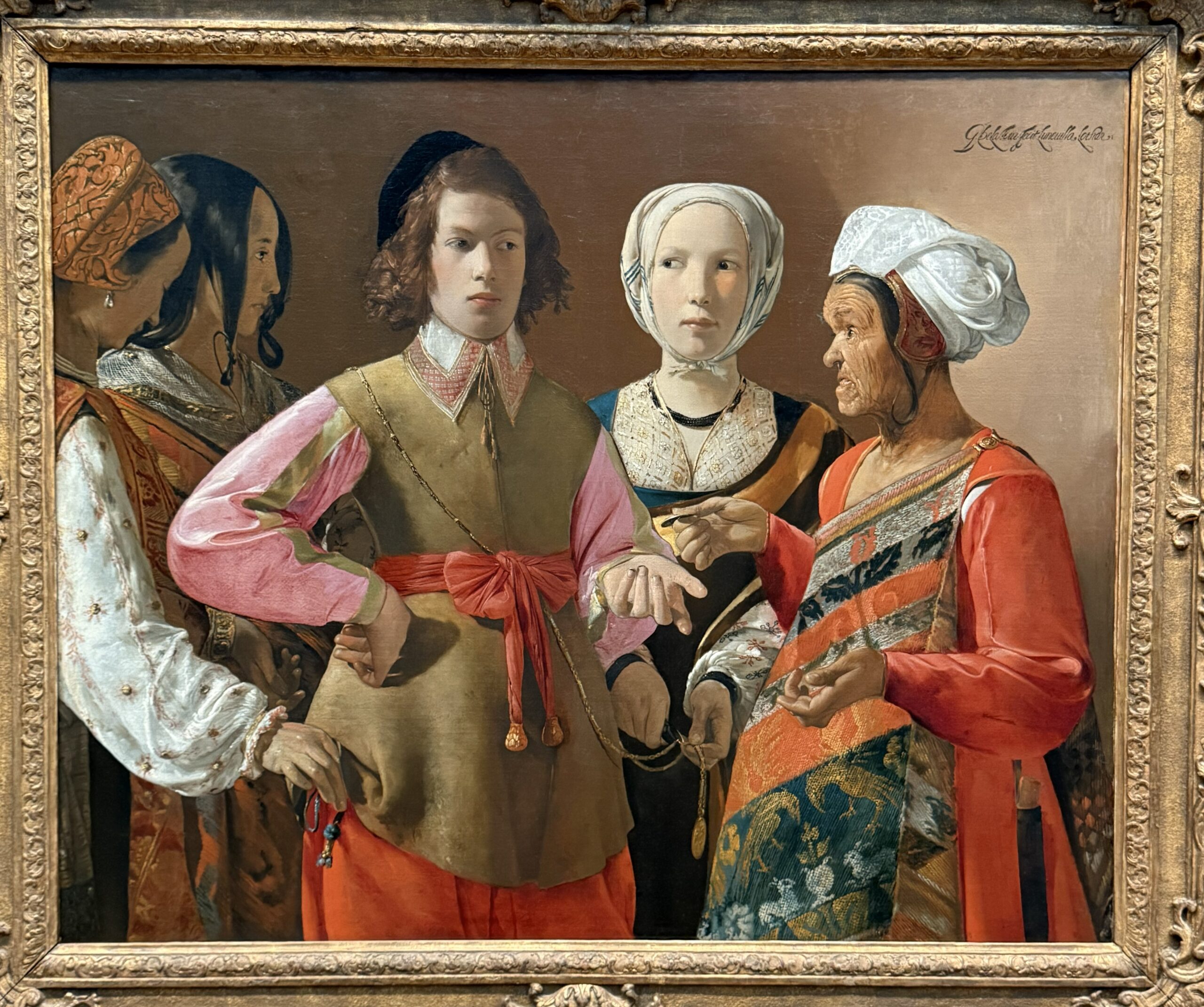
The Fortune Teller
The Fortune Teller (c.1630) Georges De La Tour. The well dressed young man is hoping to gain something from having his fortune read. Instead, he is going to lose some of his valuable possessions. La Tour is cautioning us to not trust false wisdom, for it can lead to downfall.
-
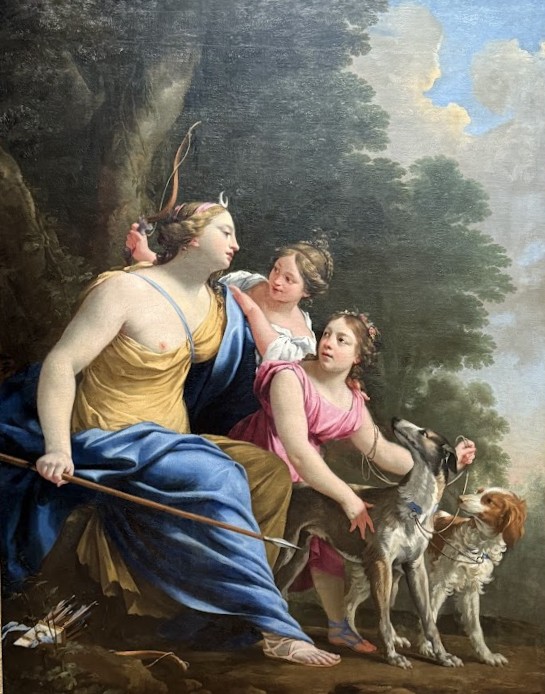
Diana Leaving for the Hunt
Diana Leaving for the Hunt (c.1635) Simon Vouet. I had to do a double take when I saw this painting for the first time at the @meteuropeanpaintings when I saw that the painting was by Vouet as this looks nothing like his work during his time in Rome. Vouet presents an idealized vision of the goddess and…
-
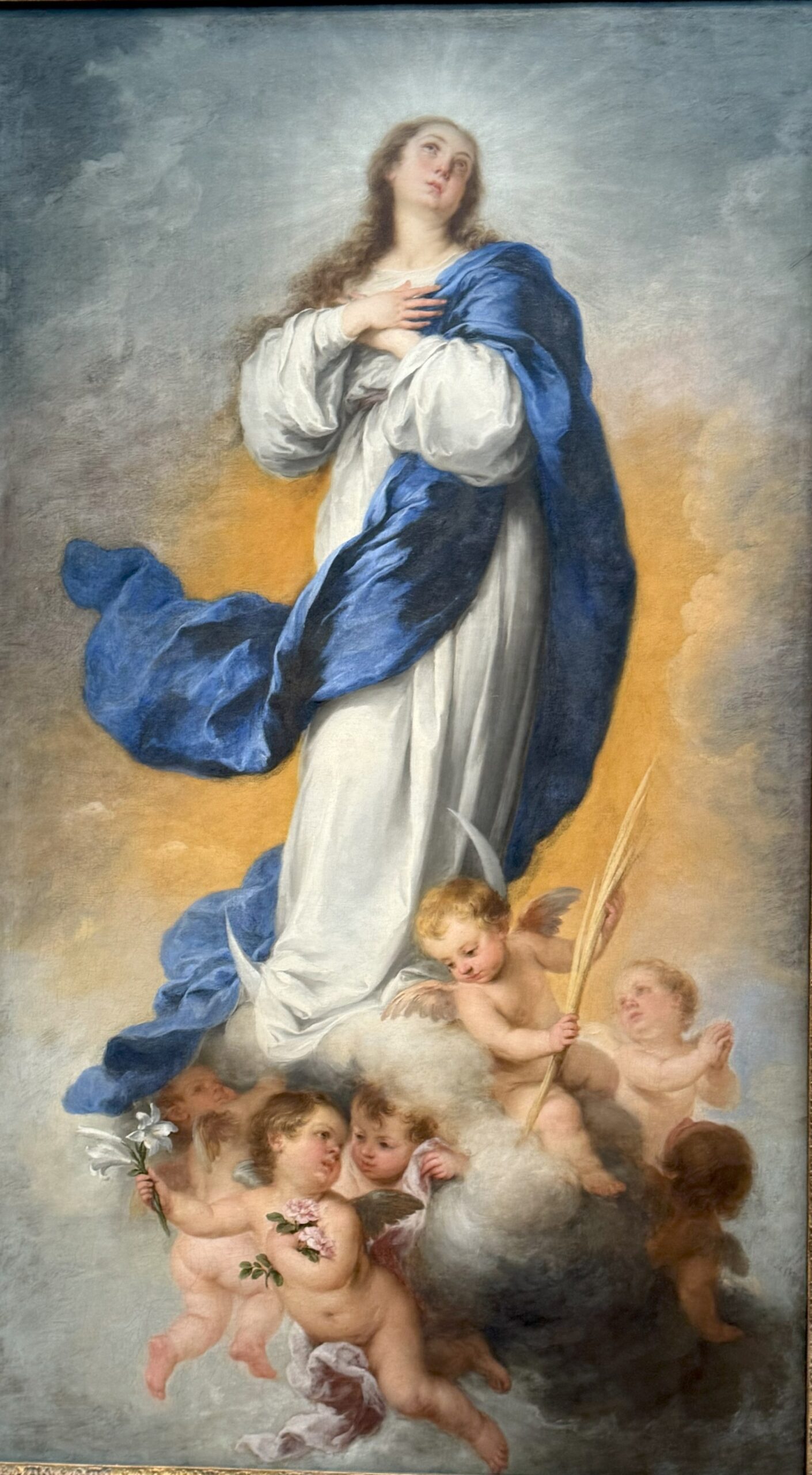
Immaculate Conception
On December 8th, the Catholic Church celebrates the Immaculate Conception of the Blessed Virgin Mary. Under her title of “Immaculate Conception”, Mary was named the Patroness of America in 1846 by the US Bishops. “Immaculate Conception” (c.1680) Murillo skillfully combines symbols from both the Immaculate Conception and the Assumption to convey Mary’s purity and heavenly…
-
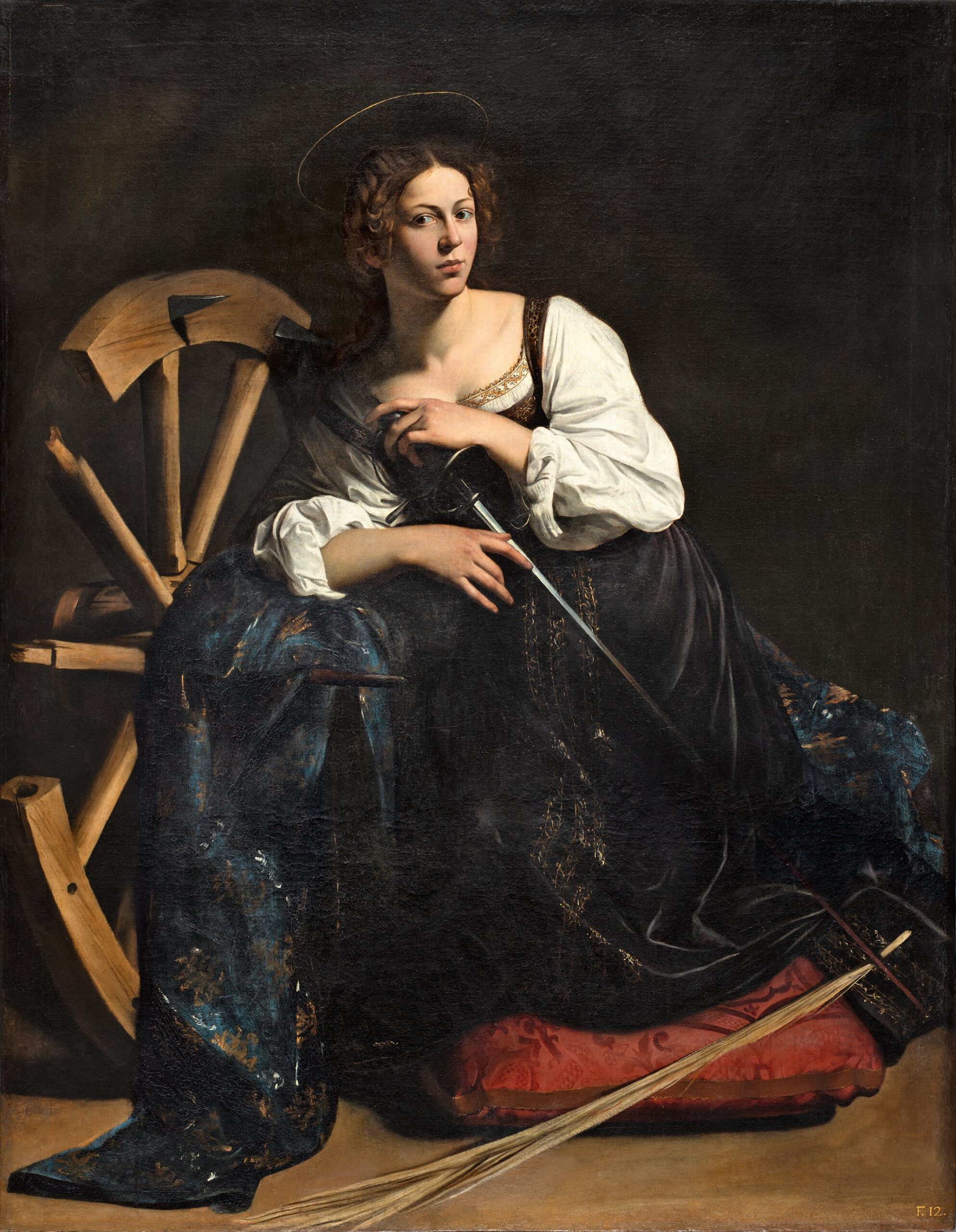
St. Catherine of Alexandria
St. Catherine of Alexandria (1597), Caravaggio.November 25th is the feast of St. Catherine of Alexandria—an excellent occasion to share this Caravaggio masterpiece. He painted it at the request of Cardinal Del Monte, whose mother was named Catherine. My own grandmother was also a Catherine (with a “C”), and I like to think she would have…
-
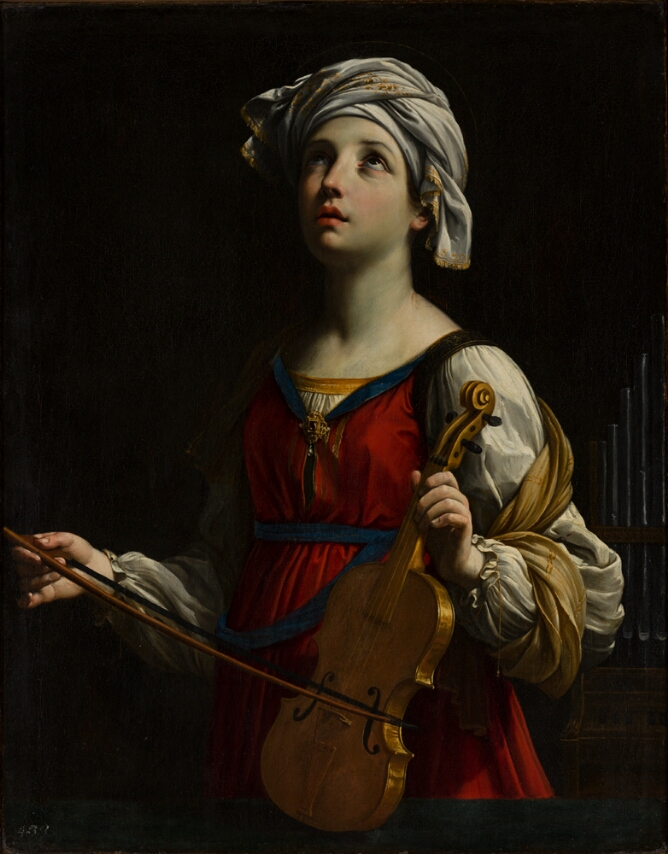
St. Cecilia
St. Cecilia (1606), Guido Reni. November 22nd is the feast day St. Cecilia, Virgin and Martyr.According to early Church tradition, St. Cecilia was born to wealthy pagan parents in Rome in the 3rd century. She dedicated her life to Christ and to serving the poor, fully aware that her faith could cost her her life.…
-
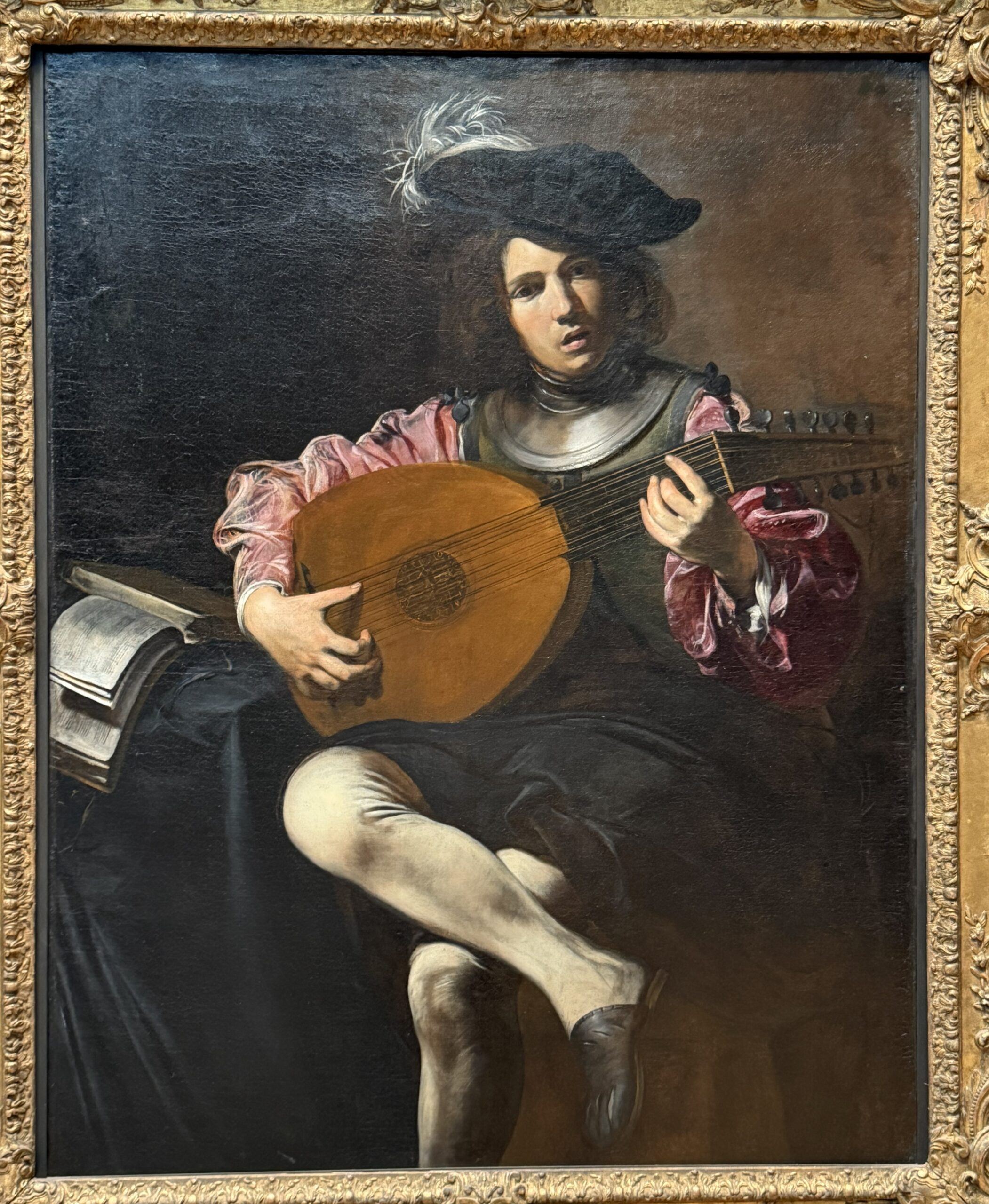
Lute Player
Lute Player (c1625) Valentin de Boulogne. A finely dressed solider plays the Lute for us. From the Met’s Catalogue entry: Together with Jusepe de Ribera, Valentin de Boulogne was the greatest exponent of Caravaggism in Rome, where he spent virtually his entire career, establishing a reputation among collectors for his paintings of gamblers, fortune tellers,…
-
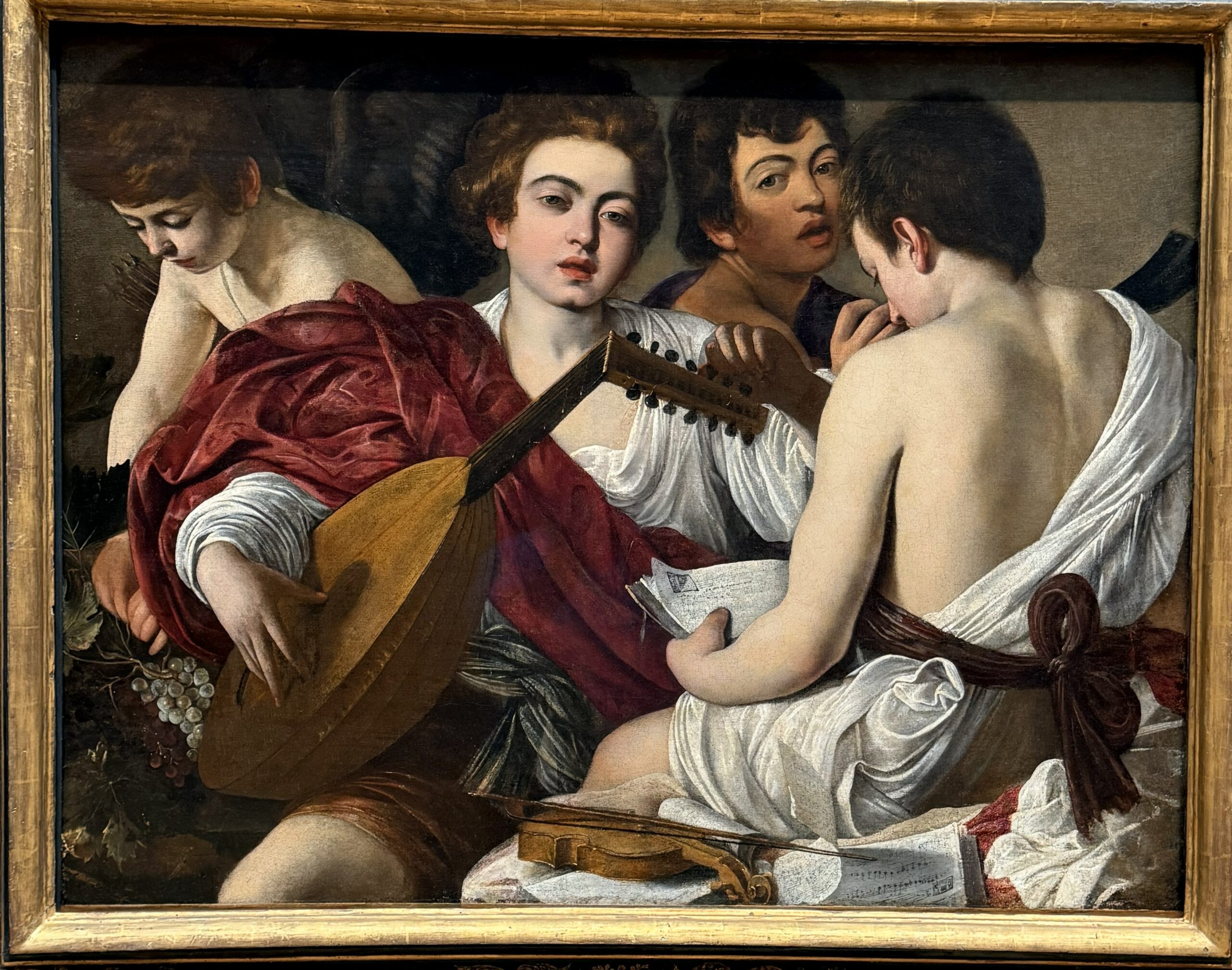
The Musicians
The Musicians (c.1597) Caravaggio. On the surface, we seem to be interrupting three musicians in a cramped room, warming up before a performance. Beside them, a young Cupid divides a bunch of grapes, perhaps to share as a pre-concert snack. Painted for Cardinal Del Monte, a devoted patron and lover of the arts, the scene…
-
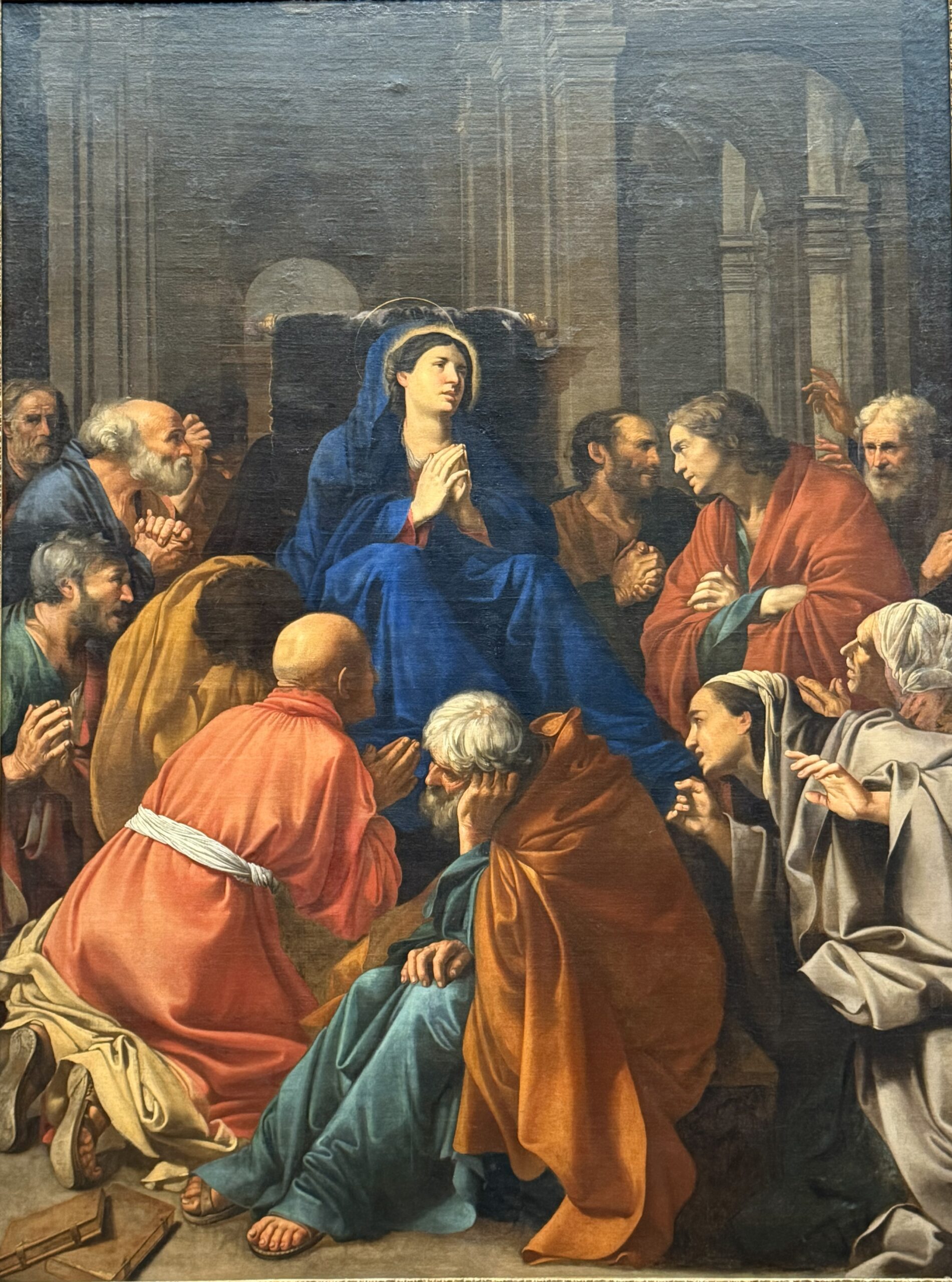
Dormition of the Virgin
Dormition of the Virgin (c1612) Carlo Saraceni. After the Carmelites rejected Caravaggio’s intensely realistic take on the Dormition of the Virgin, Saraceni was commissioned to create a new version. His interpretation draws on Northern Italian influences, with a Renaissance-inspired color palette and carefully arranged figures. Yet the work remains grounded in naturalism and in its…
-
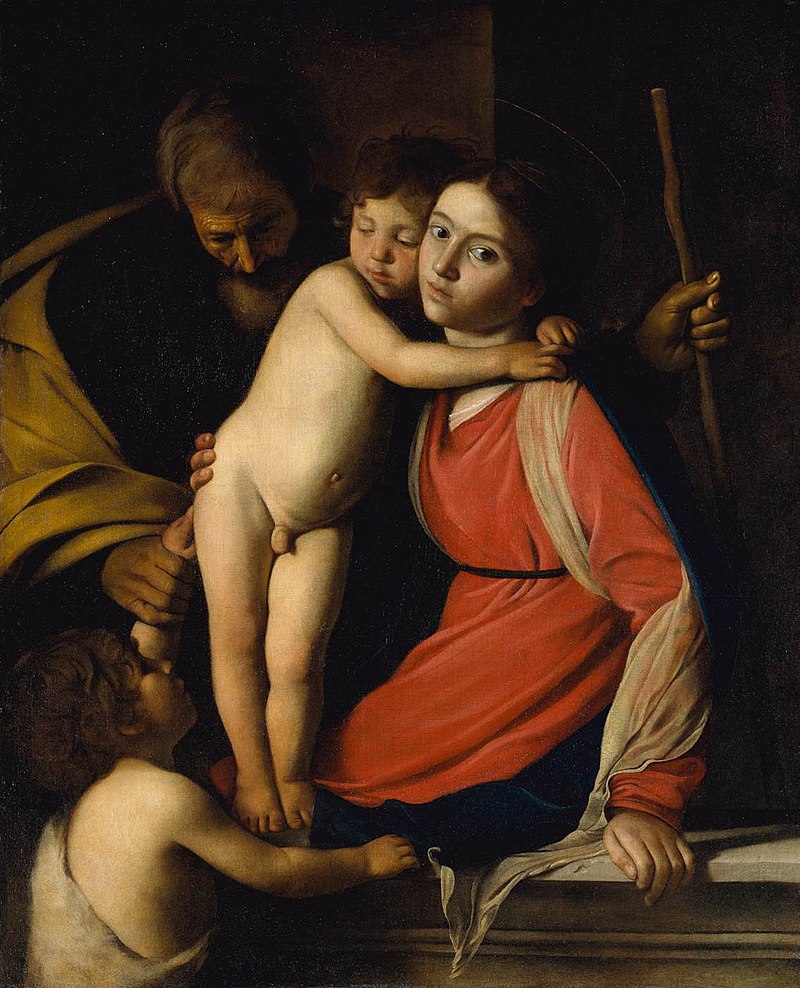
The Holy Family with the Infant St. John the Baptist
The Holy Family with the Infant St. John the Baptist (c.1600) Caravaggio. The attribution to Caravaggio is not universally agreed upon by Caravaggio scholars. However, The Met attributes it to Caravaggio and I’m not in a position to argue. It is disappointing that there is very little written about the piece on the Met’s website…