Category: Location
-
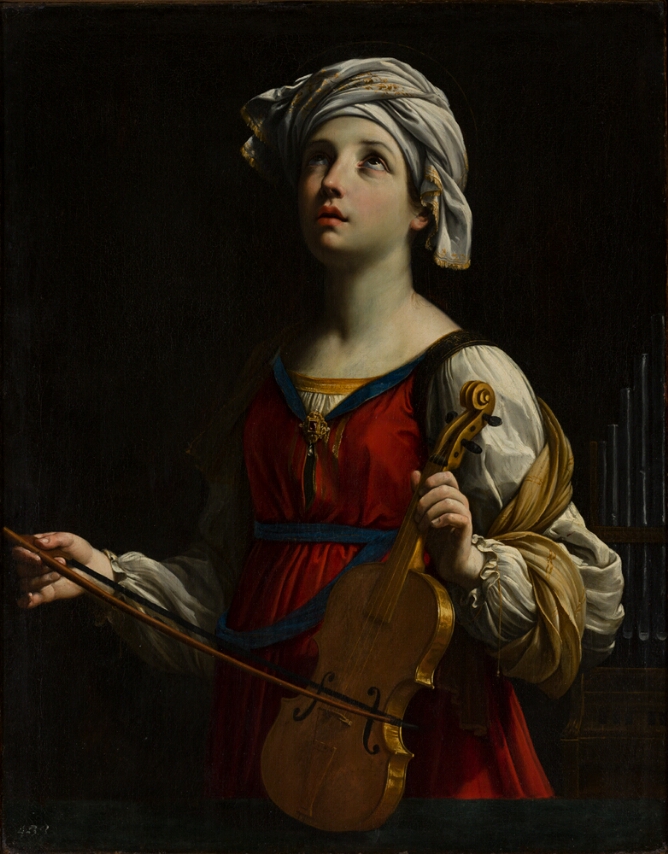
St. Cecilia
St. Cecilia (1606), Guido Reni. November 22nd is the feast day St. Cecilia, Virgin and Martyr.According to early Church tradition, St. Cecilia was born to wealthy pagan parents in Rome in the 3rd century. She dedicated her life to Christ and to serving the poor, fully aware that her faith could cost her her life.…
-
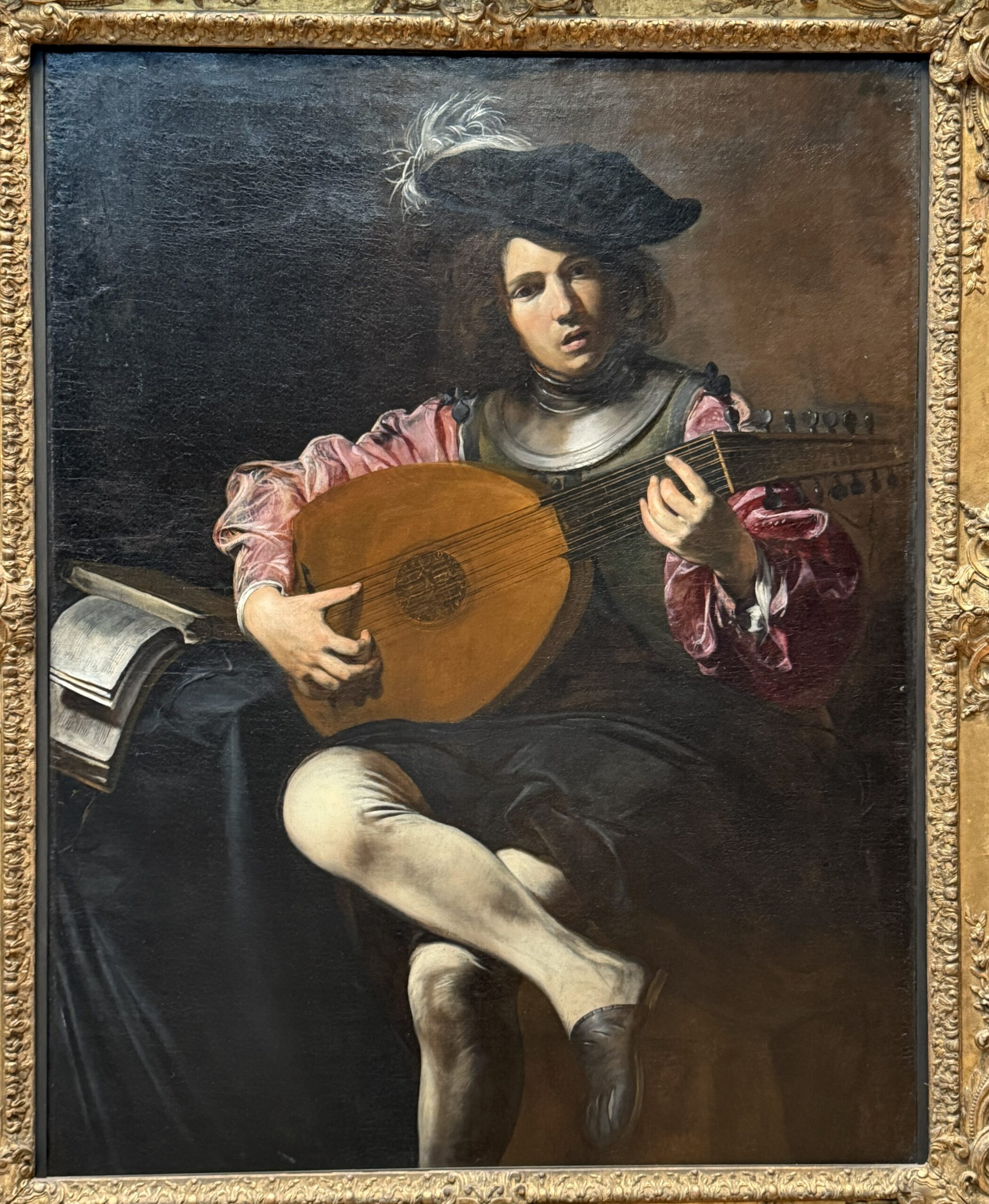
Lute Player
Lute Player (c1625) Valentin de Boulogne. A finely dressed solider plays the Lute for us. From the Met’s Catalogue entry: Together with Jusepe de Ribera, Valentin de Boulogne was the greatest exponent of Caravaggism in Rome, where he spent virtually his entire career, establishing a reputation among collectors for his paintings of gamblers, fortune tellers,…
-
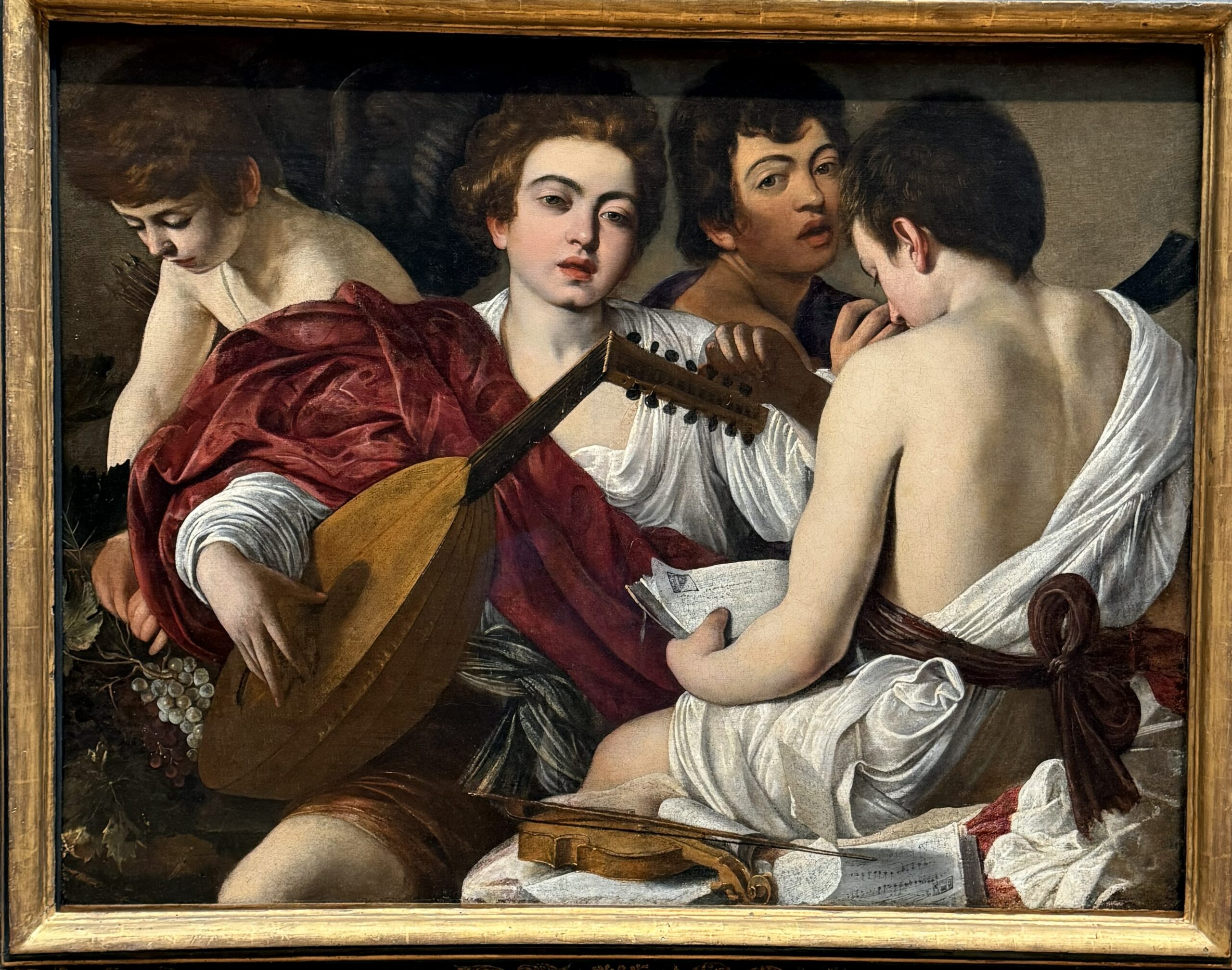
The Musicians
The Musicians (c.1597) Caravaggio. On the surface, we seem to be interrupting three musicians in a cramped room, warming up before a performance. Beside them, a young Cupid divides a bunch of grapes, perhaps to share as a pre-concert snack. Painted for Cardinal Del Monte, a devoted patron and lover of the arts, the scene…
-
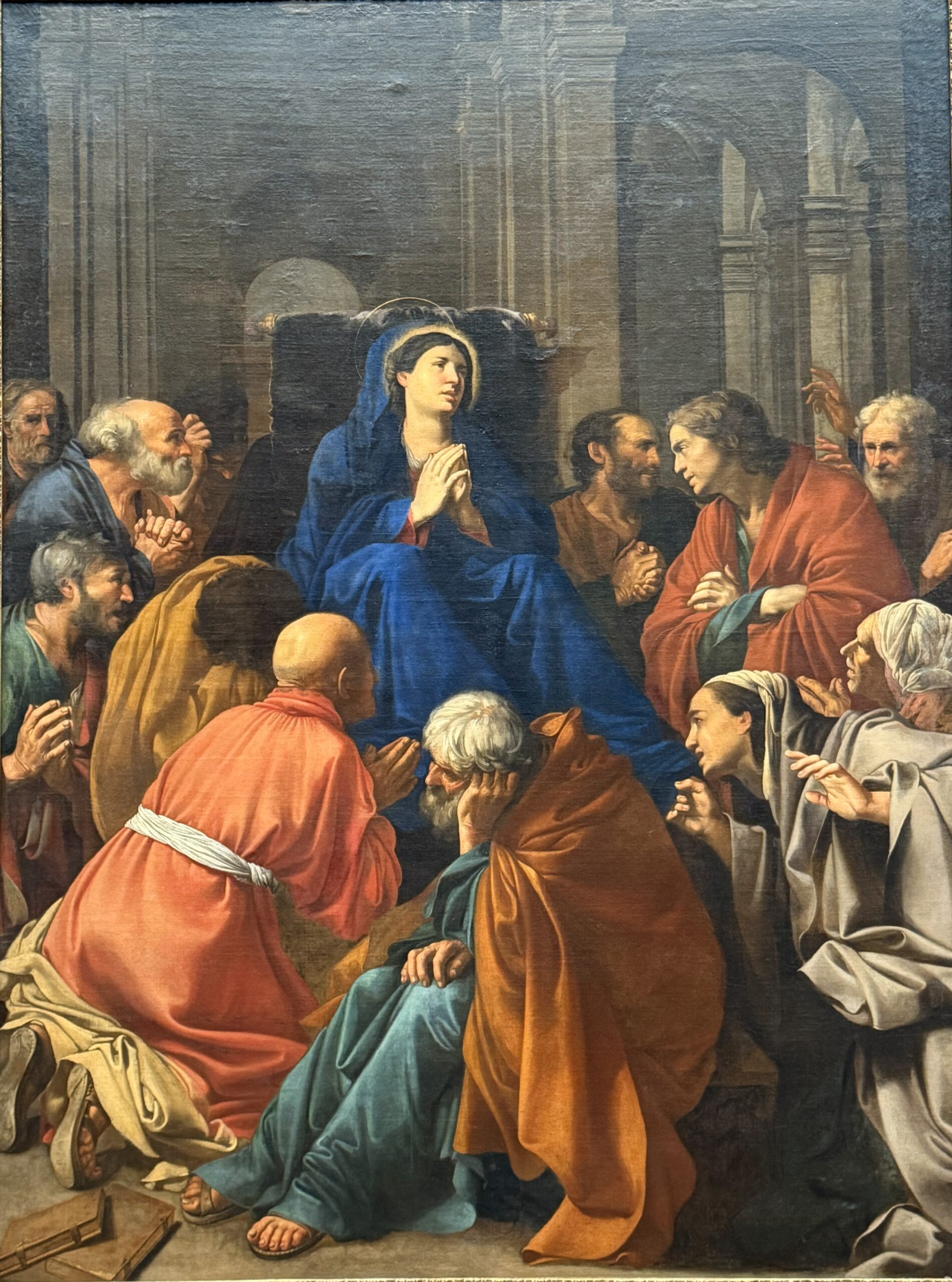
Dormition of the Virgin
Dormition of the Virgin (c1612) Carlo Saraceni. After the Carmelites rejected Caravaggio’s intensely realistic take on the Dormition of the Virgin, Saraceni was commissioned to create a new version. His interpretation draws on Northern Italian influences, with a Renaissance-inspired color palette and carefully arranged figures. Yet the work remains grounded in naturalism and in its…
-
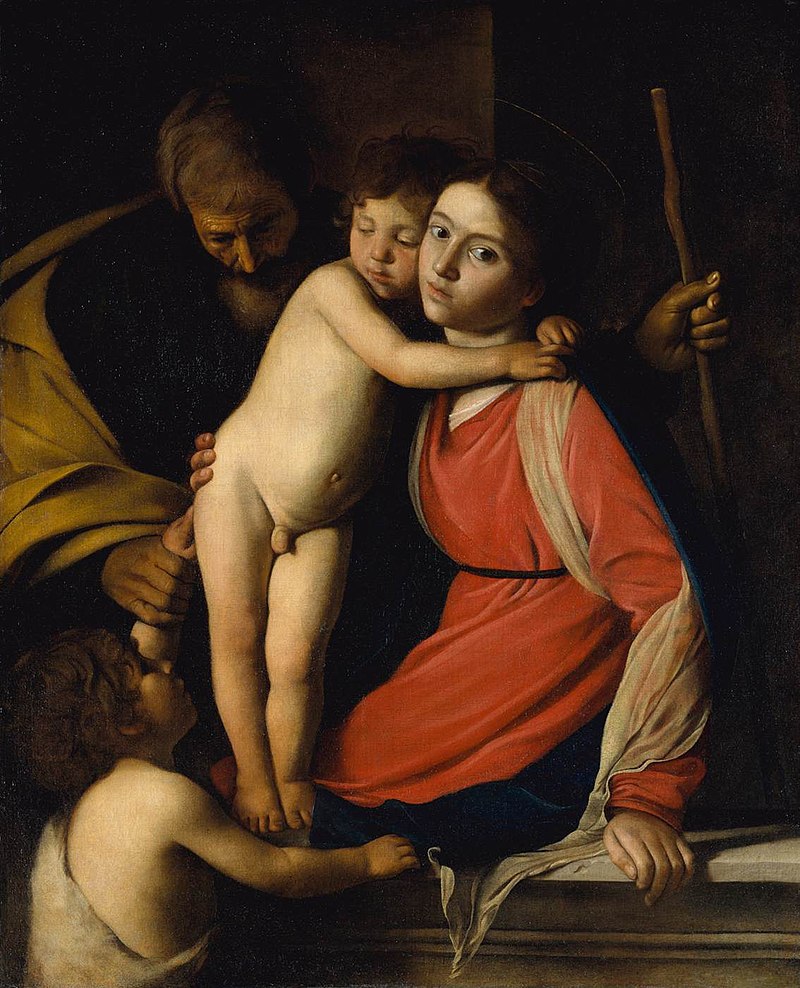
The Holy Family with the Infant St. John the Baptist
The Holy Family with the Infant St. John the Baptist (c.1600) Caravaggio. The attribution to Caravaggio is not universally agreed upon by Caravaggio scholars. However, The Met attributes it to Caravaggio and I’m not in a position to argue. It is disappointing that there is very little written about the piece on the Met’s website…
-
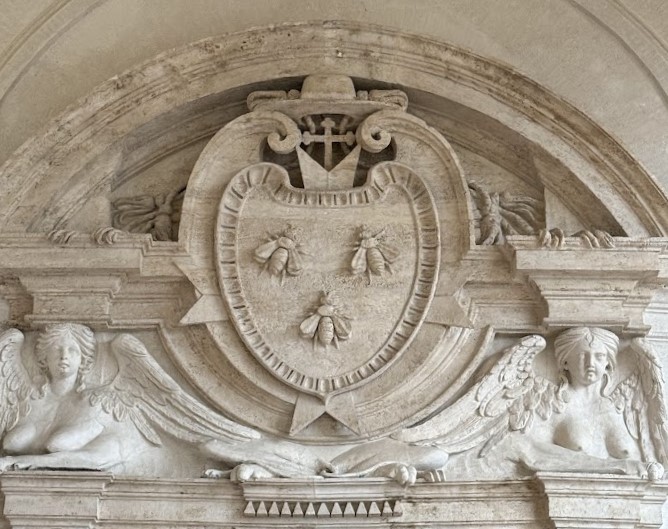
The Galleria Nazionale d’Arte Antica at Palazzo Barberini
Overview The Galleria Nazionale d’Arte Antica at Palazzo Barberini in Rome is a treasure trove of art from the 13th to the 18th centuries. Housed in a stunning Baroque palace designed by Carlo Maderno, Gian Lorenzo Bernini, and Francesco Borromini, the gallery showcases masterpieces by artists like Caravaggio, Raphael, and Titian. Originally the Barberini family’s…
-
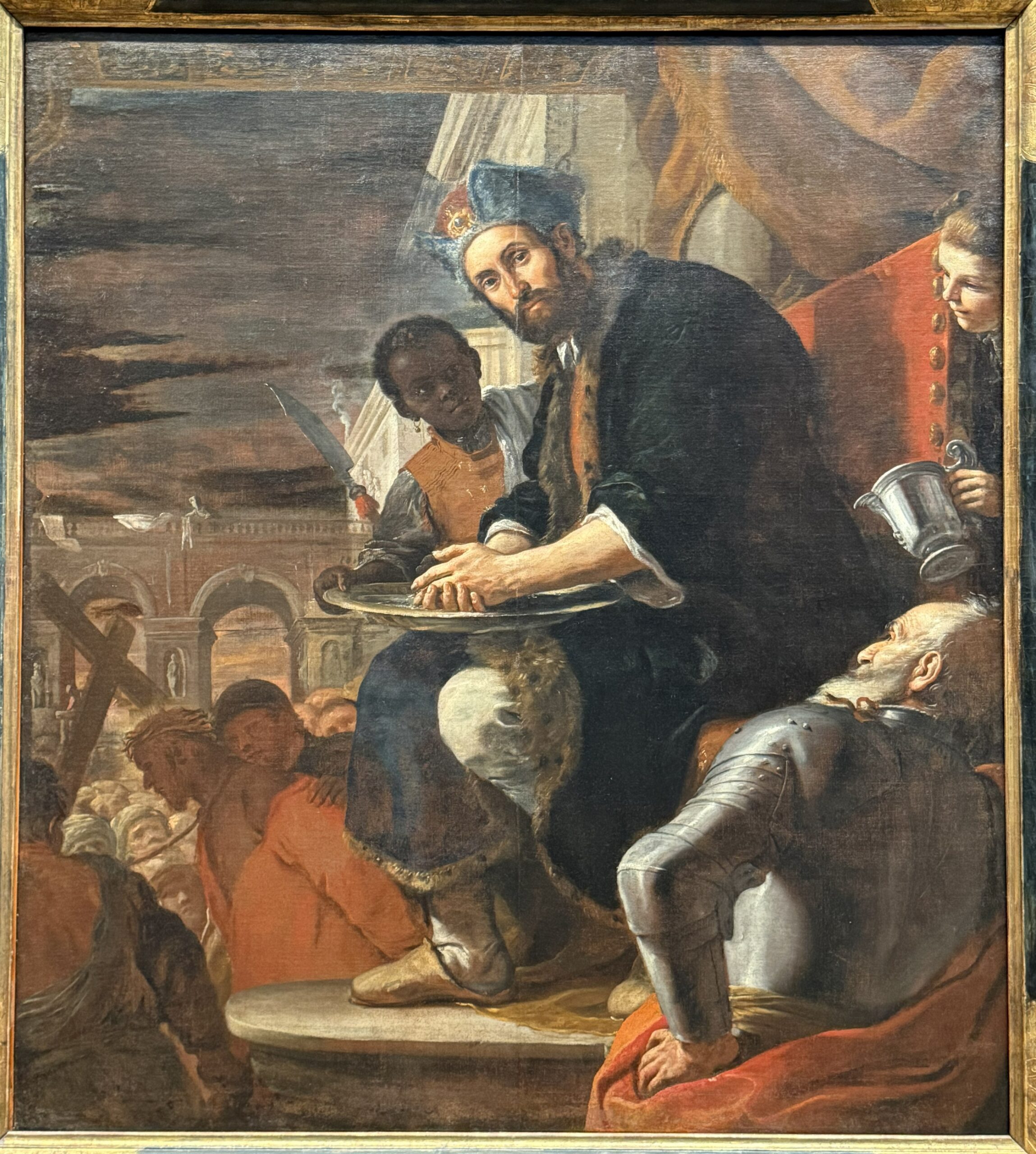
Pilot Washing his Hands
Pilot Washing his Hands (1643) Mattia Preti. Here we encounter Pilate, who is looking directly at us, washing his hands as Jesus is being led away in the background. Pilate knows Jesus is innocent and he attempted to get the crowd to release Jesus, but they did not. He is washing is hands to show…
-

The Vocation of Saint Aloysius Gonzaga
The Vocation of Saint Aloysius Gonzaga (c.1650) Guercino. This beautiful painting captures young Aloysius Gonzaga turned away from wealth and privilege to follow his calling to serve God. Guercino’s use of light and emotion brings to life the saint’s purity and devotion. You can see the angel crowning Aloysius with a wreath crown while his…
-

St. Leo the Great with Attila
Meeting of St. Leo the Great with Attila (1653) by Alessandro Algardi. November 10th is St. Leo the Great’s Feast Day, and what better way to celebrate than with this magnificent marble relief? The work depicts St. Leo the Great (left) confronting King Attila the Hun, persuading him to turn back from his invasion of…
-

Death of Cleopatra
Death of Cleopatra (c.1645) Guido Cagnacci. This theatrical and erotic depiction of Cleopatra’s suicide is on brand for the Northern Italian painter. It is easy to envision this painting taking place on a stage where the heroine is so distraught from the defeat of Mark Antony that she feels her only course of action is…