Category: The Art Institute of Chicago
-
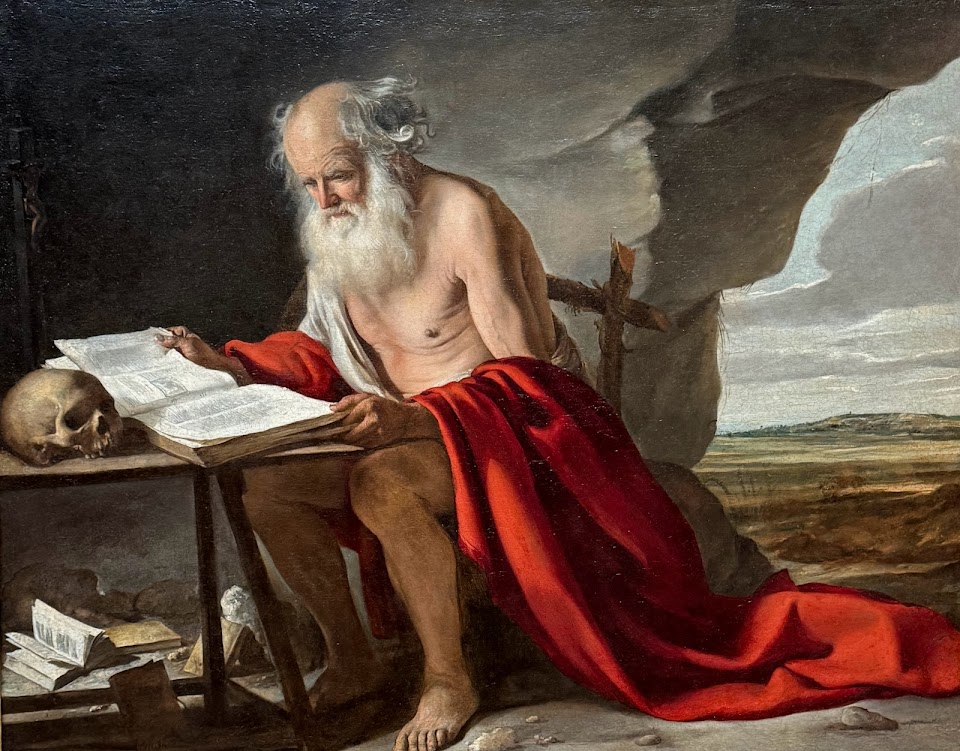
Feast of St. Jerome
St.Jerome (c.1642) LeNain Brothers. The Catholic church celebrates September 30th as the feast day of St. Jerome, priest and Doctor of the Church. St. Jerome was a 4th-century priest, theologian, and Doctor of the Church, best known for his translation of the Bible into Latin, known as the Vulgate. Born around 347 in Stridon (in…
-
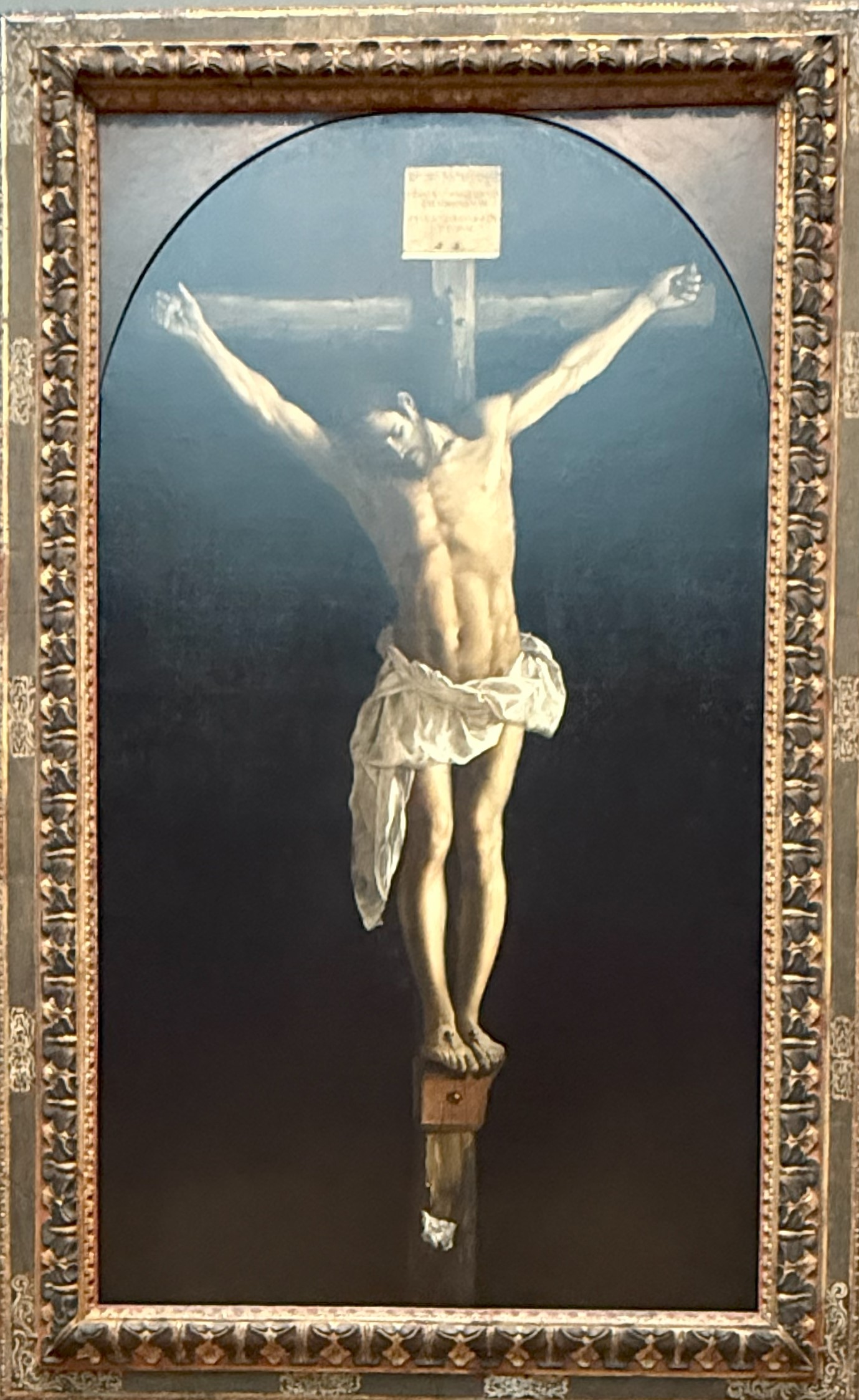
The Crucifixion
“The Crucifixion” (1627) by Francisco de Zurbarán. The black background and amazing detail on Jesus’ body and loin cloth make this painting feel three dimensional. It is unknown if Zurbaran ever saw Caravaggio’s paintings, but looking at this piece, it is hard to believe he had not.
-
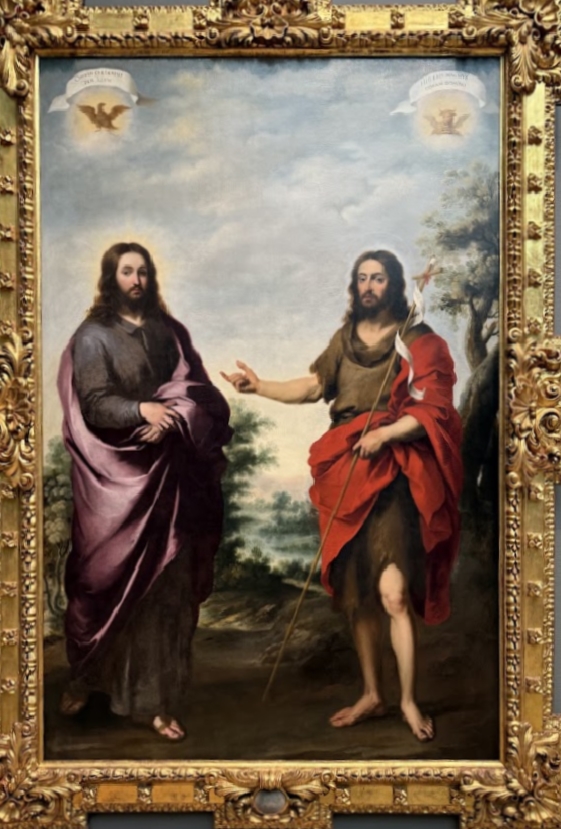
Behold the Lamb of God
Estaban Murillo Ecce Agnes Dei (c.1655) “Behold the Lamb of God” depicts adult John the Baptist and Jesus together. John the Baptist has his traditional iconography of being barefoot with camel skin clothing, staff with cross and red cloak as well as gesturing toward Jesus. Jesus is standing humbly with his purple cloak. It is…
-

Saint John the Baptist in the Wilderness
“Saint John the Baptist in the Wilderness” (c. 1622) by Diego Velázquez. Velázquez is the most famous painter of the Spanish Golden Age and strongly influenced impressionism and realism in the 19th century.Growing up in Seville, Velazquez had not seen Caravaggio’s paintings first hand at the time he painted this piece. It is thought he…
-

Saint Romanus of Antioch and Saint Barulas
Francisco de Zurbarán’s “Saint Romanus of Antioch and Saint Barulas” (1638) depicts the martyr St. Romanus holding his tongue, which his tormentors cut out, while holding a book open to a page that begs God for intercession on behalf of the faithful. Looking up at him is 7 year old St. Barulas who was also…
-

Cupid Chastised
Bartolomeo Manfredi’s “Cupid Chastised” (1613). This painting depicts a scene of Mars beating Cupid while Venus tries in vain to stop him. Mars is punishing Cupid for having caused his affair with Venus. Observe Mars’ physicality and dominance, and contrast with Cupid’s vulnerability and submissiveness. This painting is so Caravaggesque that when the Art Institute…
-

Ecstasy of St. Francis
Giovanni Baglione’s “Ecstasy of St. Francis.” (1601). In this painting we see St. Francis reaching a state of ecstasy after deep meditation on Jesus’ cross and crown of thorns. Luckily for St. Francis, an angel catches him as he falls backward. Baglione portrays this moment in time with the expression of spiritual rapture on St. Francis’s…
-

Penitent St. Peter
“Penitent St. Peter” (c.1628) by Jusepe de Ribera. This piece truly captures Saint Peter’s intense sorrow and penitence through his detailed facial expression and teary eyes. Ribera’s masterful use of light and shadow draws attention to the saint’s face and hands, creating a dramatic contrast with the dark background. Pay attention to the symbolic elements,…
-

Baroque Art in Chicago at the Art Institute of Chicago
Overview The Art Institute of Chicago is world renowned for having many masterpieces. Unfortunately, it is not currently home to a painting by Caravaggio. However, the Art Institute now boasts a painting by each of the 4 most famous Spanish Baroque artists (aka “Spanish Golden Age” of Painting). This itinerary will show you those Baroque…
-

Easter Sunday
This Easter Sunday, we look at one of the BAAC’s favorite depictions of the resurrected Christ. In room 211 at the @artinstitutechi you will see this massive and powerful painting. The Resurrection” (c. 1619-1620) by Francesco Buoneri aka Cecco del Caravaggio was commissioned for a family chapel in Florence. The painting was rejected by the family and…